Most local businesses already get some customers through word of mouth — a happy client mentions you to a neighbor, a coworker asks where you got your kitchen redone. Referral marketing simply takes that natural behavior and gives it a nudge and a structure, so it happens more often instead of only by chance.
This guide walks through what a referral program actually is, how to set one up in a weekend without expensive software, and the mistakes that quietly kill most local referral efforts before they get going.

Quick Answer
To start referral marketing for a local business, pick one simple incentive (a discount, credit, or small reward) for both the referring customer and the new customer, ask for referrals at the moment a customer is happiest (right after a good service or purchase), and make the ask as easy as handing over a card, a link, or a QR code. Track who referred whom so you can follow up and pay out rewards reliably.
Why Referral Marketing Works for Local Businesses
A recommendation from a friend or neighbor carries more trust than an ad, and local businesses have an advantage most national brands don’t: your customers actually run into the people they’d refer you to. The people in your area shop at the same grocery store, sit in the same waiting rooms, and see each other at kids’ sports games.
Referral marketing doesn’t replace other marketing — it works alongside reviews, social media, and local search. Its job is narrower and more reliable: turning existing happy customers into a steady, low-cost source of new leads who already trust you before they walk in the door.
How to Set Up a Referral Program: Step by Step
Start by setting one clear goal, such as a target number of new customers per month, so you can tell later whether the program is working. Then map out your customer journey and pick the single best moment to ask — usually right after a job is finished, a purchase is picked up, or a customer leaves a glowing comment, not weeks later in a generic email blast.
Choose an incentive that’s relevant and easy to fulfill. A double-sided reward — something for both the person referring and the new customer they bring in — tends to work well for local businesses because it removes hesitation on both sides: the new customer gets a reason to try you, and the existing customer doesn’t feel like they’re asking a friend for a favor with nothing in return. Common local options include a percentage or dollar-amount discount on a future purchase, an account credit, a free add-on service, or a gift card.
Make participating effortless. Give customers a simple, low-friction way to refer you — a referral card to hand out, a short link they can text, a QR code on a receipt or at checkout, or a line added to your follow-up email or text after service. The fewer steps between ‘I liked this business’ and ‘here’s how you tell someone,’ the more referrals you’ll get.
Promote the program where your customers already look: on your receipt, in a thank-you email or text, on a sign near the register, and on your social media profiles. Then track referrals with something as simple as a shared spreadsheet, a unique code or link per customer, or referral-tracking features built into review or CRM tools you may already use — the goal is just to know who referred whom so you can say thank you and pay out the reward promptly.
Tips and Common Mistakes
Ask at the right moment. The best time to request a referral is right after you’ve delivered a good experience — not months later out of the blue. Build the ask into your existing workflow (end of a service call, pickup, or checkout) instead of relying on remembering to do it.
Don’t make the reward so small it feels like an afterthought, and don’t make it so large it eats your margin — a modest, relevant reward tied to what you sell usually performs better than an unrelated giveaway.
Avoid overcomplicating tracking. A dedicated referral platform can help once volume grows, but a shared spreadsheet, unique discount codes per customer, or a simple ‘who referred you?’ question at checkout is enough to start.
Keep the ask low-pressure. Frame it as ‘if you know anyone who could use this, here’s an easy way to send them our way’ rather than a hard sell — customers refer people because they genuinely think it’ll help, not because they were pressured.
Follow up and pay out rewards quickly and visibly. Nothing kills a referral program faster than customers feeling like their referral was ignored or the reward never showed up.
Explore more: More referral marketing basics.
Referral Marketing for Local Businesses FAQs
What is referral marketing?
Referral marketing is the practice of encouraging existing customers to recommend your business to friends, family, or colleagues, usually with a small structured incentive to make the recommendation more likely and easier to track.
Do I need software to run a referral program?
No. Many local businesses start with a simple system — a referral card, a discount code per customer, or a spreadsheet — before investing in dedicated referral or loyalty software once volume justifies it.
What’s a good referral incentive for a small business?
A double-sided incentive tends to work best: a discount, credit, or free add-on for the customer who refers, and a similar offer for the new customer they bring in. The reward should be relevant to what you sell and modest enough to protect your margins.
When should I ask a customer for a referral?
Ask right after a positive experience, such as right after a service is completed, a purchase is picked up, or a customer leaves a good review — that’s when goodwill is highest and the ask feels natural.
Turn Customers Into Your Growth Engine
Launch a referral program that turns happy customers into your best growth channel — with ReferralEarl. Try ReferralEarl.
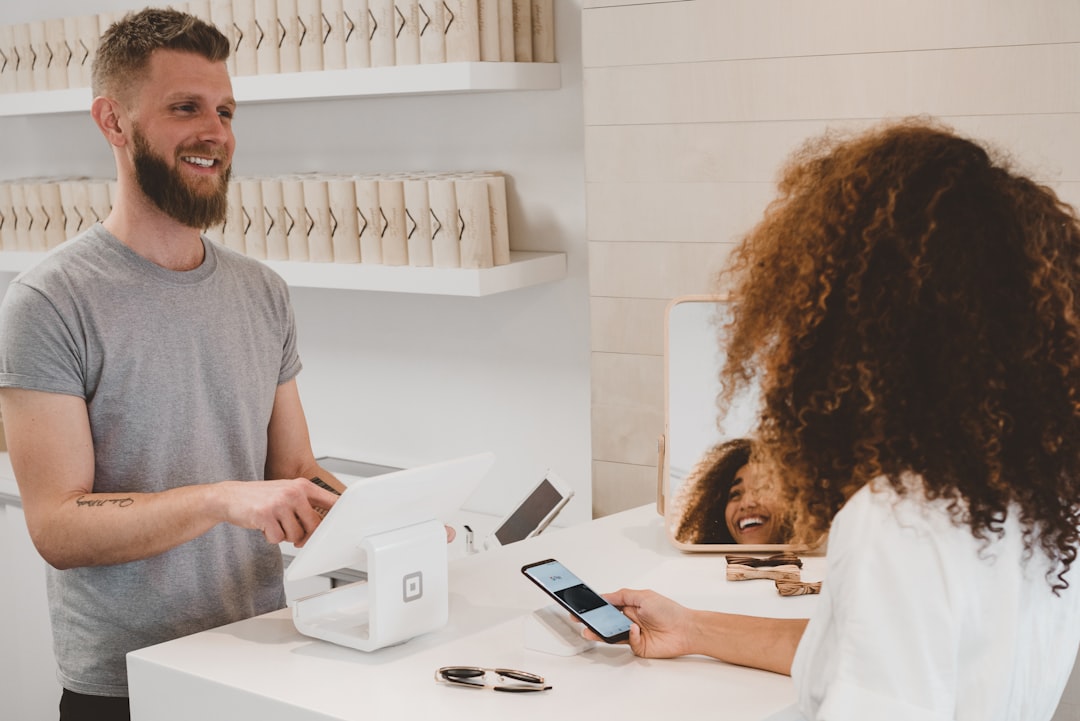
Photo by Blake Wisz on Unsplash.