If you’re trying to grow through word of mouth, you’ll quickly run into two similar-sounding options: brand ambassador programs and referral programs. Both turn happy customers (or fans) into promoters, and both can feel interchangeable from the outside — which is exactly why the terms get mixed up so often.
They’re not the same thing, though, and picking the wrong one can waste months of effort. This guide breaks down what actually separates a brand ambassador program from a referral program, how each one works in practice, and how to decide which fits your business right now.
Quick Answer
A referral program rewards any customer for a specific, trackable action — usually getting a friend to sign up or make a purchase — and is open to everyone with no application required. A brand ambassador program recruits a smaller, curated group of advocates who represent the brand on an ongoing basis, doing more than just referring: creating content, attending events, giving feedback, and building a long-term relationship with the company in exchange for compensation, perks, or status.
How Referral Programs Work
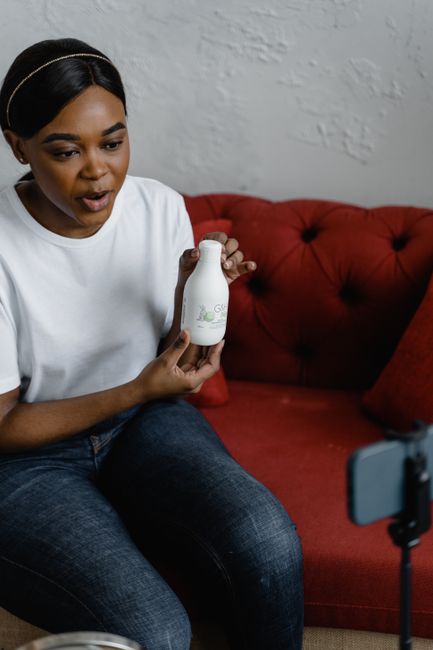
A referral program is transactional and self-serve. Any existing customer gets a unique referral link or code, shares it with friends or family, and earns a reward — cash, credit, a discount, or a free month — when that referral converts. There’s typically no vetting process: if you’re a customer, you’re eligible.
The relationship is short and action-based. Someone might refer once and never engage with the program again, and that’s fine — the program is built around single, measurable actions (sign-ups, purchases, trial starts) rather than an ongoing partnership. Referral programs are usually run through dedicated software that generates tracking links, attributes conversions, and automates reward payouts, which is why they scale easily to thousands of participants with minimal manual management.
Because the bar to join is low and the ask is simple (‘share this link’), referral programs work best when you already have a base of satisfied customers and want to turn everyday word of mouth into something trackable and rewarded.
How Brand Ambassador Programs Work
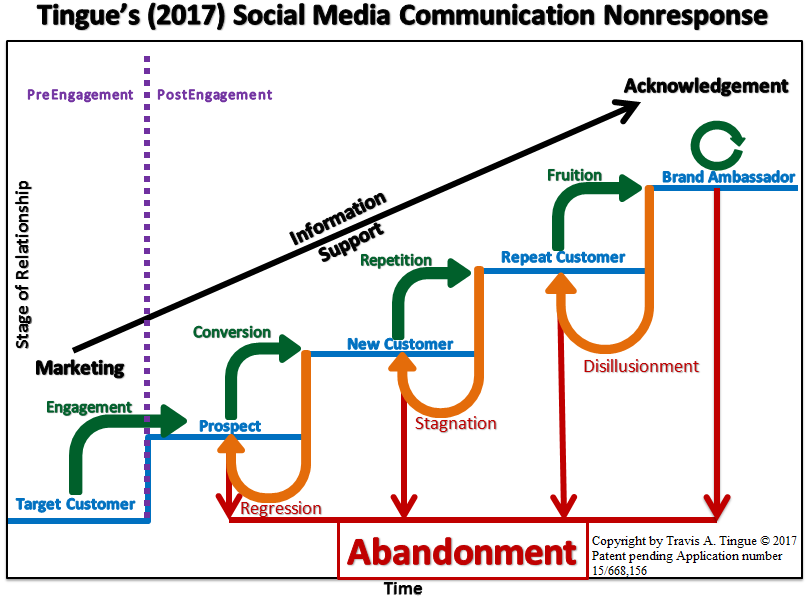
A brand ambassador program is relational and curated. Instead of opening the door to every customer, a brand recruits (or invites) a specific group of people — power users, superfans, influencers, or employees — to represent the company over weeks or months, not for a single action.
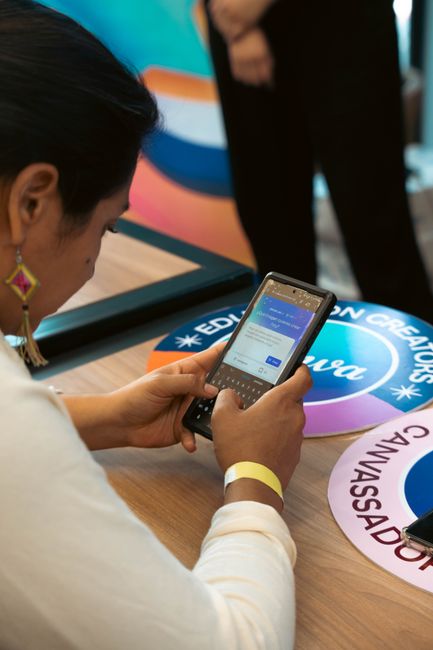
Ambassadors typically do more than refer. Depending on the program, they might post content on social media, review products, give product feedback, host or attend events, moderate community spaces, or evangelize the brand in their own networks. Because the commitment is bigger, so is the relationship: many programs include onboarding, brand guidelines, a private community, status tiers, and regular communication, not just a link and a payout.
Compensation also tends to be broader than a flat referral reward. Ambassadors are often compensated through some mix of free products, discounts, commissions on sales they drive, flat fees, or retainers, depending on their reach and the depth of the commitment — and top-performing or high-follower ambassadors can negotiate meaningfully higher rates than an average customer would ever earn from a simple referral bonus.
Tips / Common Mistakes
Don’t treat ‘brand ambassador’ as just a fancier name for your referral program — if all you’re tracking is referred sign-ups, you have a referral program, and calling it an ambassador program without adding real relationship-building (community, recognition, varied ways to contribute) will disappoint the people you recruit.
Match the program to your goal: use a referral program when you want low-friction, scalable, trackable growth from your existing customer base. Use a brand ambassador program when you want deeper brand advocacy, content, and visibility from a smaller group willing to invest more time.
Many growing businesses eventually run both — a referral program open to all customers for straightforward sign-up rewards, and a smaller ambassador program for the most engaged fans who want a deeper relationship with the brand. They complement each other rather than compete.
Whichever you choose, be explicit about what you’re asking for and what the reward is. Vague expectations (‘just spread the word!’) are the top reason both program types underperform — ambassadors need clear deliverables, and referrers need a clear, easy-to-share link and a reward that’s worth the effort.
Explore more: Explore more Referral Basics guides.
Brand Ambassador vs. Referral Program FAQs
Can a referral program turn into a brand ambassador program?
Yes. A common path is to start with an open referral program, then invite your most active or highest-converting referrers into a smaller, more involved ambassador tier with added perks and responsibilities.
Do brand ambassadors get paid more than referral participants?
Often, yes, because they’re expected to do more — ongoing content, events, or community involvement — rather than a single referred sign-up. Pay varies widely by brand and can include free product, commissions, flat fees, or a retainer instead of (or on top of) a one-time reward.
Which is easier to set up, a referral program or an ambassador program?
Referral programs are generally easier and faster to launch since they run on self-serve software with automated tracking and payouts. Ambassador programs take more setup because they involve recruiting, vetting, onboarding, and ongoing relationship management.
Is an affiliate program the same as a brand ambassador program?
No, though they overlap. Affiliate programs are typically commission-based and open to a broader group focused mainly on driving sales, while ambassador programs emphasize an ongoing brand relationship that can include content creation and community involvement beyond just selling.
Turn Customers Into Your Growth Engine
Launch a referral program that turns happy customers into your best growth channel — with ReferralEarl. Try ReferralEarl.
Photo: Ttingue Travis Tingue / CC BY-SA 4.0, via Wikimedia Commons.
Related: How to Build a Brand Ambassador Program From Scratch