Every business starts at zero. The problem is that most marketing advice assumes you already have a customer list, a budget for ads, or a following to activate — none of which exist on day one. When you’re starting from nothing, the goal isn’t to run a marketing plan, it’s to manufacture your first proof that anyone will pay you at all.
This guide walks through the free and near-free tactics that actually work for brand-new businesses: claiming the listings that bring in local searchers, showing up where your buyers already gather, and turning your first handful of customers into a referral engine before you spend a dollar on ads.
Quick Answer
With no budget, focus on channels that cost time instead of money: a complete Google Business Profile, direct outreach to your warmest contacts, active participation in niche online communities where your buyers already hang out, and a simple referral ask built into every sale from customer number one. Skip paid ads entirely until you have proof — a handful of real customers and a repeatable offer — that a channel converts.
Get Your First 10 Customers Without Spending Anything
Start with people, not platforms. Make a list of everyone who might plausibly need what you sell — past coworkers, neighbors, people in local Facebook groups, people you follow on LinkedIn — and message them individually. A personal message asking for feedback or a first try converts far better than any public post, because it’s specific and it’s from a real person.
If you have any kind of local footprint, claim and fully fill out a free Google Business Profile at business.google.com — add your exact category, hours, service area or address, photos, and a description, since a complete, active profile is what shows up when people search for what you do nearby. Do the same with any free directory relevant to your industry (Yelp, industry-specific marketplaces, Nextdoor for local services).
If you sell a product or service that fits an existing marketplace — Etsy, Fiverr, Upwork, Facebook Marketplace, or a niche platform for your category — list there too. These platforms already have buyers actively searching; you’re borrowing their traffic instead of building your own audience from scratch.
Post consistently where your buyers already spend time: relevant subreddits, Facebook or LinkedIn groups, Discord servers, or local community pages. Contribute genuinely useful answers before you ever mention your business, then mention it only when it’s actually relevant — communities tolerate helpful members who occasionally sell something far more than they tolerate cold pitches.
Turn Your First Customers Into a Referral Engine
Referrals are the highest-leverage channel for a business with no marketing budget because they cost nothing but a conversation and they come pre-qualified — someone already vouched for you. Don’t wait until you have a formal program: after every sale, simply ask happy customers if they know one or two people who’d benefit from what you offer, and make it effortless by giving them a specific link, code, or even just a short message they can forward.
Once you have a few referrals coming in, add a small incentive — a discount, a free add-on, or a gift card — to make asking feel like a two-way exchange rather than a favor. You don’t need referral software at this stage; a spreadsheet and a personal follow-up message will outperform an automated system with no customers behind it.
In parallel, ask every satisfied customer for a short review on Google or whatever platform your buyers check before purchasing. Reviews do double duty: they build trust for the next stranger who finds you, and the act of asking often reminds customers to think of someone to refer.

Free Tools and Channels Worth Your Time
Content marketing is free if you have time instead of money: answer the exact questions your future customers are searching for, whether that’s a blog post, a short video, or a series of social posts. It compounds slowly, so start now even if you won’t see traffic for weeks.
Canva’s free tier covers a logo, social graphics, and basic brand assets without hiring a designer. For visibility beyond your own channels, look at reporter-request services like Featured (which relaunched the long-running HARO service as a free, email-based way to pitch journalists your expertise) — a single quote in a relevant article can bring in both credibility and a backlink.
Look for one or two complementary, non-competing local businesses to cross-promote with — a joint social post, a shared flyer, or simply recommending each other’s customers back and forth costs nothing and reaches an audience that already trusts the referring business.
Tips and Common Mistakes
Don’t spread yourself across every platform at once — pick the one or two channels where your specific buyers actually spend time and go deep before adding more. Consistency on one channel beats a scattered presence everywhere.
Avoid buying followers, fake reviews, or bulk email lists — they don’t convert and can get your accounts penalized or banned, which sets you back further than starting with nothing. Similarly, resist the urge to run paid ads before you’ve validated your offer with organic traffic; ads amplify what’s already working, they don’t fix an unproven pitch.
Track where your first customers actually came from, even informally, so you know which free channel to double down on once you do have a little budget. And don’t skip the ask — the single biggest missed opportunity for new businesses is doing good work for a customer and never asking them for a review or a referral.
Explore more: more marketing strategies for small businesses.
Marketing a brand-new business with no money FAQs
What’s the very first thing I should do to market a business with zero budget?
Message people you already know directly and ask them to try what you’re offering or refer someone who needs it — personal outreach converts better than any public post and costs nothing but time.
Is a Google Business Profile really free?
Yes. Creating, verifying, and managing a Google Business Profile at business.google.com has no cost, and it’s one of the highest-impact things a local or service-based business can do before spending on ads.
How do I get referrals if I don’t have any customers yet?
Start with your very first customer. After you deliver a good result, simply ask them if they know one or two people who’d benefit, and make it easy by giving them something specific to forward — a link, a code, or a short message.
When should I start paying for ads?
Only after organic channels have proven that your offer converts — once you know your message, price, and audience work, paid ads amplify that proof instead of masking an unvalidated pitch.
Turn Customers Into Your Growth Engine
Launch a referral program that turns happy customers into your best growth channel — with ReferralEarl. Try ReferralEarl.
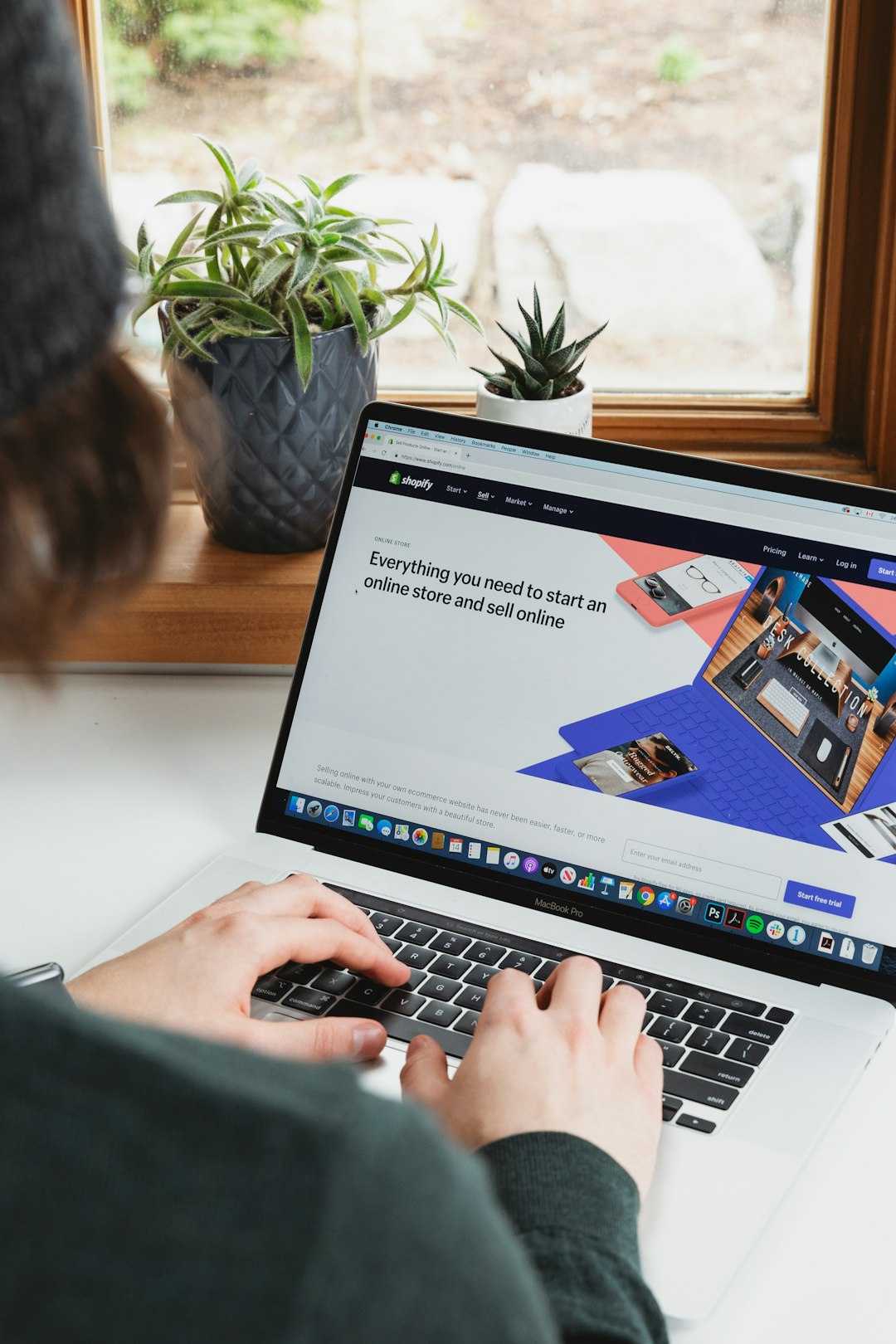
Photo by Roberto Cortese on Unsplash.