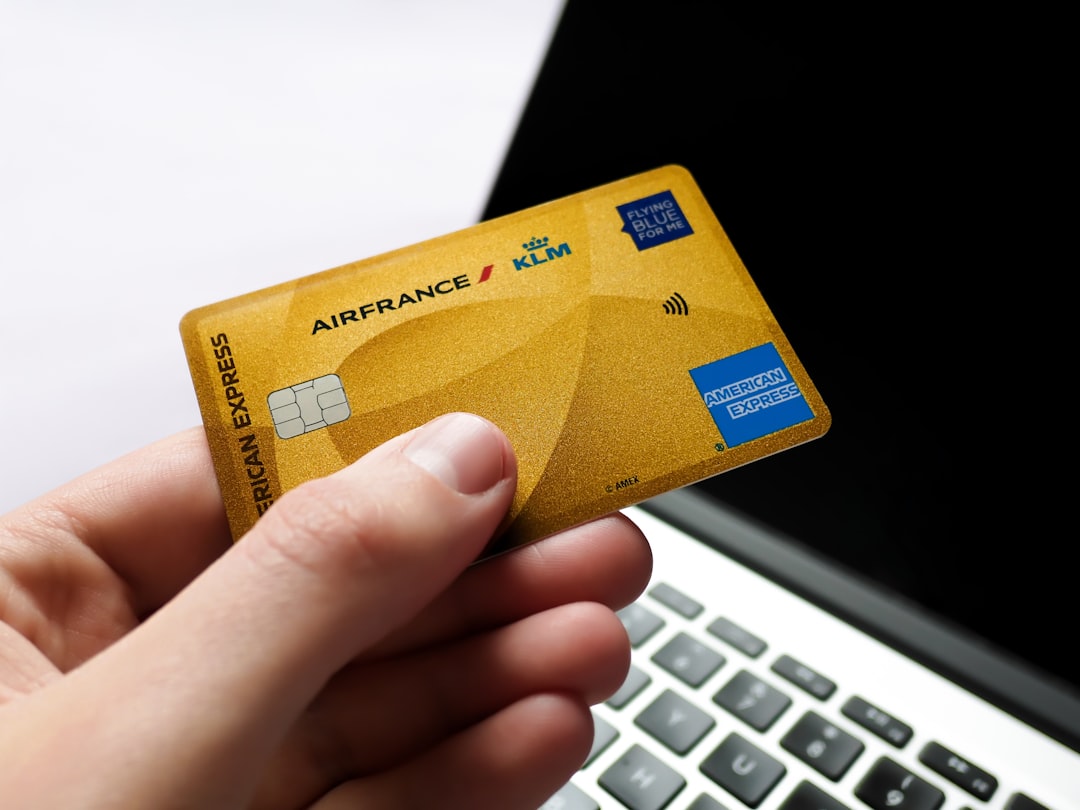
An expiration date on loyalty points can feel like a betrayal to customers who forgot to redeem them — and like a necessary liability control to the finance team watching outstanding points pile up on the balance sheet. The trick is designing a policy that does both jobs: it keeps the loyalty ledger manageable while still feeling fair to the people earning the points.
This guide walks through the expiration models businesses actually use, the communication habits that keep expiring points from becoming a source of complaints, and the legal wrinkles worth checking before you finalize a policy.
Quick Answer
The least frustrating approach is a rolling or inactivity-based expiration (points lapse only after a stretch of account inactivity, commonly 12-24 months, rather than on a fixed calendar date), paired with automated reminders before points expire and an easy way to keep an account active. Always confirm expiration is legal for loyalty points in the regions you operate in — the rules differ from gift card law.
Choose an Expiration Model
Fixed-date expiration wipes all points on the same date each year (e.g., December 31), which is simple to administer but hits customers unevenly — someone who earned points in November loses them almost immediately, while someone who earned in January gets a full year.
Rolling (per-transaction) expiration sets each batch of points to expire a fixed number of months after it was earned, often 12 to 24 months out. It’s fairer than a fixed date because every customer gets the same runway, but it takes more sophisticated tracking since a single account can hold points with different expiration dates.
Inactivity-based expiration only expires points if the customer hasn’t earned or redeemed anything for a defined period, commonly a year. This is the most forgiving model for engaged customers — points effectively never expire as long as the account stays active — and it’s also the model several jurisdictions require or favor over calendar-based expiry.
Many programs land on a hybrid: points expire after a period of inactivity, but never sooner than a minimum window (say, 12 months) from when they were earned, so no one loses points they just received.
Communicate Before Points Disappear
Publish the policy in plain language on a dedicated loyalty FAQ or program page, not buried in fine print — state the expiration window, what counts as ‘activity,’ and how to check a balance.
Show the expiration date (or the earliest one, for rolling programs) directly in the customer’s account dashboard and app, so nobody has to ask.
Send at least one reminder email or push notification before points lapse — 30 to 60 days out is a common window, with a second nudge closer to the deadline for larger balances. Reminders that suggest specific rewards the customer can redeem with their expiring points convert far better than a generic warning.
Give a small grace period or a one-click way to ‘re-earn’ active status (a single purchase, login, or point redemption) so an accidental lapse doesn’t feel punitive.
Consider exempting or downgrading, rather than fully zeroing out, top-tier or VIP members — losing status often stings more than losing points, and a softer landing preserves goodwill.
Tips / Common Mistakes
Don’t set the expiration window shorter than customers can realistically earn enough points for a meaningful reward — if your average customer needs 8 months to earn a redeemable amount, a 6-month expiry guarantees frustration.
Don’t change an existing policy retroactively without notice; grandfather already-earned points under the old terms or give a clearly communicated transition period.
Don’t rely on a single email as your only warning — spam filters and inactive inboxes mean some customers won’t see it; pair email with in-app or SMS reminders where possible.
Check local law before finalizing anything. In the U.S., the federal CARD Act generally prevents most gift cards from expiring within five years, but loyalty and promotional points are typically treated differently and are often exempt from that protection, so state-level rules matter more. In Quebec, Canada, amendments to the Consumer Protection Act prohibit loyalty points from expiring by the simple passage of time — they can only expire due to at least a year of account inactivity, and only after the merchant sends a notice 30 to 60 days beforehand. If you operate across regions, your policy may need to vary by market.
Track breakage (the value of points that go unredeemed) as a business metric, but don’t let it become the goal — a policy engineered purely to maximize breakage reads as bad faith and shows up in reviews and churn.
Explore more: More customer loyalty program guides.
Loyalty points expiry policy FAQs
Should loyalty points expire at all?
Not every program needs expiration. Many businesses only add it once outstanding point liability becomes large enough to matter financially, or once inactive accounts start cluttering the program. If your point liability is small, a no-expiration or inactivity-only policy is simpler to manage and easier for customers to love.
What’s a reasonable expiration window?
Most consumer loyalty programs use somewhere between 12 and 24 months, either from the earn date (rolling) or from the last account activity. Shorter windows suit high-frequency purchase categories like coffee or fast food; longer windows suit big-ticket or infrequent-purchase businesses like travel or furniture.
Can a customer get expired points back?
There’s no legal requirement to reinstate expired points in most jurisdictions, but many brands offer a one-time courtesy reinstatement for loyal customers who ask, especially if the expiration wasn’t clearly communicated. It’s worth having a documented exception process for customer service to use consistently.
Do loyalty points count as a financial liability?
Yes — accounting standards generally require businesses to recognize outstanding loyalty points as a liability (deferred revenue) until they’re redeemed or expire, which is one of the main business reasons expiration policies exist in the first place.
Turn Customers Into Your Growth Engine
Launch a referral program that turns happy customers into your best growth channel — with ReferralEarl. Try ReferralEarl.
Photo by Maxim Hopman on Unsplash.