Word of mouth already drives a huge share of new bookings for cleaning and maid services, but most owners leave it to chance. A structured referral program turns that goodwill into a repeatable, trackable source of new recurring clients instead of the occasional lucky mention at a neighborhood barbecue.
This guide walks through how to design the incentive, make referring effortless, track who sent whom, and promote the program so it actually gets used — plus the mistakes that quietly kill referral programs in service businesses.

Quick Answer
Build a referral program by picking a two-sided reward (something for both the referring customer and the new client), giving customers an easy way to share it — a referral link, code, or simple form — tracking who referred whom, and asking at the moments clients are happiest, like right after a great clean or a five-star review.
Step 1: Make Sure the Service Can Back It Up
A referral program asks a customer to put their own reputation on the line by vouching for you to a friend, neighbor, or coworker. Before promoting anything, make sure quality and communication are consistently solid — reliable arrival windows, a consistent checklist, and a simple way for clients to flag issues. Referrals amplify whatever reputation you already have, good or bad.
It’s also worth confirming your team has the bandwidth to take on new recurring clients. A referral push that generates leads you can’t schedule for weeks creates frustration instead of growth.
Step 2: Choose an Incentive Structure
Most cleaning and maid services see the best results with a two-sided program: the existing customer gets a reward for referring, and the new customer gets a reward for signing up. This lowers the friction on both ends — the referrer doesn’t feel like they’re only doing the company a favor, and the new client gets a reason to try a service they may not have considered.
Common rewards for recurring home-service businesses include a free or discounted cleaning for the referrer (e.g., a free maintenance clean after a successful referral) and a discount or credit for the new client’s first visit. Cash and gift cards work too, but credit toward a future cleaning tends to reinforce repeat bookings rather than just paying out and moving on.
One-sided programs (reward only the referrer) are simpler to run and cheaper, but they generally convert fewer referrals into booked jobs since the new prospect has no extra nudge to actually call. If budget is tight, start one-sided and add a new-client incentive later once you see what refers well.
Step 3: Make It Easy to Refer and Track
Referrals die in the gap between “I’d recommend you” and actually doing it. Reduce that gap by giving customers more than one way to refer: a personal referral link or code they can text or post, a short form on your website, and a simple verbal ask your techs can make in person or your office can make by follow-up text after a job.
For tracking, you have two realistic paths. Smaller operations can run this manually with a dedicated referral code per client, tracked in a spreadsheet or your scheduling software’s notes field, and rewards issued by whoever manages bookings. As volume grows, dedicated referral-tracking tools (used by cleaning companies alongside field-service platforms like Jobber, ZenMaid, ServiceAutopilot, BookingKoala, or Cleanly) can automatically generate unique links per customer, log when a referred booking comes through, and trigger the reward — which matters once you’re too busy to catch every referral by memory.
Whichever method you choose, the reward should go out promptly after the new client’s first completed (and paid) job. Slow or inconsistent payouts are one of the fastest ways to make customers stop bothering.
Step 4: Promote the Program Where Clients Already Are
A referral program that customers don’t know exists won’t generate anything. Put it in front of clients at the moments they’re most satisfied: a card or text left after a completed cleaning, a line in the invoice or receipt email, a mention in your post-job review request, and a simple page on your website that spells out the reward in one or two sentences.
Your team matters here too. Cleaners and office staff who know the referral terms can casually mention the program when a client compliments the work — that’s often the single highest-converting moment, far better than a generic email blast.
Keep the ask specific: instead of “let us know if you have friends who need cleaning,” try “if you know someone who could use biweekly cleaning, send them your referral link and you’ll both get $X off your next visit.” Specific asks are easier for customers to act on and repeat to someone else.
Tips and Common Mistakes
Don’t let the program go stale. A referral program is an ongoing operational habit, not a one-time email announcement — build the ask into your standard post-job follow-up so it keeps surfacing to new clients as they come on board.
Avoid over-complicating the reward. If customers have to do math to figure out what they get, or the terms have too many conditions (minimum spend, blackout dates, tiered payouts), participation drops. One clear reward, clearly stated, wins.
Keep reward payouts tied to a completed and paid job, not just a lead or estimate, so the program doesn’t cost you money on referrals that never convert.
Separate referrals from review requests. Asking for a Google or Yelp review and asking for a referral are two different asks with two different rewards — bundling them (or offering a reward in exchange for a review) can run afoul of platform policies and, in some cases, FTC guidance on paid or incentivized endorsements, so keep review requests reward-free and referral rewards separate.
Track where referrals actually come from. If you notice most referrals come from clients in their first few months of service (when they’re most excited) versus long-time clients, adjust your ask timing accordingly.
Explore more: More referral marketing strategies.
Referral program for cleaning services FAQs
What’s a good referral reward for a cleaning business?
A common approach is a free or discounted cleaning for the customer who refers, plus a discount on the first visit for the new client. Credit toward future service tends to work better for retention than a one-time cash payout, since it encourages another booking rather than just closing out the transaction.
How do I track referrals without expensive software?
Assign each customer a simple referral code or ask new clients “who referred you?” during booking, then log it in a spreadsheet or your scheduling tool’s client notes. It’s manual, but it works fine at smaller volumes before you need dedicated referral-tracking software.
When should I ask a customer for a referral?
Ask right after a job goes well — immediately following a completed cleaning, alongside a positive review, or after a client mentions they’re happy with the service. Satisfaction is highest right after the work is done, which makes it the most effective moment to make the ask.
Should referral rewards be cash or service credit?
Both work, but service credit (a free or discounted future cleaning) tends to reinforce repeat bookings and keeps the reward tied to your business, while cash or gift cards are simpler to explain but don’t encourage another visit.
Turn Customers Into Your Growth Engine
Launch a referral program that turns happy customers into your best growth channel — with ReferralEarl. Try ReferralEarl.
Want this in your inbox? Subscribe to the free newsletter.
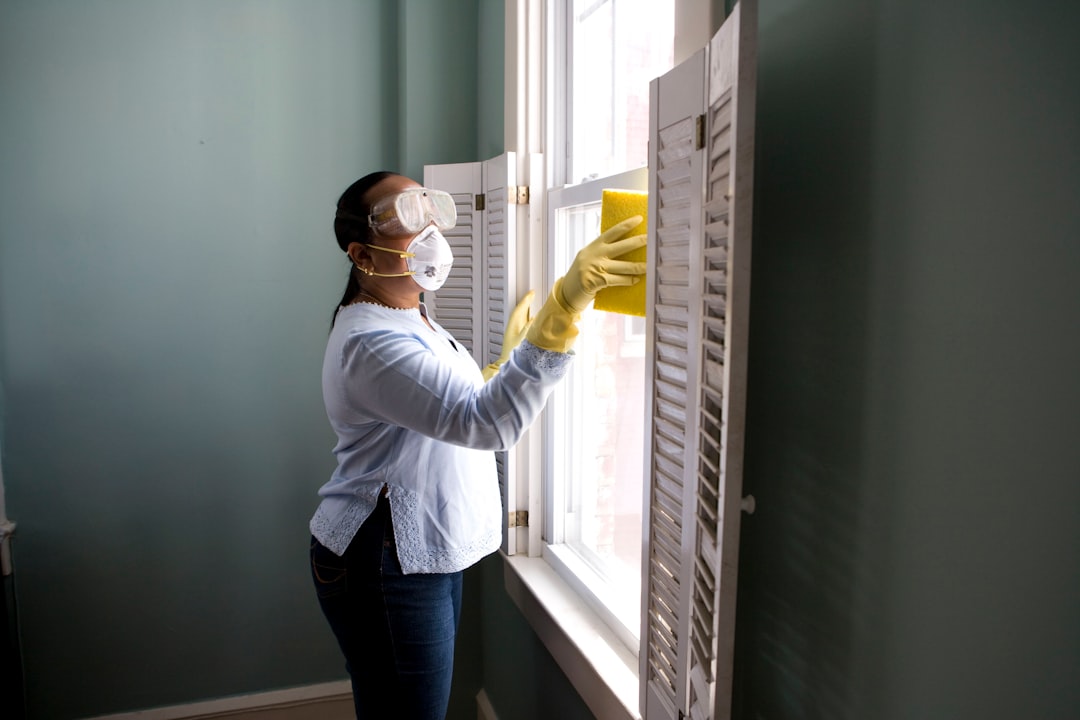
Photo by Josue Michel on Unsplash.