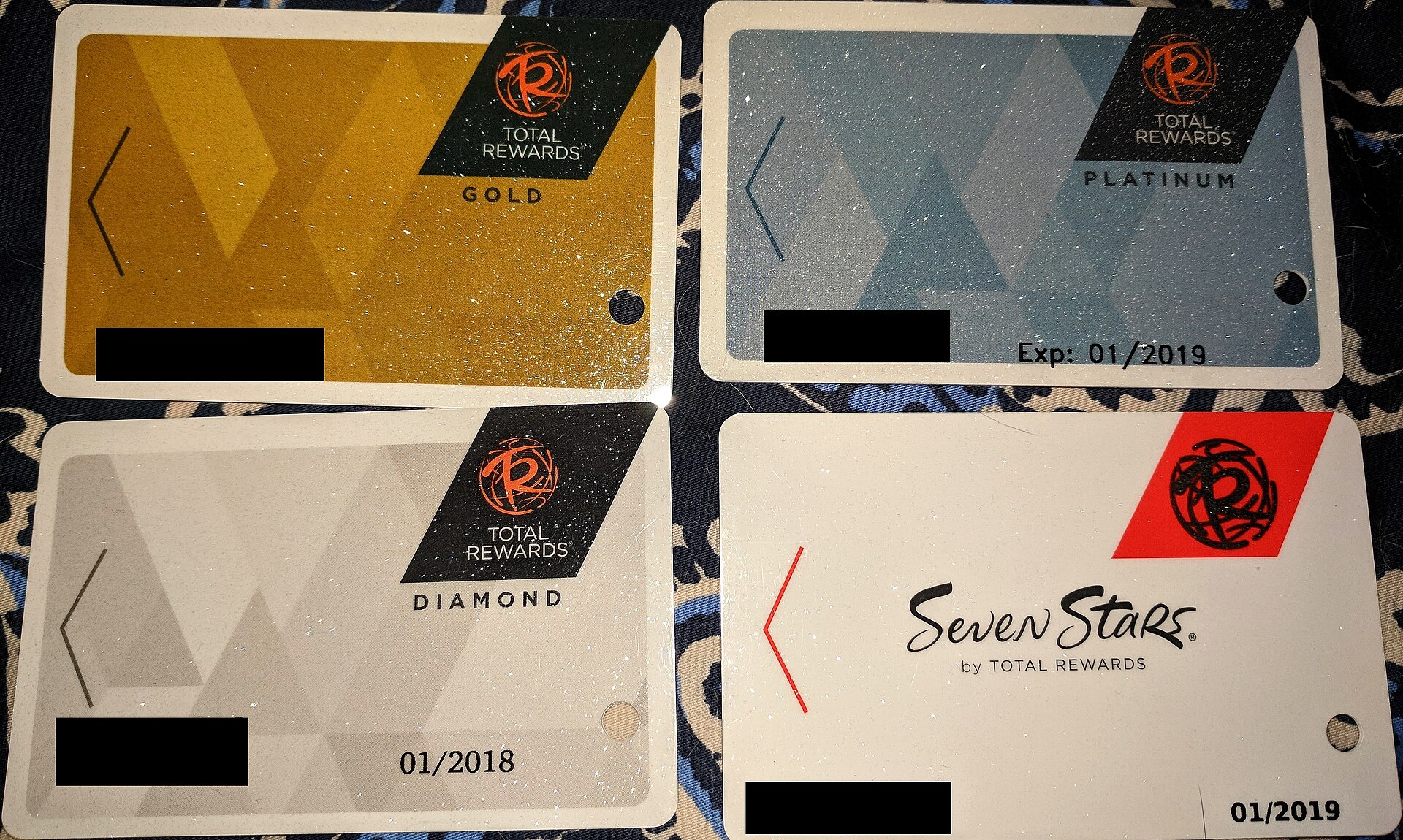
Every loyalty program boils down to one of three basic structures: earn points, climb tiers, or pay for membership. Pick the wrong one and you end up funding rewards nobody redeems, or charging a fee customers won’t pay for.
This guide breaks down how each model actually works, uses real programs as reference points, and gives you a simple way to decide which structure matches your business, margins, and how often customers buy from you.
Quick Answer
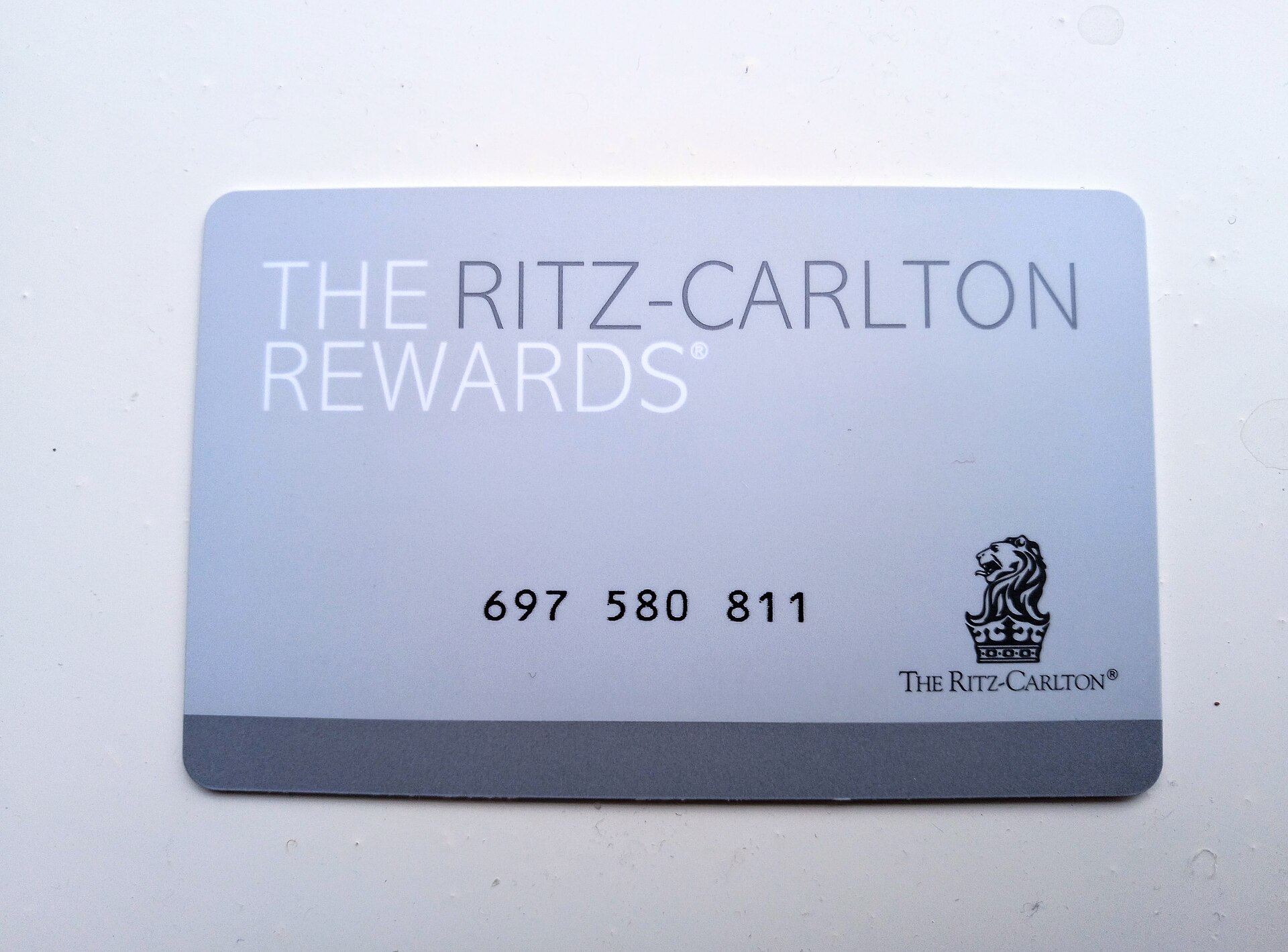
Use a points program when purchases are frequent and low-cost and you want the widest possible signup base. Use a tiered program when you want to reward your biggest spenders with status and escalating perks. Use a paid membership when you can bundle enough immediate, tangible value (shipping, discounts, exclusive access) to clearly beat the price of the fee.
How Each Loyalty Model Actually Works
Points programs award a set amount per dollar spent (or per action, like a review or referral), and customers redeem points for discounts, free items, or perks. Starbucks Rewards is the classic version: members earn Stars per dollar spent, then redeem them at set thresholds — for example, 25 Stars gets a small drink customization (like an added shot or syrup) for about $1 off, while higher thresholds unlock full free drinks or food items. Points programs are easy to explain, cheap to join, and drive habitual small purchases — but if the earn rate or redemption value is unclear, customers disengage fast.
Tiered programs group customers into ranked levels — often something like entry, mid, and top tier — based on how much they spend or engage in a rolling period, with better perks unlocked at each level. Sephora’s Beauty Insider program is a good reference: Insider is free to join, VIB status kicks in at a set annual spend threshold, and Rouge status (the top tier, requiring roughly $1,000 in a calendar year) unlocks the deepest discounts during sale events and exclusive gifts. Tiers work well when status and exclusivity motivate your customers more than pure discounts do, and they naturally concentrate rewards on your most valuable buyers instead of spreading them evenly.
Paid membership programs charge an upfront or recurring fee in exchange for guaranteed benefits — no earning required. Amazon Prime is the reference model: members pay a monthly or annual fee and immediately get free fast shipping, streaming perks, and shopping-event access. Paid membership only works if the bundled value is obvious and recurring; it converts loyalty into locked-in revenue, but it’s a much harder sell than a free program because customers have to trust the value before they’ve experienced it.
Many established brands now blend models rather than picking just one. Starbucks itself relaunched its program with Green, Gold, and Reserve tiers layered on top of its points system: Green members earn a base rate of Stars per dollar, Gold members (unlocked after a set amount of Stars earned in a year) earn a higher rate and can keep Stars from expiring with regular activity, and Reserve members (the top tier) earn the highest rate along with exclusive perks and experiences — proof that these models aren’t mutually exclusive as a program matures.
Which Model Fits Your Business
Start with purchase frequency. If customers buy from you weekly or monthly (coffee, groceries, quick-service food, everyday retail), a points program keeps the reward loop short enough to feel rewarding. If purchases are occasional but can be large (beauty, apparel, home goods, travel), a tiered structure lets you reward the customers who spend the most without diluting margin on everyone else.
Next, look at your margins and existing perks. A paid membership only makes sense if you already have (or can build) benefits worth paying for upfront — free or expedited shipping, exclusive inventory, bundled services, or meaningful recurring discounts. If your best “perk” is just occasional 10% off, a fee will feel like a bad trade to most customers.
Finally, consider what actually motivates your audience. Price-sensitive, transactional customers respond best to points because the value is concrete and immediate. Customers who care about recognition and exclusivity respond better to tiers. Customers who buy from you constantly and want convenience are the best candidates for a paid model, since they’re the ones who’ll use the membership often enough to make the fee worth it.
Tips and Common Mistakes
Don’t launch a program before you can clearly explain, in one sentence, how a customer earns and redeems value — if you can’t, they can’t either. Avoid setting tier thresholds so high that only a tiny fraction of customers ever see the next level; aspirational tiers still need to feel reachable. If you’re testing a paid membership, consider a free trial period so customers can experience the value before committing to the fee, the same way most major paid programs do. And whichever model you choose, track redemption rates, not just signups — a program full of members who never redeem anything isn’t building loyalty, it’s just collecting emails.
Explore more: More customer loyalty strategies.
Loyalty program models FAQs
Can I combine points, tiers, and paid membership in one program?
Yes, and many mature loyalty programs do. A common approach is a free points base for everyone, tiers that reward top spenders with better earn rates or perks, and an optional paid tier layered on top for the most engaged customers.
Which loyalty model is cheapest to launch?
A basic points program is typically the least expensive and complex to launch, since it doesn’t require tier logic or membership billing infrastructure — just a way to track spend and issue redeemable rewards.
Do paid membership programs work for small businesses?
They can, but only if you have enough recurring, tangible value to justify a fee — like guaranteed discounts, priority service, or exclusive access. Without that, a free points or tiered program is usually a safer starting point.
Turn Customers Into Your Growth Engine
Launch a referral program that turns happy customers into your best growth channel — with ReferralEarl. Try ReferralEarl.
Want this in your inbox? Subscribe to the free newsletter.
Photo: Haljackey / CC BY-SA 4.0, via Wikimedia Commons.