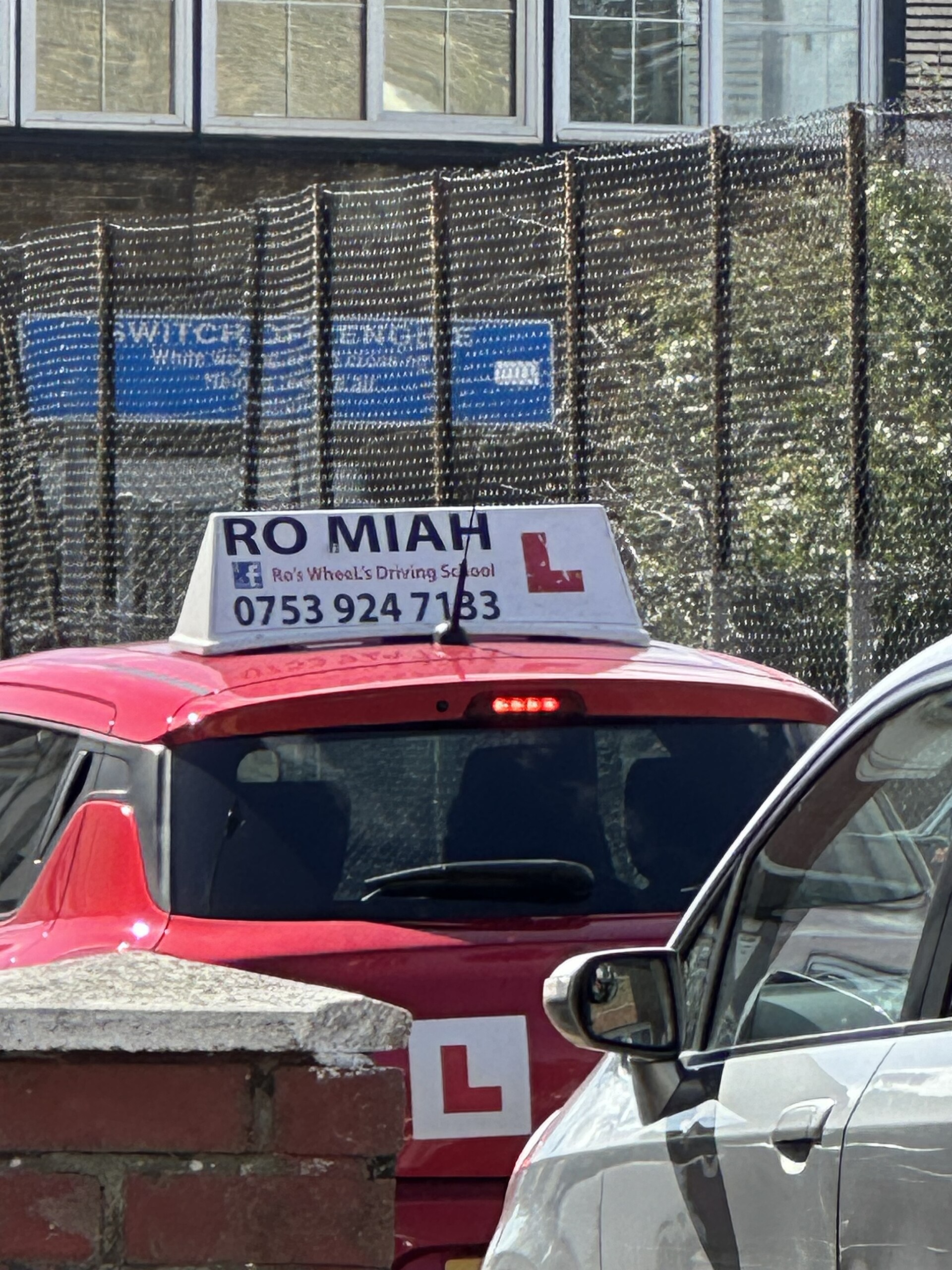
Driving schools live and die on local reputation. New students almost always come from someone who trusts you already — a parent, a friend, a sibling who just got their license — which makes word of mouth one of the most reliable, and cheapest, ways to fill your booking calendar.
A referral program simply gives that word of mouth a nudge and a reward. This guide walks through how to design one specifically for a driving school: what to offer, how to track it without extra software if you don’t want it, how to promote it to students and parents, and the mistakes that quietly kill most referral programs before they get traction.
Quick Answer
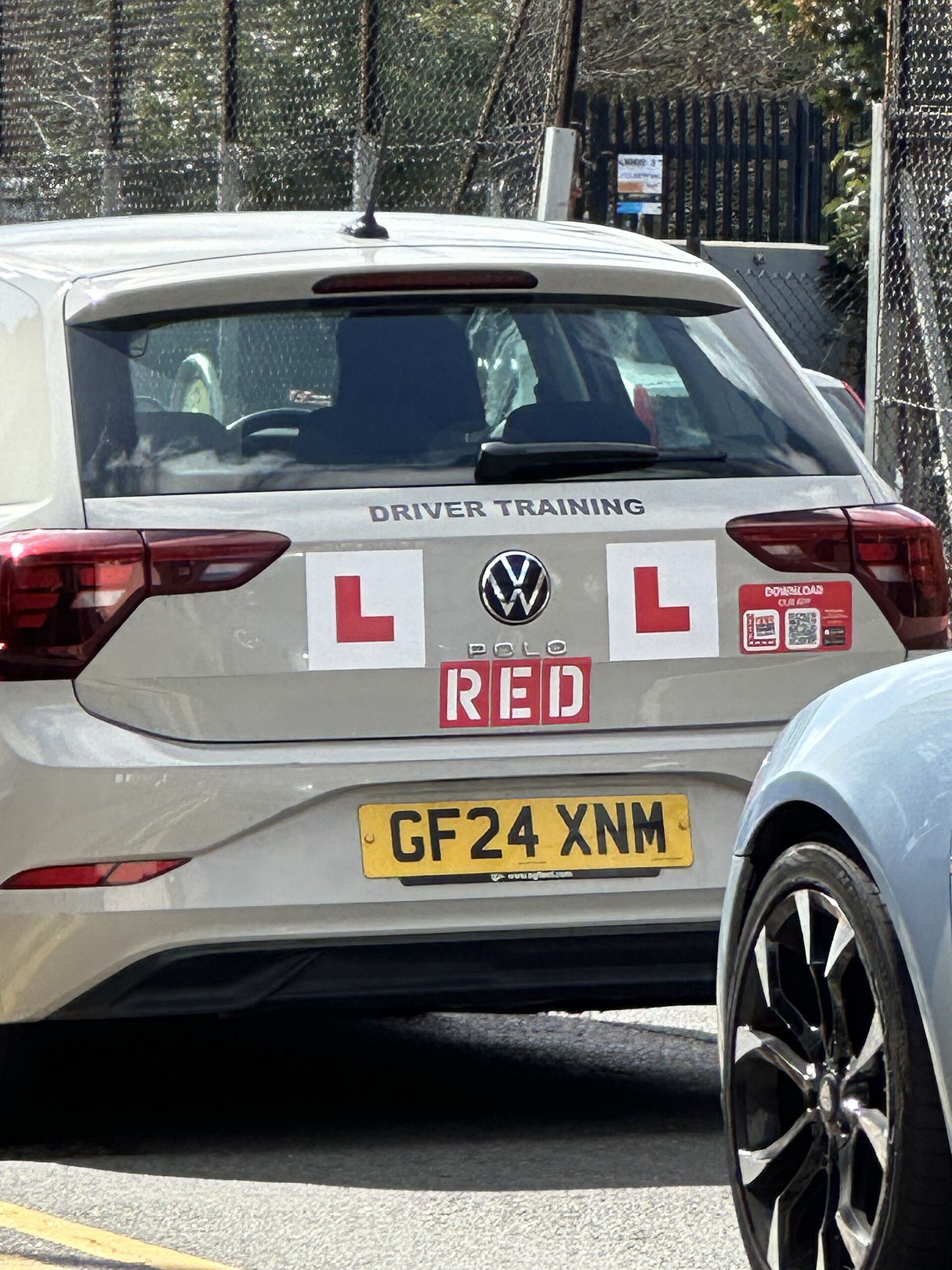
To build a driving school referral program: pick a simple two-sided reward (both the referrer and the new student get something, like a discount on lessons or a free hour of instruction), give every current student a unique referral code or link, track redemptions at booking, and promote the program at the moments students are happiest — right after they pass their test or finish a lesson package.
Step-by-Step: Designing the Program
Start with the reward structure. Two-sided rewards (both parties benefit) consistently outperform one-sided rewards because the new student has an actual reason to use the referral, not just ignore it. For a driving school, common options include a percentage or dollar discount off a lesson package, a free hour of behind-the-wheel instruction, or a discount on a bundled prep-and-test package. Keep the reward simple enough to explain in one sentence — if a parent has to read a paragraph to understand what they get, the program is already too complicated.
Next, decide how referrals get tracked. You don’t need expensive software to start: a unique referral code per student (their first name plus a number, or a simple word) that new students mention when booking works fine for a school with a manageable volume of students. If you’re already using scheduling or booking software, check whether it supports coupon or discount codes natively — many platforms used by driving schools have a code field you can repurpose for this. As the program grows, dedicated referral-tracking tools can automate code generation, reward fulfillment, and reporting, but that’s an upgrade, not a requirement to launch.
Set clear rules up front and write them down somewhere a student can actually find them: is there a cap on how many times someone can earn the reward? Does the referred student need to complete a lesson (not just book one) before the reward pays out — recommended, to avoid rewarding no-shows or cancellations? Is the payout a discount on the next package or a one-time credit? Settling these questions before launch avoids awkward conversations later.
Finally, decide who’s eligible. Most driving schools include both current students and the parents or guardians who paid for lessons, since parents are often the ones actually recommending the school — at pickup, at school events, or in group chats with other parents.
Promoting the Program So People Actually Use It
Referral programs fail more often from low visibility than from a weak reward. The best moments to mention yours are when a student feels the most goodwill toward you: right after they pass their driving test, at the end of a lesson package, or in the confirmation text or email after their first booking. A quick line like ‘Know someone who needs to learn to drive? Refer them with your code and you both save on lessons’ takes seconds to add to a message you’re already sending.
Make the referral code visible in more than one place, not just something an instructor mentions once. Put it on a small card handed out after the final lesson, in the footer of confirmation emails and texts, and on a dedicated page on your website that’s easy to link to from social posts. If you post student pass photos or testimonials on Instagram or Facebook, a common tactic for local driving schools, include the referral offer in the caption — parents scrolling social media at pickup time are a warm audience for it.
Don’t overlook the instructors themselves. They’re often the ones actually building the relationship with the student and parent, so make sure they know the program exists and can mention it naturally in conversation — a verbal recommendation from an instructor a parent already trusts is worth more than any flyer.

Tips and Common Mistakes
Keep the ask small. The whole point is to remove friction — if a student has to log into a portal, find a form, and manually enter a friend’s contact info, most won’t bother. A code they can say out loud or text is far more likely to actually get used.
Avoid rewarding a referral before the referred student actually books and completes a lesson. Paying out on a mention alone invites abuse and drains margin without producing real students.
Review your numbers every few months: how many referrals came in, how many converted to paying students, and whether the reward is still worth the cost relative to what a new student is worth to your school over a full lesson package. Adjust the incentive if it’s not generating meaningful volume — a slightly bigger discount is often cheaper than a paid ad campaign that isn’t converting.
Don’t let the program go stale. Refresh how you promote it seasonally — back-to-school season and the run-up to summer, when many teens want their license before break, are natural high-intent windows to remind past students and parents the referral offer still exists.
Explore more: More referral marketing guides.
Driving school referral program FAQs
What’s a good referral reward for a driving school?
A dollar or percentage discount off a lesson package, or a free hour of instruction, tends to work well for both the referrer and the new student. Keep it simple and easy to explain in one sentence.
Should the reward go to the student or the parent?
Make both eligible. Students often refer classmates, while parents often refer other parents, so covering both widens your pool of active promoters.
Do I need special software to run a referral program?
No. A simple unique code per student, tracked manually or through a coupon field in your existing booking software, is enough to start. Dedicated referral-tracking tools are a helpful upgrade once volume grows, not a requirement.
When should I ask students to refer friends?
Right after they pass their test or finish their lesson package, when satisfaction is highest — that’s when a referral mention in a text, email, or handout gets the best response.
Turn Customers Into Your Growth Engine
Launch a referral program that turns happy customers into your best growth channel — with ReferralEarl. Try ReferralEarl.
Want this in your inbox? Subscribe to the free newsletter.
Photo: OathOn / CC0, via Wikimedia Commons.