A first visit to a taproom or tasting room is easy to win. The harder job is getting that guest to come back, bring friends and buy your bottles or cans. A good loyalty program turns a one-time visitor into a regular, and it can do that without steep discounts that eat into your margins.
This guide covers the loyalty models that breweries and wineries actually use: mug clubs, wine clubs, stamp and challenge programs, tiered rewards and member events. It also explains how to choose one, launch it and avoid the common mistakes.

Quick Answer
The best loyalty programs for breweries and wineries pair a simple, repeat-visit reward (a mug club, stamp card or points system) with membership perks that money can’t buy, such as early releases, member-only events and allocations of limited bottles. Start with one easy-to-explain program, tie the rewards to your slower days, and make members feel like insiders rather than just discount hunters.
Loyalty Program Ideas for Breweries
Mug club: Members pay an annual or one-time fee and receive a numbered or custom mug. Typical perks include a larger pour for the price of a smaller one, discounts on to-go beer and merchandise, early access to new releases and invitations to member events. Some breweries run a version built around a weekly pint deal instead. The mug itself is a strong draw, because it gives members a physical reason to keep coming back.
Punch card or points: This is the simplest option. Guests earn a stamp or points with each purchase, and a free pint or piece of merch waits at the end. Modern brewery point-of-sale and loyalty tools can track this automatically, so you don’t have to manage paper cards.
Beer challenge or passport: List your beers on a digital or printed menu and challenge guests to try a set number of them, with a prize at the milestone. This encourages guests to explore your full tap list. It also works well for breweries with several taprooms, or for local trails where guests collect a stamp at each stop.
Streaks and slow-night rewards: Rewarding consecutive weeks (for example, three Thursdays in a row) gives guests a rhythm and something to lose by skipping a week. Perks that redeem only Tuesday through Thursday move demand into hours when you’re already paying staff.
Loyalty Program Ideas for Wineries
Wine club with allocations: Members commit to receive a set number of bottles a few times a year, either shipped or picked up at the winery. In return they typically get a discount on other purchases, waived or reduced tasting fees, reduced or waived shipping on club orders, and first access to limited or library wines that never reach retail. Clear communication is essential: tell members what is coming, and give them a window to review and adjust their shipment.
Pick-up and customizable tiers: Offer different club levels by bottle count or price, and let members choose red, white or mixed shipments. Flexibility reduces cancellations, because members can adjust instead of quitting.
Tiered rewards: Guests who spend more unlock extra perks, such as complimentary tastings for friends, private tours, barrel samples or a gift bottle. Small personal touches, like birthday or anniversary rewards, cost little and are remembered.
Experiences: Harvest days, blending sessions, vertical tastings, pairing dinners and members-only releases build a sense of belonging. Many wineries find that these events do more to keep members than a discount does.
Shipping rules: Wine club shipping is governed by state direct-to-consumer laws, and they vary by state. Confirm where your winery is allowed to ship before you advertise a nationwide club.
How to Launch a Program in Five Steps
1. Pick one model and one goal. Decide whether you want more visits, higher spend per visit, or recurring revenue. A mug club or wine club aims at recurring revenue and commitment, while stamp cards target visit frequency.
2. Price the perks. Work out what each perk costs you in margin and staff time before you promise it. Perks that use unsold capacity or slow hours, like an extra pour on a Tuesday, are the cheapest to give.
3. Make it easy to join and track. Guests should be able to sign up at the bar or tasting counter in under a minute. Use your point-of-sale or a loyalty app so staff don’t have to remember who is a member.
4. Launch with a founding-member offer. A limited number of numbered mugs or first-year bottles for early joiners creates urgency and gives you a group of ambassadors.
5. Review after a few months. Look at who is redeeming, who has gone quiet and which perks nobody uses, then adjust.
Tips and Common Mistakes
Don’t lean on discounts alone. Discounts train guests to wait for deals. Exclusivity and belonging, such as early releases, named mugs and member nights, hold up better.
Avoid complexity. If a staff member can’t explain the program in a sentence or two, guests won’t join it. Keep the rules short.
Follow up. Send members a short message about new releases, upcoming events and their own milestones. A club that only shows up at billing time will see cancellations.
Check the rules. Alcohol laws differ by state and locality, and can cover free drinks, discount limits, and shipping. Check with your state regulator or a licensed advisor before you launch.
Add referrals. Members are your best advertisers. Reward them for bringing a friend, for example with a free flight, a bottle credit or an extra stamp once the friend visits.
Explore more: More customer loyalty guides.
Brewery and winery loyalty programs FAQs
What is the easiest loyalty program for a small brewery to start?
A punch card or simple points program is the easiest to set up, since it needs no upfront fee and little explanation. Once you have regulars, a mug club is a natural next step, because it adds commitment and a physical keepsake.
What should a winery include in a wine club?
Most wine clubs offer a regular allocation of bottles with shipping or pickup, discounts on additional purchases, waived or reduced tasting fees and early access to limited wines. Add member events to make the club feel like more than a shipment.
How do I keep loyalty members engaged after they join?
Communicate regularly and give members things that feel exclusive, such as first access to releases, member-only events and milestone rewards. Review redemption data to remove perks nobody uses and improve the ones they do.
Do I need software to run a brewery or winery loyalty program?
Not to start, since a paper punch card or a simple member list works at small scale. As you grow, a loyalty tool connected to your point-of-sale saves staff time, tracks rewards accurately and makes it easier to see who your best guests are.
Turn Customers Into Your Growth Engine
Launch a referral program that turns happy customers into your best growth channel — with ReferralEarl. Try ReferralEarl.
Want this in your inbox? Subscribe to the free newsletter.
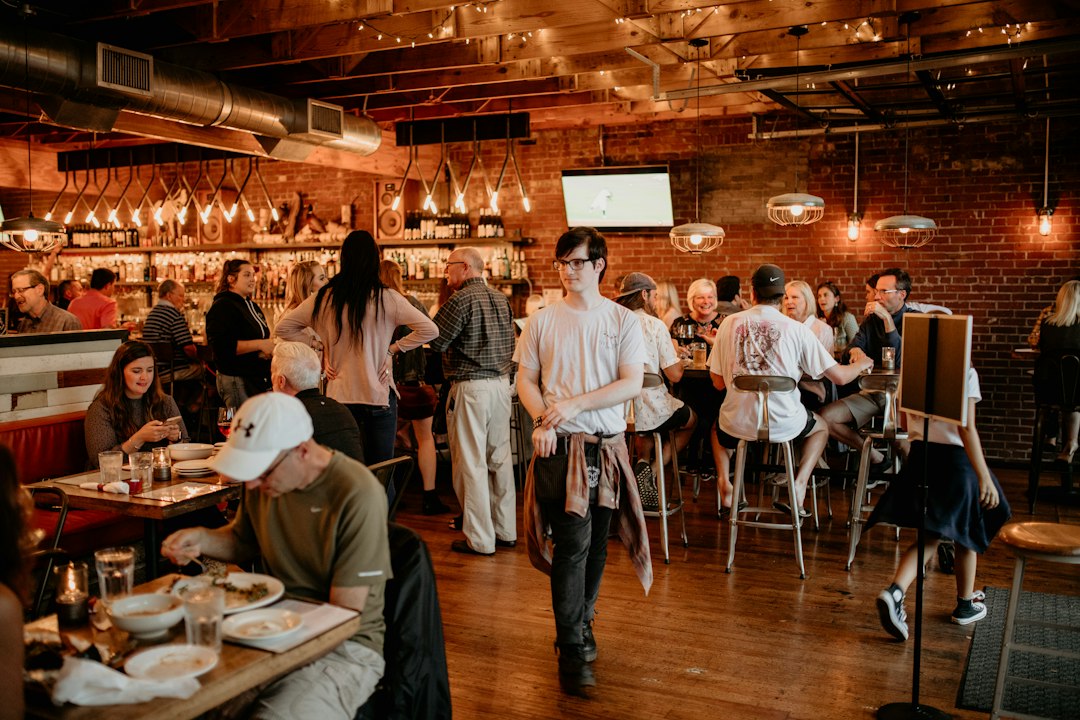
Photo by Daniel on Unsplash.