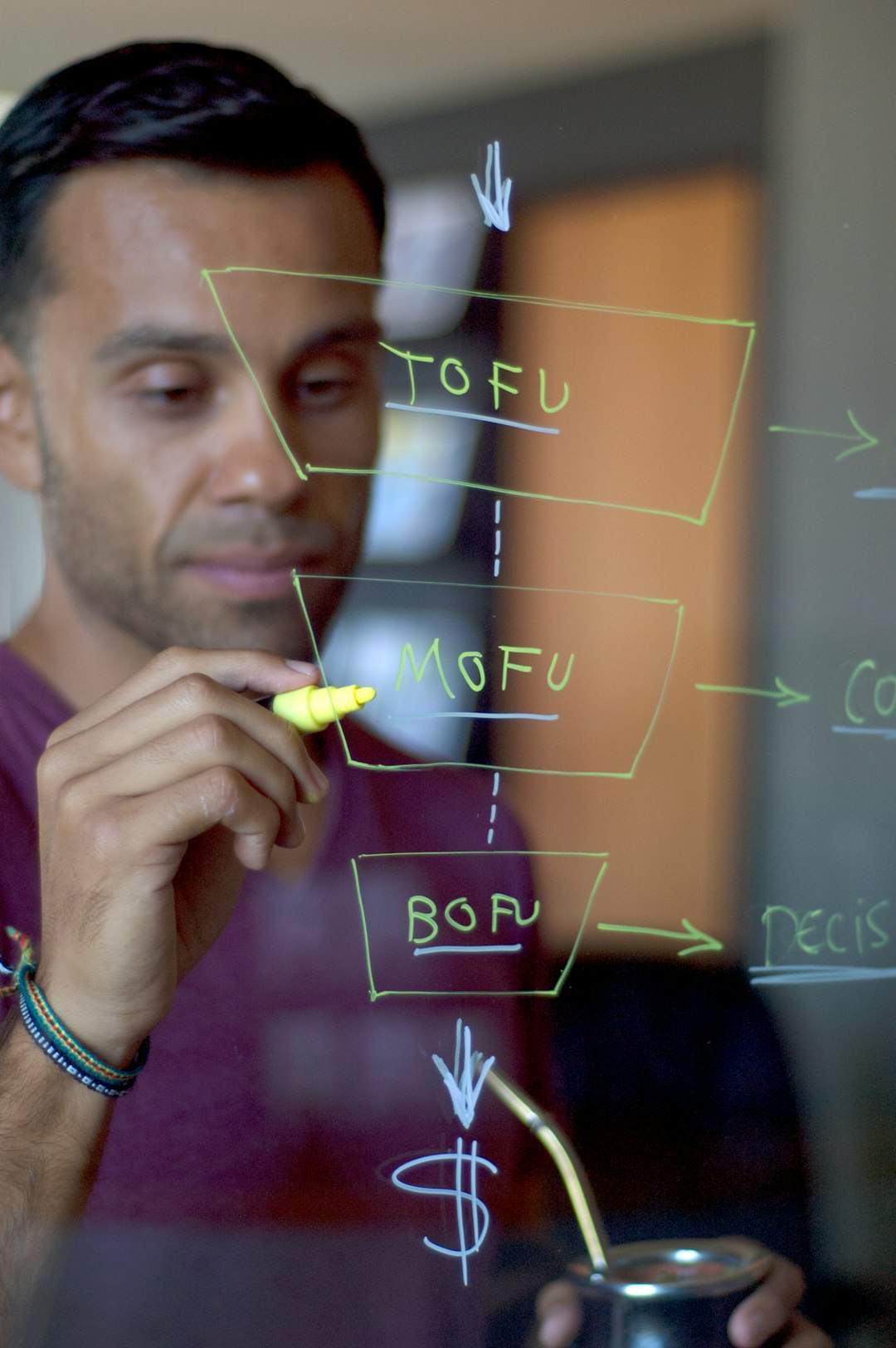
If leads come in but never seem to turn into booked, paying clients, the problem usually isn’t your marketing — it’s that you don’t have a clear path guiding people from “I found you” to “I hired you.” That path is a sales funnel, and for most service businesses it can be built with a handful of free or low-cost tools and a few hours of setup.
This guide walks through the core stages of a simple funnel, what to put at each stage, and the mistakes that quietly leak leads out the bottom before they ever become customers.
Quick Answer
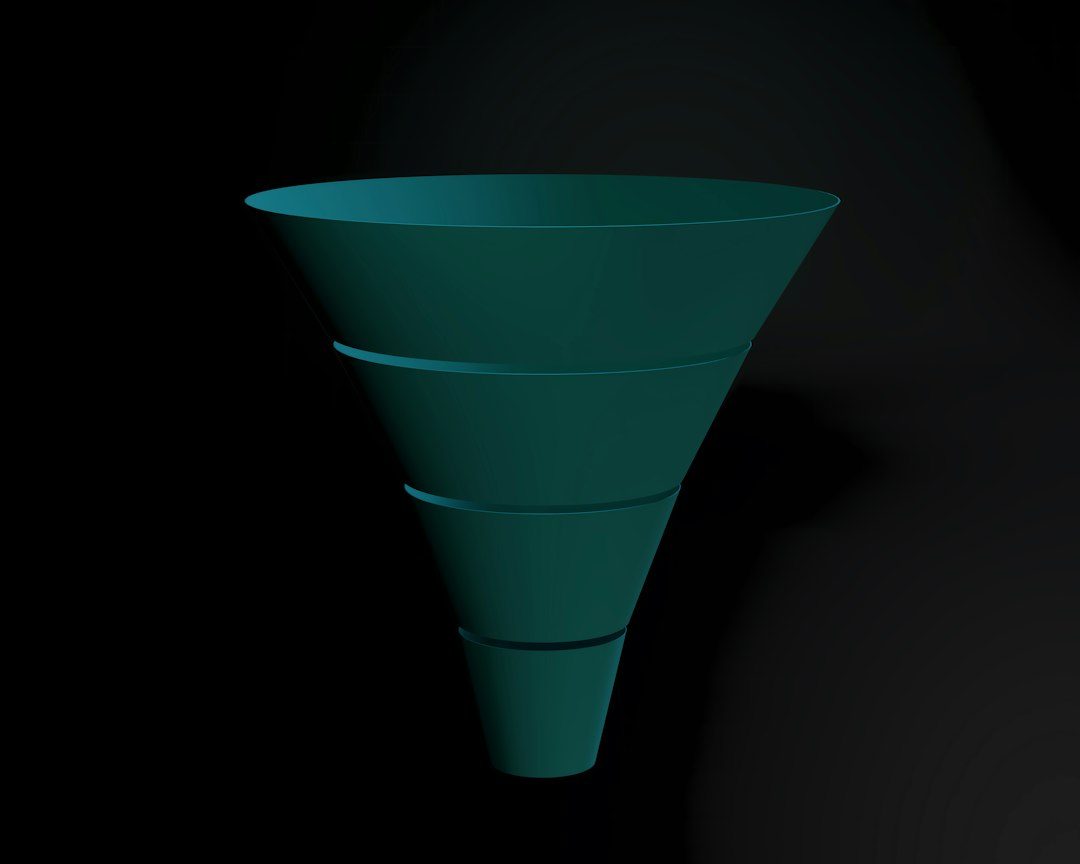
A simple sales funnel for a service business has four stages: attract people who need what you offer, capture their contact info, nurture and follow up until they’re ready to buy, and close the sale with a clear offer or booking step. You can run this with a landing page, an email list or CRM, a scheduling tool, and a consistent follow-up routine — no expensive software required.
The Four Stages of a Service-Business Funnel
Stage 1 — Attract: This is top-of-funnel awareness. It’s how strangers first find you: a Google search, a social post, a referral, a local ad, or a review site. Your job here is simply to get in front of people who already have the problem you solve, not to sell yet.
Stage 2 — Capture: Most visitors won’t buy on the first visit, so the goal is to capture their contact information before they leave. A simple landing page with one clear offer (a free quote, a consultation call, a checklist, a discount for first-time clients) in exchange for an email or phone number works far better than a generic “contact us” page.
Stage 3 — Nurture: Service purchases often involve trust and timing, not just price, so a short follow-up sequence matters. A few emails or texts over one to two weeks — answering common objections, showing past work, and reminding them to book — keeps you top of mind until they’re ready.
Stage 4 — Close: Make the final step as frictionless as possible. A scheduling link (like Calendly), a simple online booking form, or a short phone call to confirm details removes the back-and-forth that causes people to stall out and never convert.
Setting It Up Without Expensive Software
You don’t need a dedicated ‘funnel builder’ to do this well. A single landing page (built in your website platform or a tool like Carrd, Mailchimp, or your existing WordPress site) can handle the capture step. A free-tier CRM such as HubSpot’s free plan or Capsule CRM’s free plan can store contacts and track where each lead sits in your pipeline at no cost — just know that fully automated follow-up email sequences are usually a paid-tier feature (for example, Capsule reserves its workflow automation for paid plans like Growth and above), so on a free plan you may need to send those early follow-ups manually or upgrade once volume justifies it.
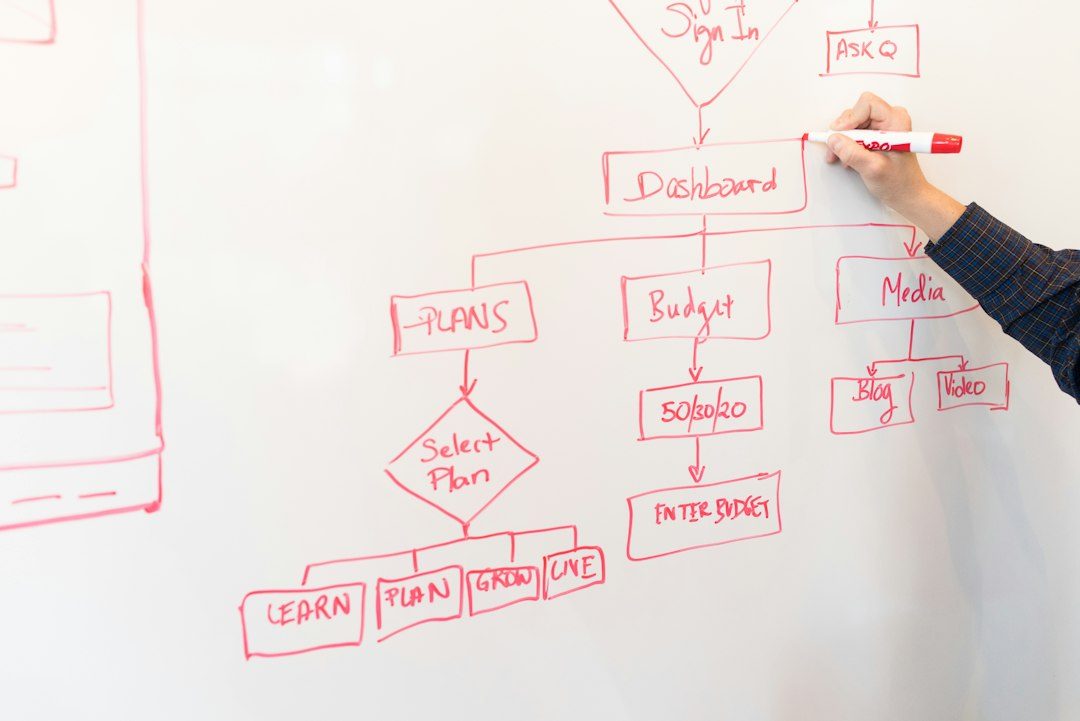
Keep the whole thing in one place if you can — most small service businesses do fine with a CRM that combines contacts, a simple pipeline (stages like New Lead → Contacted → Quoted → Booked), and email tracking, rather than stitching together five separate tools.
Once it’s running, review it monthly: which stage are leads dropping off at? If people capture their info but never book, the nurture sequence or the offer itself usually needs work. If few visitors capture their info at all, the landing page offer is the first thing to fix.
Tips / Common Mistakes
Don’t skip the capture step. Sending traffic straight to a ‘call us’ page with no lead-capture offer means you lose anyone who isn’t ready to commit on the spot — which is most people.
Don’t let leads go cold. A fast first response (ideally within the hour) and at least two or three follow-up touches make a real difference for service businesses, since many buyers choose whoever responds fastest and clearest, not just the cheapest option.
Don’t overbuild it. A one-page funnel with a single clear offer and one follow-up sequence will outperform a complicated multi-step funnel you never finish setting up.
Don’t forget the booking step is part of the funnel too. If scheduling a call or getting a quote is confusing or slow, you’ll lose people who were otherwise ready to buy.
Explore more: More growth strategies for service businesses.
Frequently Asked Questions
What’s the difference between a sales funnel and just having a website?
A website is a static presence; a funnel is a deliberate path with a specific next step at every stage — capturing contact info, following up, and guiding the visitor toward booking. Many service-business websites have no capture step at all, which is why leads disappear.
Do I need paid software to build a sales funnel?
No. A landing page, a free-tier CRM or email tool, and a free scheduling link are enough to run a basic funnel. Paid tools often add deeper workflow automation and reporting, but they’re not required to get started.
How long should my follow-up sequence be?
For most service businesses, three to five touches over one to two weeks is enough. Space them out, lead with value (answering a common question or showing past results) rather than just repeating “are you ready to book?”
What should I track to know if my funnel is working?
Track how many leads capture their contact info, how many of those get contacted, and how many of those convert to booked clients. Tracking drop-off at each stage tells you exactly where to improve, rather than just looking at overall booking numbers.
Turn Customers Into Your Growth Engine
Launch a referral program that turns happy customers into your best growth channel — with ReferralEarl. Try ReferralEarl.
Want this in your inbox? Subscribe to the free newsletter.
Photo by Campaign Creators on Unsplash.