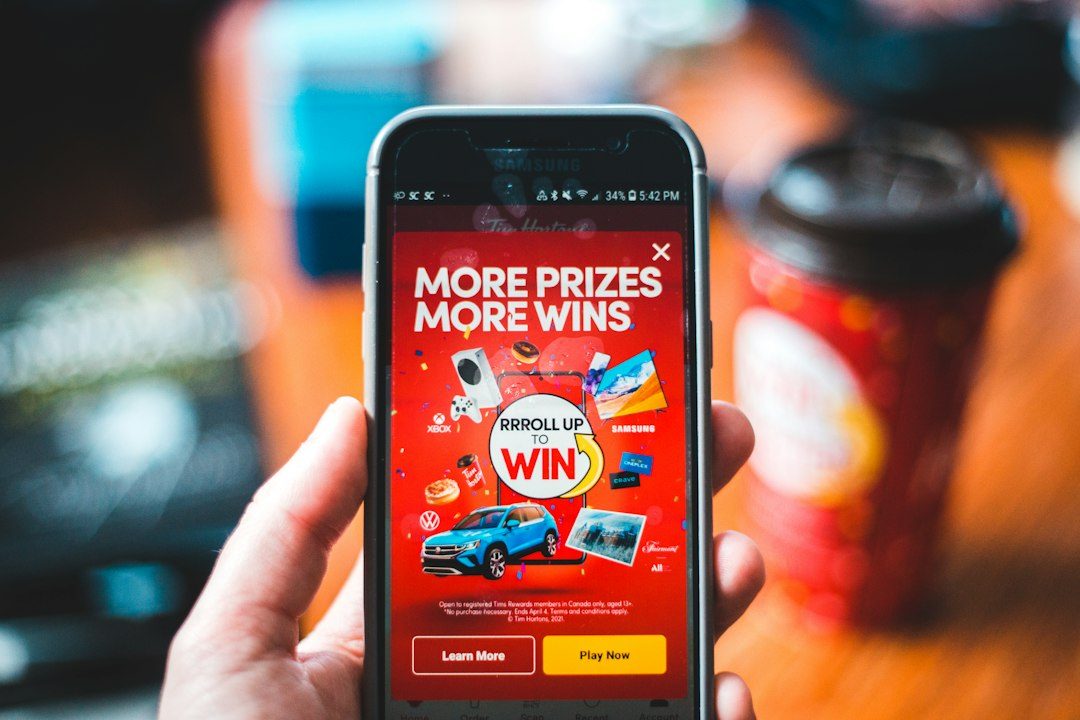
A referral program asks customers to recommend your business. Gamified referral marketing asks the same thing, but wraps it in the kind of progress bars, badges, and milestones that make mobile games and loyalty apps feel addictive. Instead of a flat “refer a friend, get $10,” customers earn points, climb tiers, unlock achievements, or watch a progress meter fill up as they refer more people.
If you’re new to the concept, this guide breaks down what gamified referral marketing actually means, the game mechanics businesses borrow most often, and how to add a layer of gamification to a referral program without overcomplicating it.
Quick Answer
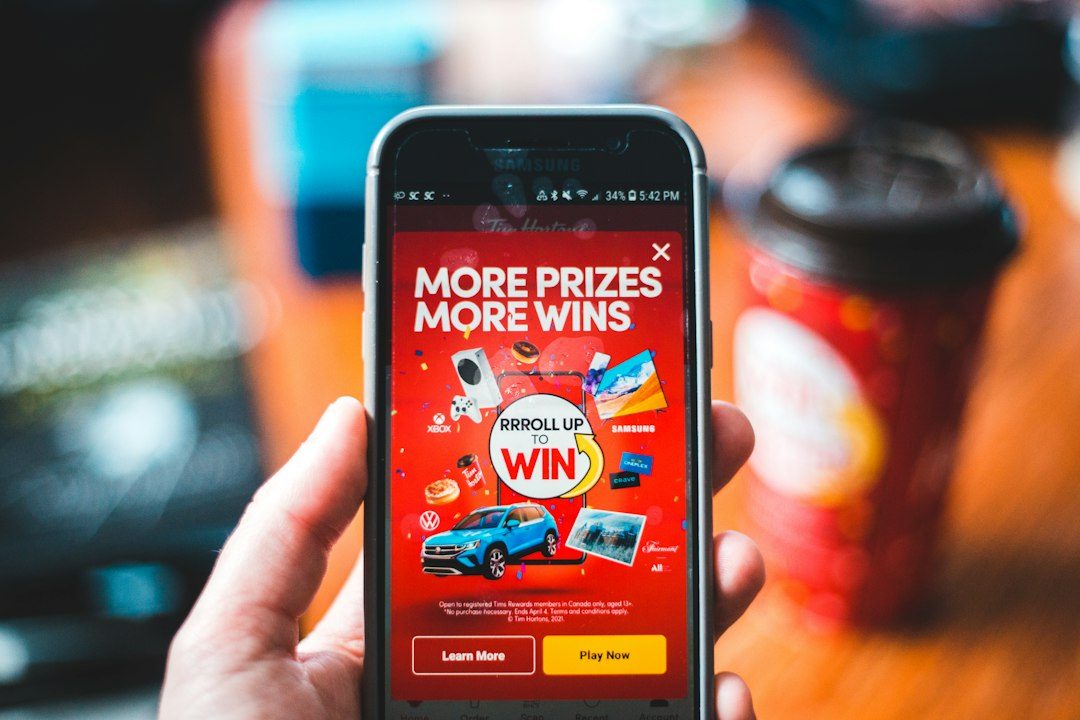
Gamified referral marketing is the practice of applying game-design elements — points, badges, levels, streaks, leaderboards, and progress bars — to a customer referral program, so that referring friends feels like a game to win rather than a one-off transaction to complete.
The Core Game Mechanics Used in Referral Programs
Most gamified referral programs are built from a small set of mechanics, mixed and matched depending on the brand. Points systems replace a single flat reward with a running tally — each referral, share, or signup earns points that can be saved up and redeemed for bigger prizes later, which encourages customers to keep referring rather than stopping after one.
Tiers and levels add a sense of status: a customer might start as a ‘Bronze’ referrer and work up to ‘Gold’ or ‘VIP’ status after a certain number of successful referrals, unlocking better rewards or perks at each level. This is the same structure many airline and hotel loyalty programs use, just applied to referrals instead of purchases.
Badges and achievements mark specific milestones — first referral, fifth referral, a referral that led to a sale — giving customers small, visible wins along the way instead of one reward at the very end. Leaderboards add a social, competitive layer by showing who has referred the most people, which works especially well for brands with an engaged community, ambassador program, or student/campus audience.
Progress bars and streaks borrow directly from fitness and habit apps: a visual bar showing ‘you’re 2 referrals away from your next reward’ or a streak counter for consecutive weeks of activity creates a near-term goal that’s easier to chase than a vague long-term one.
Why Businesses Add Gamification to Referral Programs
A standard referral program usually sees a burst of activity right after launch and then tapers off once the novelty wears off. Gamification is mainly a tool for sustaining engagement past that first wave — tiers and points give customers a reason to refer a second, third, or tenth person instead of stopping after their first reward.
It also makes referring more visible and social. A classic early example is Dropbox’s referral program, which gave users extra free storage for each friend who signed up — turning a simple referral into something closer to a game with a visible ‘storage meter’ that grew as you invited more people. That visibility is part of what made it memorable: people could see their progress and compare it to how much storage power-users had earned.
For small businesses, the appeal is similar on a smaller scale: a points-and-tiers structure gives your most loyal customers — the ones who would happily refer you anyway — a reason to do it repeatedly, and a way for you to reward your best advocates more than someone who refers just once.
Tips / Common Mistakes
Keep the rules easy to understand at a glance. If customers need a paragraph of explanation to figure out how points or tiers work, the gamification is adding friction instead of fun — a simple progress bar or point counter beats a complicated multi-tier rulebook for most small businesses.
Reward both sides when you can. Programs that give something to both the referrer and the new customer (a discount for the friend, points or credit for the referrer) tend to feel fairer and encourage more sharing than one-sided setups where only the existing customer benefits.
Don’t let rewards outpace what the referral is actually worth to your business — tie point values and tier perks back to your margins so the program stays sustainable as it scales.
Make progress visible. A dashboard, email, or in-app screen showing ‘you’ve referred 3 friends, 2 more for your next reward’ matters more to the gamified feel than the specific mechanic you choose — people are motivated by seeing progress, not just by the existence of a prize.
Avoid leaderboards if your customer base is small or not community-minded; ranking 12 customers against each other publicly can backfire, whereas private point totals and badges still feel rewarding without the social pressure.
Explore more: more referral marketing basics.
Gamified referral marketing FAQs
Is gamified referral marketing only for big companies like Dropbox?
No. The mechanics scale down easily — a small business can run a simple points system (e.g., 50 points per referral, redeemable for a discount) or a two-tier structure (refer 1 friend for a small reward, refer 5 for a bigger one) without needing custom software or a large budget.
What’s the difference between a referral program and a gamified referral program?
A standard referral program usually offers one flat reward per successful referral. A gamified version adds structure on top of that reward — points that accumulate, tiers that unlock better perks, badges for milestones, or progress tracking — to make repeated referring feel like advancing through a game rather than completing a single transaction.
Do I need special software to gamify my referral program?
Not necessarily for a simple version — a tiered discount code or a manually tracked points spreadsheet can work for a very small business. But most businesses use referral marketing software or a plugin/app (many ecommerce platforms have referral apps with built-in points, tiers, and badges) once they want automated tracking and reward delivery.
What’s the easiest gamified mechanic to start with?
A simple milestone structure is usually the easiest entry point: give a small reward for the first referral and a bigger one at a set number (like 3 or 5), with a visible progress indicator showing how close the customer is to the next reward.
Turn Customers Into Your Growth Engine
Launch a referral program that turns happy customers into your best growth channel — with ReferralEarl. Try ReferralEarl.
Want this in your inbox? Subscribe to the free newsletter.
Photo by Erik Mclean on Unsplash.