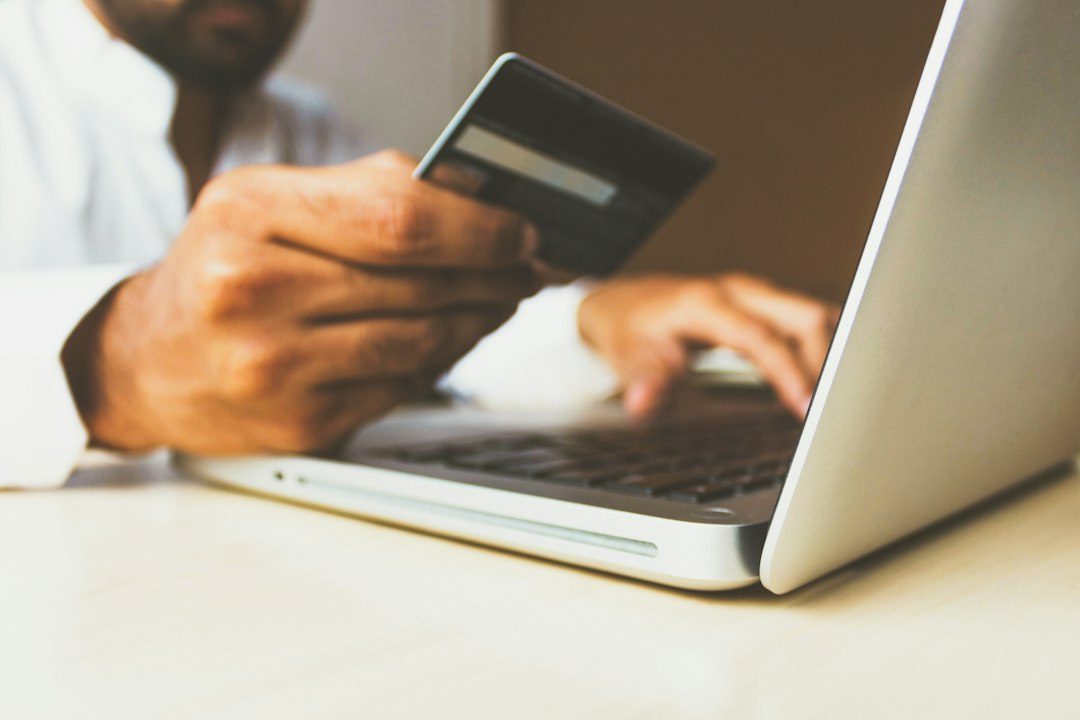
Referral programs turn your existing customers into a sales channel by rewarding them for bringing in friends and family who buy. For an ecommerce store, this usually means a double-sided incentive — a discount, store credit, or free item for both the person referring and the new customer they bring in.
This guide walks through the practical steps to launch a referral program from scratch: choosing a reward structure, picking software that fits your store platform, setting up the pages and emails, and avoiding the mistakes that make new programs fall flat.
Quick Answer
To start an ecommerce referral program, pick a two-sided reward (a discount or credit for both the referrer and their friend), choose a referral app that integrates with your store platform, set up a referral page and automated emails, and announce it to customers who have already purchased and are happy with your product.
Step 1: Decide on Your Reward Structure
Most successful ecommerce referral programs reward both sides of the transaction: the existing customer who shares the link, and the new customer who uses it. Common rewards include a percentage-off discount code, a fixed-dollar store credit, free shipping, or a free product for high-value referrals.
Keep the math simple and sustainable. The reward needs to feel worth sharing for, but it also has to leave room for profit once you account for the referrer’s reward and the new customer’s discount combined. A good starting point for many small stores is a modest percentage or dollar discount on both sides, then adjusting after you see how many referrals convert.
Decide whether rewards are instant (applied as soon as a friend uses the link) or triggered after the referred purchase is completed and past the return window. Triggering rewards after the sale is finalized protects you from paying out on orders that get refunded.
Step 2: Choose Referral Software That Fits Your Platform
Rather than building referral tracking yourself, most stores use a dedicated app. If you’re on Shopify, apps such as ReferralCandy, Smile.io, and Social Snowball connect directly with your checkout and order data so rewards trigger automatically. WooCommerce and BigCommerce stores have similar dedicated plugins and apps available in their respective marketplaces.
When comparing options, check that the app can generate unique referral links or codes per customer, automatically issue the reward once a referred order is placed (and optionally only after it’s no longer refundable), send referral emails on your behalf, and show you basic reporting on who referred whom. Most of these tools offer a free trial or a free tier for very small stores, with paid plans scaling by order volume or revenue — pricing varies by app, so check current plans directly on the vendor’s site before committing.
Step 3: Set Up Your Referral Page and Messaging
Create a dedicated referral or ‘give $X, get $X’ landing page that explains the offer in plain language: what the referrer gets, what their friend gets, and how to share the link (email, text, or social). Most referral apps generate this page for you with your branding, but it’s worth reviewing the copy so it matches your store’s voice.
Write the terms once and keep them visible: minimum order size to qualify, whether the reward applies to sale items, how long referral links stay valid, and when rewards are issued. Clear terms reduce support questions and disputes later.

Step 4: Launch and Promote to Existing Customers
The best time to ask for a referral is right after a customer has a good experience — typically a few days after delivery, once they’ve used the product. Many referral apps let you automate this with a post-purchase email or an on-site popup that appears after checkout.
Announce the program to your full customer list with an email blast, add a referral link or banner to your order confirmation and account pages, and mention it in post-purchase packaging inserts if you ship physical goods. Repeat customers and anyone who’s left a positive review are especially good candidates to target first.
Tips / Common Mistakes
Don’t make the referral flow harder than checkout itself — if sharing a link or redeeming a code takes more than a couple of clicks, most customers won’t bother. Test the full flow yourself as both the referrer and the new customer before launching.
Avoid rewarding referrals before the order is confirmed and past your return window, or you risk paying out on cancelled or refunded orders. Also avoid setting the reward so low it isn’t worth the effort, or so high it erodes your margin on every referred sale — small test batches of real customers are the fastest way to find the right number.
Finally, track your results past the first few weeks. Referral programs often ramp up slowly as word spreads, so give the program at least one full sales cycle before judging whether the reward structure needs adjusting.
Explore more: More referral program basics.
Ecommerce referral program setup FAQs
What’s a good referral reward for a small ecommerce store?
There’s no universal number — it depends on your margins and average order value. A common starting point is a modest percentage discount or a fixed store-credit amount for both the referrer and the new customer, which you can adjust after seeing real conversion data.
Do I need an app to run a referral program, or can I do it manually?
You can run a very small program manually with unique discount codes, but a dedicated referral app automates link generation, reward payouts, and email reminders, which saves time and avoids tracking errors as soon as you have more than a handful of referrals per month.
When should rewards be paid out — immediately or after the sale?
Many stores wait until the referred order is confirmed and past the return/refund window before issuing the reward, which protects against paying out on orders that get cancelled or returned.
How do I get customers to actually use my referral program?
Promote it right after a positive experience — a few days post-delivery is a common window — through a post-purchase email, an account-page banner, or a packaging insert, and keep the reward and sharing steps simple enough to complete in under a minute.
Turn Customers Into Your Growth Engine
Launch a referral program that turns happy customers into your best growth channel — with ReferralEarl. Try ReferralEarl.
Want this in your inbox? Subscribe to the free newsletter.
Photo by rupixen on Unsplash.