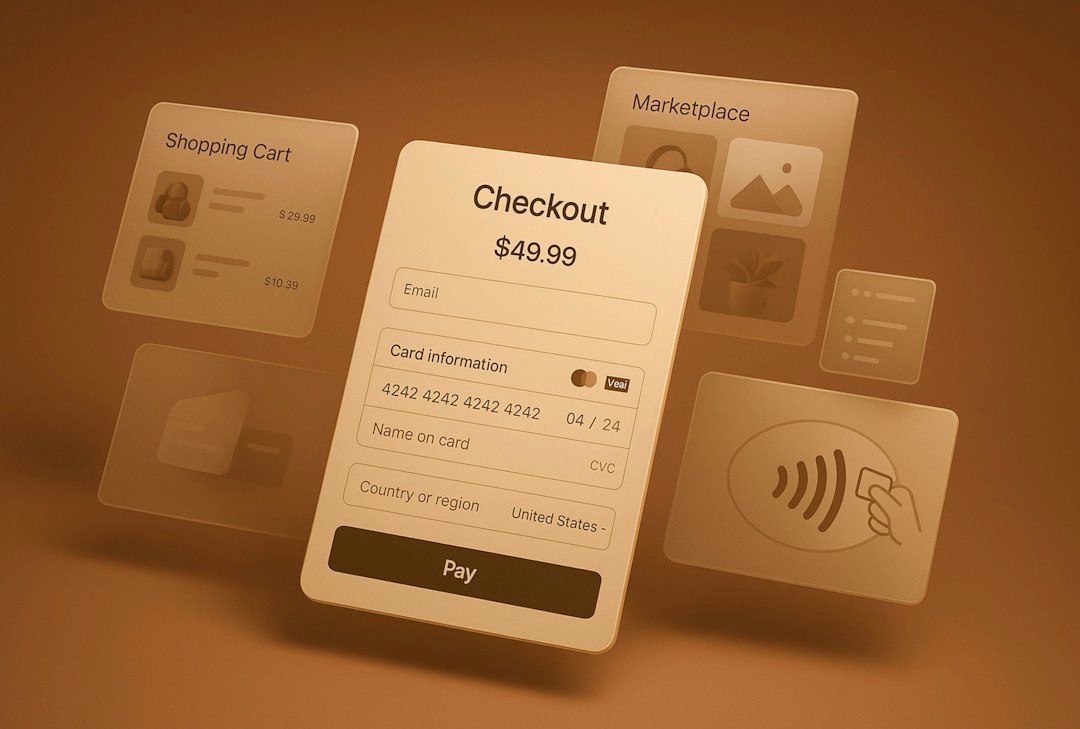
A post-purchase referral prompt is the ask you show a customer for referring a friend at the moment they’re most excited about what they just bought — not weeks later in a newsletter they’ll never open.
This guide explains what counts as a post-purchase referral prompt, where it typically shows up, and how to set one up so it actually gets used instead of ignored.
Quick Answer
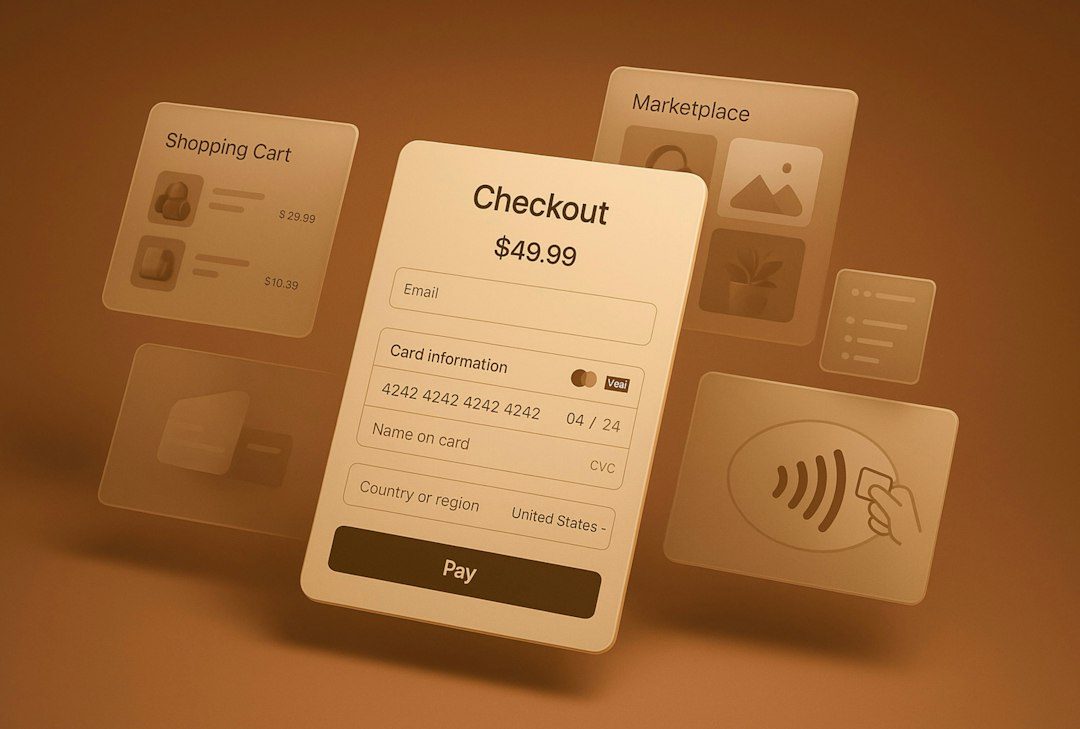
A post-purchase referral prompt is a referral invitation — usually a share link, code, or small widget offering a reward — shown to a customer right after they complete an order, typically on the order confirmation or thank-you page, in a shipping-confirmation email, or in a follow-up message once the product arrives.
How It Works
The core idea is simple: a customer who just bought something is in a positive, decision-free moment. They’ve already committed, they’re not being asked to spend more money, and (if the purchase went smoothly) they’re feeling good about the brand. A referral prompt uses that moment to ask for a low-effort favor — share a link or code with a friend — usually in exchange for a reward for both the referrer and the friend, like a discount, store credit, or cash.
Most prompts are built around a unique referral link or code tied to that customer’s account or order, so the business can track who referred whom and pay out the reward automatically once the friend buys. The prompt itself is usually a short widget or banner with a headline, the offer, a share button or copyable link, and sometimes one-click sharing to email, text, or social platforms.
These prompts are typically delivered through a dedicated referral program tool (built into platforms like Shopify apps, or standalone referral software) rather than built from scratch, since the tool handles link generation, fraud checks, and reward payout.
Where and When to Show One
The order confirmation or thank-you page is the most common placement — it’s the first screen a customer sees after paying, and many businesses treat it as the single highest-leverage spot if they only add one referral touchpoint.
Shipping and delivery confirmation emails are another strong option, since the customer is thinking about the order again and (for delivery emails) has had a chance to actually use the product.
Beyond a single fixed moment, some businesses test behavioral triggers instead — for example, prompting repeat buyers or customers who left a positive review, rather than every single buyer at the same point in the journey. There’s no universal “best” minute or day; the right timing depends on the product (a $20 impulse buy and a $2,000 purchase build excitement on different timelines), so testing a couple of placements against each other is more reliable than copying a fixed rule.

Tips / Common Mistakes
Keep the ask tiny. One sentence, one clear reward, one button. A prompt that explains program rules in detail will get skipped.
Make the reward obvious before the click, not after. “Give $10, get $10” works because both sides see the deal immediately.
Don’t stack the referral ask on top of an upsell or survey on the same page — competing asks on a thank-you page usually mean both perform worse.
Don’t rely on a single placement forever. A prompt that only lives on the thank-you page misses customers who bounce right after paying; pairing it with a follow-up email usually catches more of them.
Track referred signups through to actual paying customers, not just link clicks or shares — share counts look good but don’t pay the bills.
Explore more: More referral basics guides.
Frequently Asked Questions
Is a post-purchase referral prompt the same as a loyalty program?
No. A referral prompt asks an existing customer to bring in a new customer and usually rewards both sides once the referral converts. A loyalty program rewards a customer’s own repeat purchases or engagement, with no new customer involved.
Do post-purchase referral prompts actually work?
They tend to perform better than referral asks buried in a generic newsletter, because they catch the customer at a moment of high satisfaction and low friction. Results vary a lot by business and reward, so it’s worth testing placement and offer rather than assuming one setup will perform the same everywhere.
What reward should I offer in a post-purchase referral prompt?
Store credit, a percentage or dollar discount, or cash are the most common rewards, and offering something for both the referrer and the new customer (a double-sided reward) is standard practice. The right amount depends on your margins and average order value — start with something modest and adjust based on how many referrals actually convert.
Turn Customers Into Your Growth Engine
Launch a referral program that turns happy customers into your best growth channel — with ReferralEarl. Try ReferralEarl.
Want this in your inbox? Subscribe to the free newsletter.
Photo by Ze Vieira on Unsplash.