Customers rarely cancel because of one bad experience. More often, they drift away quietly because a business never gave them a reason to feel valued between purchases. A deliberate customer appreciation strategy closes that gap — it turns silent, transactional relationships into ones customers actively want to keep.
This guide walks through how to build a customer appreciation strategy that’s tied directly to retention, not just goodwill: who to prioritize, what kinds of recognition actually move the needle, how to sequence it around the customer lifecycle, and the common mistakes that make appreciation efforts fall flat.
Quick Answer
A churn-reducing appreciation strategy identifies your at-risk and highest-value customers, then delivers timely, personalized recognition — thank-you messages, milestone rewards, exclusive perks, or surprise discounts — tied to moments that matter, like renewal dates, anniversaries, or first signs of disengagement. The key is consistency and personalization over one-off gestures.
Step-by-Step: Building the Strategy
Start by segmenting your customer base instead of treating everyone the same. Separate customers by tenure, spend, engagement level, and churn risk (customers who haven’t purchased or logged in recently, or whose usage has dropped). Appreciation aimed at your newest customers should look different from appreciation aimed at five-year loyalists — new customers need reassurance they made the right choice, while long-term customers need to feel their loyalty is noticed and rewarded.
Next, map appreciation moments to the customer lifecycle rather than scattering them randomly. Good anchor points include: the first purchase or sign-up (a genuine thank-you note, not an automated receipt), a usage or purchase milestone, a renewal or contract-anniversary date, and any point where support data or engagement metrics signal a customer is losing interest. Tying appreciation to these moments makes it feel intentional instead of generic.
Then choose a mix of appreciation types instead of relying on discounts alone. Financial rewards (loyalty points, surprise credits, tiered perks) work well for driving repeat purchases, but non-financial recognition — handwritten notes, early access to new features or products, public shout-outs, or an invite to a customer-only community — often builds a stronger emotional connection, because it signals the relationship matters beyond the transaction.
Set up a lightweight loyalty or rewards structure so appreciation is systematic, not ad hoc. A simple tiered system (e.g., entry, mid, top tier based on spend or tenure) gives customers a reason to stay engaged and makes it easy for your team to know who deserves extra attention without manually tracking every account.
Finally, close the loop with a churn-risk trigger. When a customer shows early warning signs — a support ticket, a paused subscription, a drop in usage — that’s the moment for a personal check-in or a targeted appreciation gesture, not a generic retention email. Acting early, before the customer has mentally checked out, is what separates appreciation programs that reduce churn from ones that just generate goodwill.
Why Appreciation Reduces Churn
Churn is often a lagging indicator of a customer feeling unnoticed. Customers who receive proactive recognition — especially recognition that isn’t tied to a sales pitch — are more likely to give a brand the benefit of the doubt when something goes wrong, and less likely to shop around when a competitor emails a discount.
Appreciation also creates natural touchpoints for gathering feedback. A thank-you message or milestone reward is a low-pressure way to ask ‘how’s it going?’ — which surfaces friction before it turns into a cancellation. Combined with referral or advocacy incentives, appreciation efforts can also turn loyal customers into a source of new business, compounding the return on the same relationship.
The businesses that see the biggest retention gains treat appreciation as an ongoing program with owners, a cadence, and a budget — not a once-a-year gesture around the holidays.

Tips and Common Mistakes
Personalize beyond the customer’s name. Reference what they actually bought, how long they’ve been a customer, or a specific milestone — generic ‘Dear Valued Customer’ messages read as automated and undercut the whole effort.
Don’t make every gesture a sales pitch. If every ‘thank you’ comes bundled with a coupon and a call to buy more, customers start to see appreciation as marketing rather than genuine recognition. Mix in no-strings-attached gestures.
Avoid one-time campaigns with no follow-through. A single appreciation month or a holiday card doesn’t build lasting loyalty — the strategy needs a recurring cadence tied to the customer lifecycle.
Watch for reward fatigue. If every customer gets the same discount regardless of loyalty or spend, top customers feel undervalued. Tiering rewards so your best customers get visibly better treatment reinforces why staying loyal is worth it.
Measure it. Track retention and churn rate for customers who received appreciation touchpoints versus those who didn’t, so you can tell which gestures are actually influencing behavior versus just feeling nice.
Explore more: More customer loyalty strategies.
Customer Appreciation Strategy FAQs
What’s the difference between a customer appreciation strategy and a loyalty program?
A loyalty program is usually a structured, rules-based system (points, tiers, rewards). A customer appreciation strategy is broader — it includes loyalty programs but also covers unstructured gestures like thank-you notes, surprise perks, and proactive check-ins that aren’t tied to a points system.
How often should you show customer appreciation?
Appreciation works best as an ongoing cadence rather than a single annual event — tied to lifecycle moments like sign-up, milestones, renewals, and early churn-risk signals, plus periodic surprise gestures that aren’t tied to any specific trigger.
Does customer appreciation actually reduce churn, or is it just nice to have?
It directly supports retention when it’s targeted: recognizing at-risk or high-value customers at the right moments gives them a reason to stay and opens a low-pressure channel for feedback before problems turn into cancellations. Appreciation that’s generic or infrequent has much less measurable impact.
What’s a low-cost way to start a customer appreciation strategy?
Start with segmentation and personalized communication — handwritten or personalized thank-you notes, a milestone or anniversary acknowledgment, and a simple tiered perk system cost little to implement and often have an outsized impact compared to expensive gifts or blanket discounts.
Turn Customers Into Your Growth Engine
Launch a referral program that turns happy customers into your best growth channel — with ReferralEarl. Try ReferralEarl.
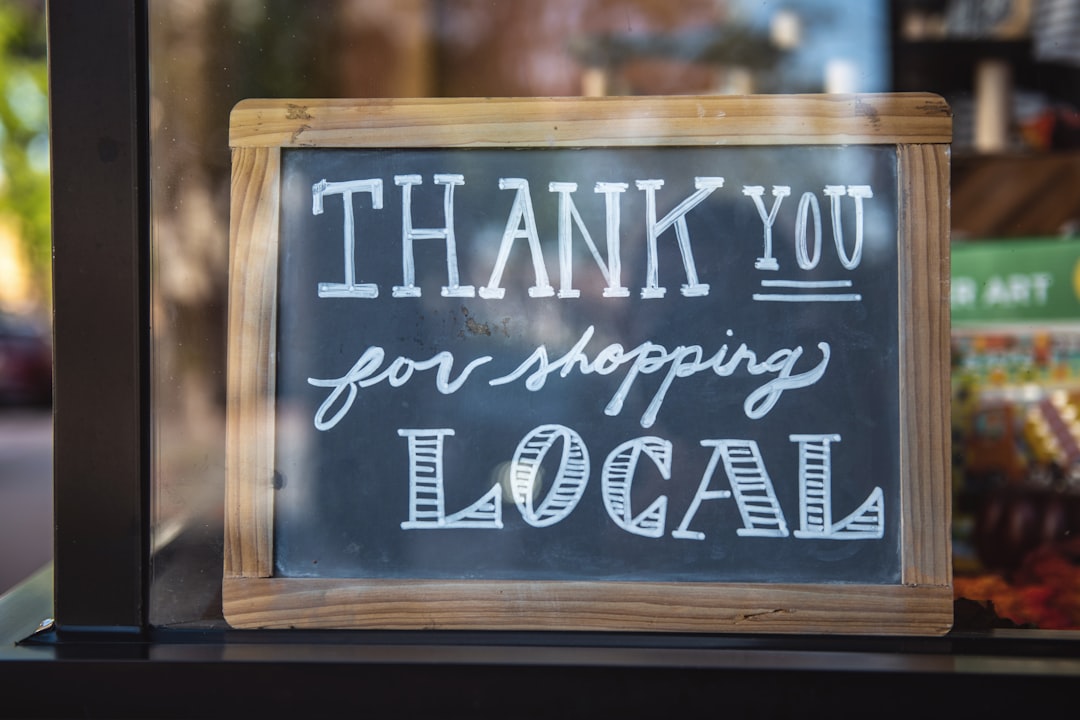
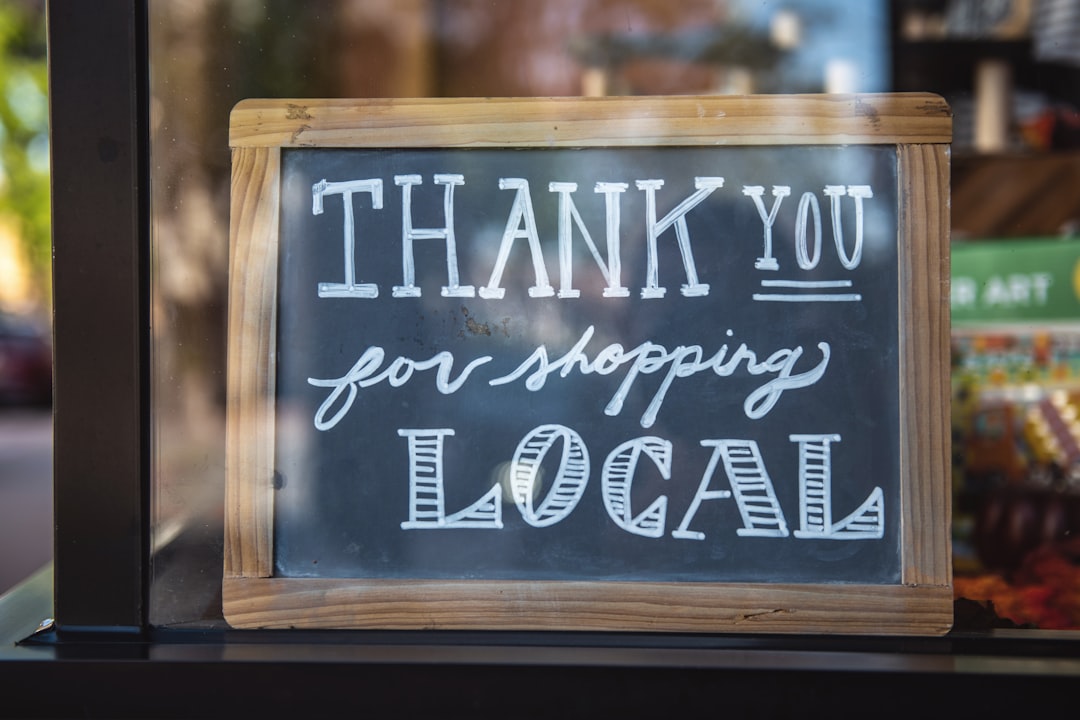
Photo by Tim Mossholder on Unsplash.