Paid ads promise fast leads, but for most freelancers and independent coaches they burn cash before they build a real pipeline. The good news is that the people who consistently stay booked usually aren’t the ones with the biggest ad budget — they’re the ones with a repeatable system for referrals, visibility, and warm outreach.
This guide walks through the free and low-cost strategies that actually move the needle: turning past clients into a referral engine, using LinkedIn and content to demonstrate expertise before the sales conversation even starts, and building partnerships that hand you warm leads instead of cold ones.
Quick Answer
You get clients without ads by combining three things consistently: a system for asking past clients and contacts for referrals, organic visibility on a platform your ideal clients already use (usually LinkedIn for B2B freelancers, Instagram or a local Google Business Profile for consumer-facing coaches), and strategic partnerships with businesses or people who already serve your target audience.
5 Free Strategies That Actually Bring In Clients
Start with referrals, deliberately. Most freelancers wait for referrals to happen instead of asking for them. After a project wraps and the client is happy, ask directly: “Do you know anyone else who could use help with [specific problem you solve]?” Make it easy by suggesting who to think of (a role, industry, or situation) rather than a vague “let me know if you hear of anyone.”
Post on LinkedIn like you mean it. Announce when you’re taking on new clients and describe exactly who you help and how, then ask your network to share it. Beyond that single post, publish regularly about the problems you solve — a short breakdown of a client win, a lesson from a project, or your take on a trend in your niche. The goal is for prospects to see your expertise before you ever pitch them.
Send a small number of highly personalized outreach messages instead of a mass blast. Ten to twenty tailored connection requests or emails a week — referencing something specific about the recipient’s business — consistently outperforms hundreds of copy-paste messages, and it won’t get you flagged as spam.
Build referral partnerships with adjacent service providers. A copywriter can partner with web design agencies; a business coach can partner with accountants or HR consultants. Find people who serve the same client but don’t compete with you, and set up a simple habit of trading introductions.
Claim and optimize your Google Business Profile if you work with local clients (in-person coaching, consulting, or services tied to a city or region). A complete, accurate profile with reviews helps you show up when someone searches for what you do nearby, at no cost beyond the time to set it up.
Turn One-Off Referrals Into a Repeatable Engine
The difference between freelancers who occasionally get referred and those who stay consistently booked is a system, not luck. Keep a simple list of past clients and warm contacts, and check in with them every few months — not to pitch, but to share an update, ask how their project is going, or send something useful. Staying top of mind is what makes someone think of you the moment a friend or colleague needs what you offer.
Make referring you effortless. Have a one-line description of your ideal client ready to send (“I help early-stage SaaS founders with onboarding UX”) so the person referring you doesn’t have to think hard about who qualifies. The easier you make it, the more often it happens.
Case studies double as both proof and outreach material. Writing up a real project — the problem, what you did, the result — gives you something concrete to post, send in outreach, and point referral partners to when they’re deciding whether to recommend you.
Tips and Common Mistakes
Don’t spread yourself across five platforms at once. Pick the one where your ideal clients already spend time and go deep — consistency on one channel beats a thin presence on several.
Avoid generic, mass-copied outreach messages; they read as spam and get ignored or reported. A short, specific message that references the recipient’s actual business gets far better response rates.
Don’t wait until your pipeline is empty to start networking or posting. Referral and content-driven leads take weeks to convert, so treat this as an ongoing habit, not a fire drill when work dries up.
Track where your clients actually come from. Many freelancers assume a channel isn’t working when they’ve simply never measured it — a quick note in a spreadsheet each time you land a client is enough.
Explore more: More marketing strategies for freelancers and coaches.
Freelance client acquisition without ads FAQs
How long does it take to get clients without paid ads?
Referrals from an existing network can convert within weeks, but content and organic visibility (like LinkedIn posting or local SEO) typically take a few months of consistent effort before they produce a steady stream of leads.
What’s the single best free strategy for a brand-new freelancer with no client list yet?
Warm outreach to your existing personal and professional network — former colleagues, classmates, and past employers — usually produces the fastest first clients, since they already trust you and just need to know what you now offer.
Do I need to be active on multiple social platforms to get clients?
No. Most freelancers do better focusing on one platform where their ideal clients are already active and posting consistently there, rather than spreading thin effort across several channels.
Turn Customers Into Your Growth Engine
Launch a referral program that turns happy customers into your best growth channel — with ReferralEarl. Try ReferralEarl.
Want this in your inbox? Subscribe to the free newsletter.
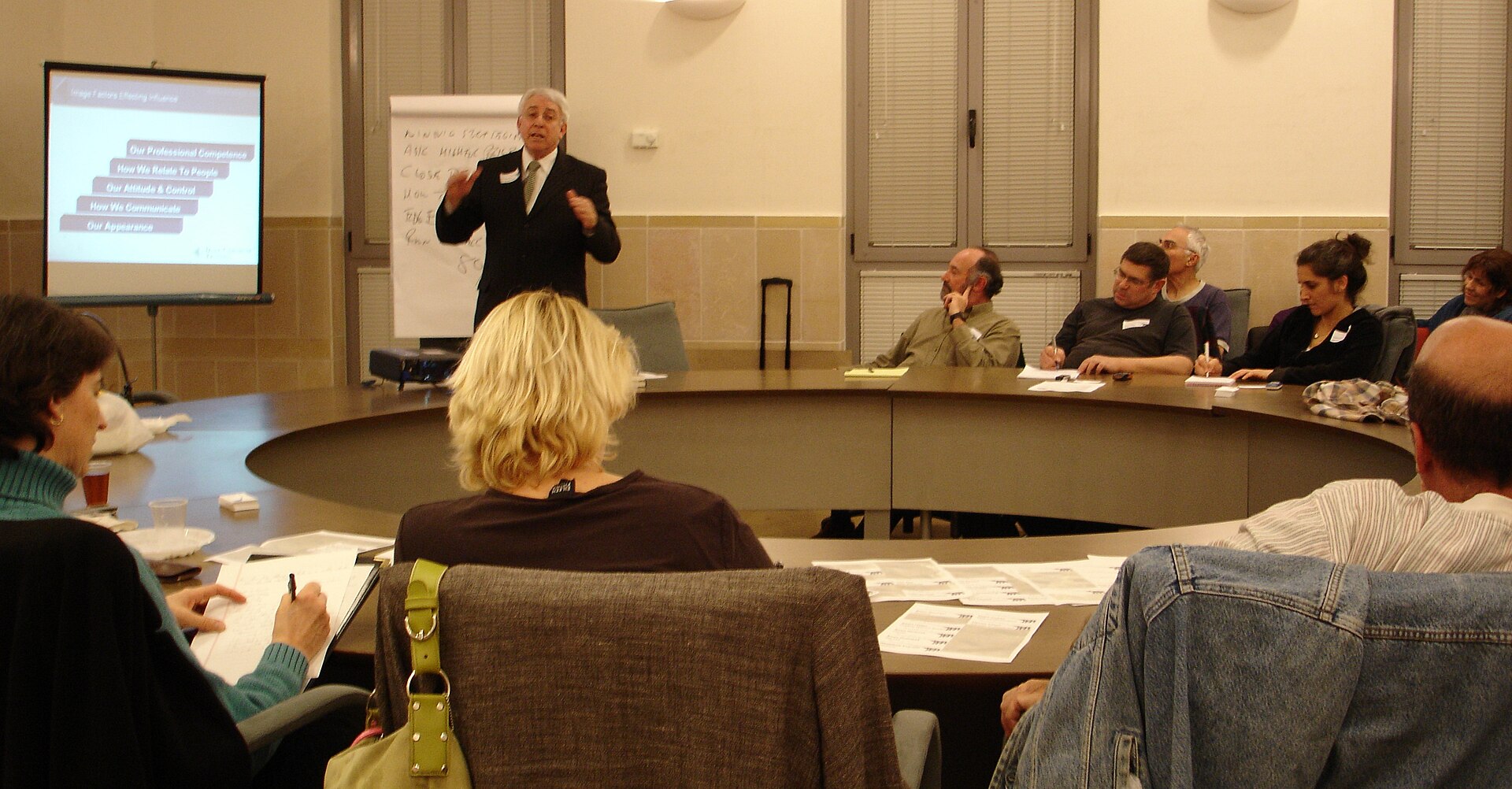
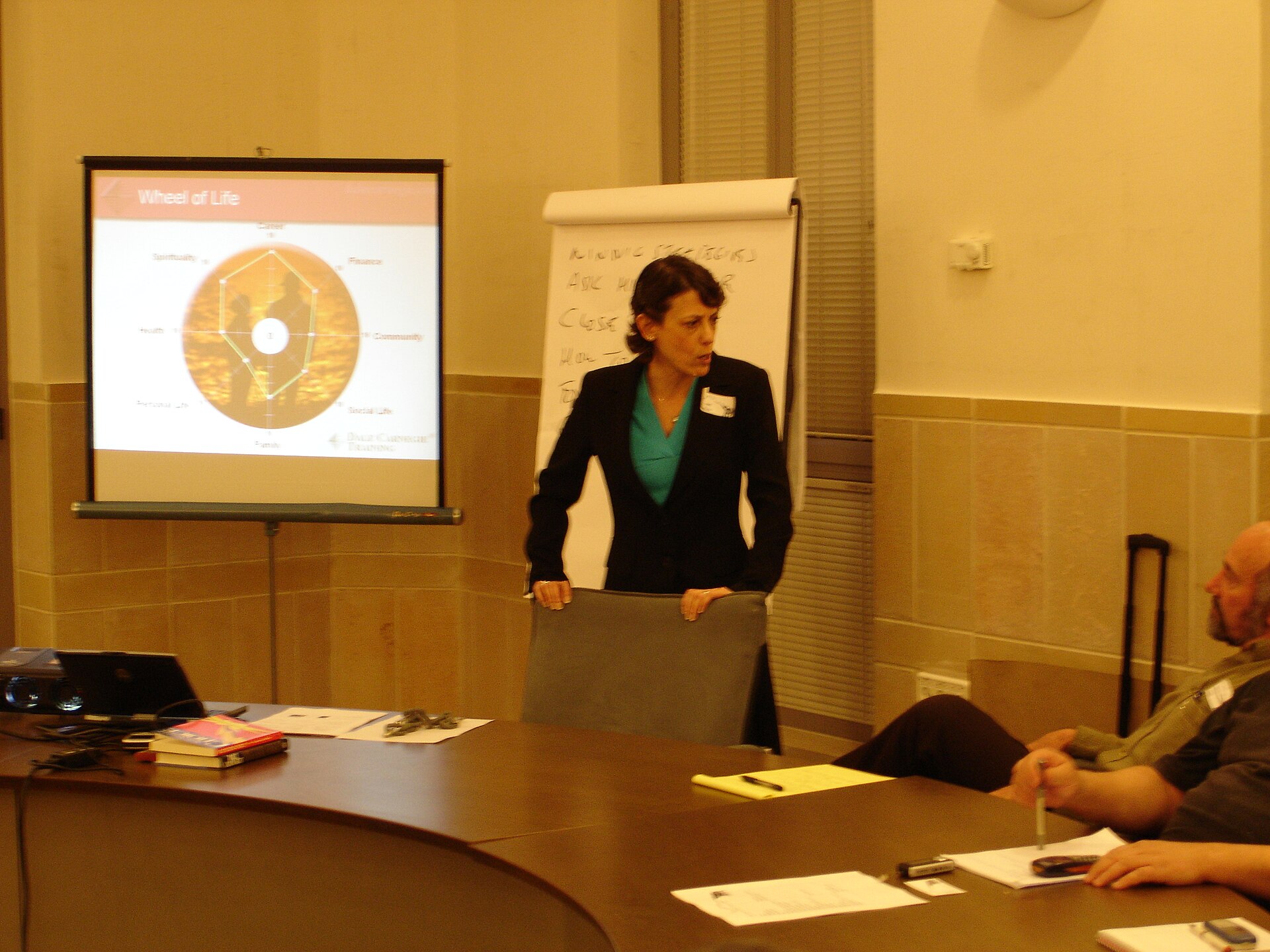
Photo: Unclefeet / CC BY-SA 3.0, via Wikimedia Commons.