Big brands can outspend you, but they can’t outmaneuver you. Guerrilla marketing — a term coined by Jay Conrad Levinson in his 1984 book of the same name — was built specifically for small businesses that need to make noise without a big-agency budget. It relies on surprise, creativity, and smart placement instead of paid reach.
This guide walks through practical, low-cost tactics you can actually execute this month: street-level stunts, sticker and chalk campaigns, local cross-promotions, and the legal and logistical details people usually skip. No invented case studies or padded stats — just tactics you can adapt to your storefront, service business, or market stall.
Quick Answer
The most reliable low-budget guerrilla marketing tactics for small businesses are sidewalk chalk art near your storefront, branded stickers placed with permission at partner locations, pop-up or flash-style activations at high-foot-traffic events, and cross-promotion swaps with nearby non-competing businesses. All of these cost mostly time and a small amount of materials rather than ad spend, and they work best when the stunt is visual enough that people want to photograph and share it.
Low-Cost Tactics You Can Run This Month
Sidewalk chalk art: Chalk is cheap, temporary, and legal on most public sidewalks (always check your city’s rules first). Draw directional arrows leading to your door, an interactive frame people can stand inside for a photo, or a simple eye-catching mural near your entrance. The goal isn’t just decoration — it’s giving passersby a reason to stop and a reason to post it.
Sticker campaigns: A well-designed sticker with your logo or a short, clever line costs very little to print and can travel far beyond your store. Hand them out with every purchase, leave a small stack at the counter of a complementary business, or offer to stick your design on a partner’s packaging (a coffee shop sleeve, a to-go cup, a delivery box) in exchange for doing the same for them.
Street teams and sampling: Show up in person where your customers already gather — farmers markets, transit stops, campus events, festivals, or busy sidewalks near your location. Hand out small samples, discount cards, or branded freebies. This works especially well for food, beverage, beauty, and fitness businesses where people can try something on the spot.
Pop-up or ‘ambush’ activations: Piggyback on an event you didn’t pay to sponsor — a local race, a farmers market, a street fair — by setting up a small branded presence nearby (a table, a costume, a feather flag, free water on a hot day). You get the foot traffic of the event without paying sponsorship fees, as long as you’re not on private/ticketed grounds without permission.
Cross-promotion swaps: Partner with a nearby, non-competing small business that shares your customer base. A yoga studio and a smoothie shop, a barbershop and a coffee roaster, a pet groomer and a dog walker. Trade window space, put each other’s flyers or stickers at the counter, or offer a joint discount. It costs nothing but a conversation and doubles your reach into an audience that’s already primed to trust local recommendations.
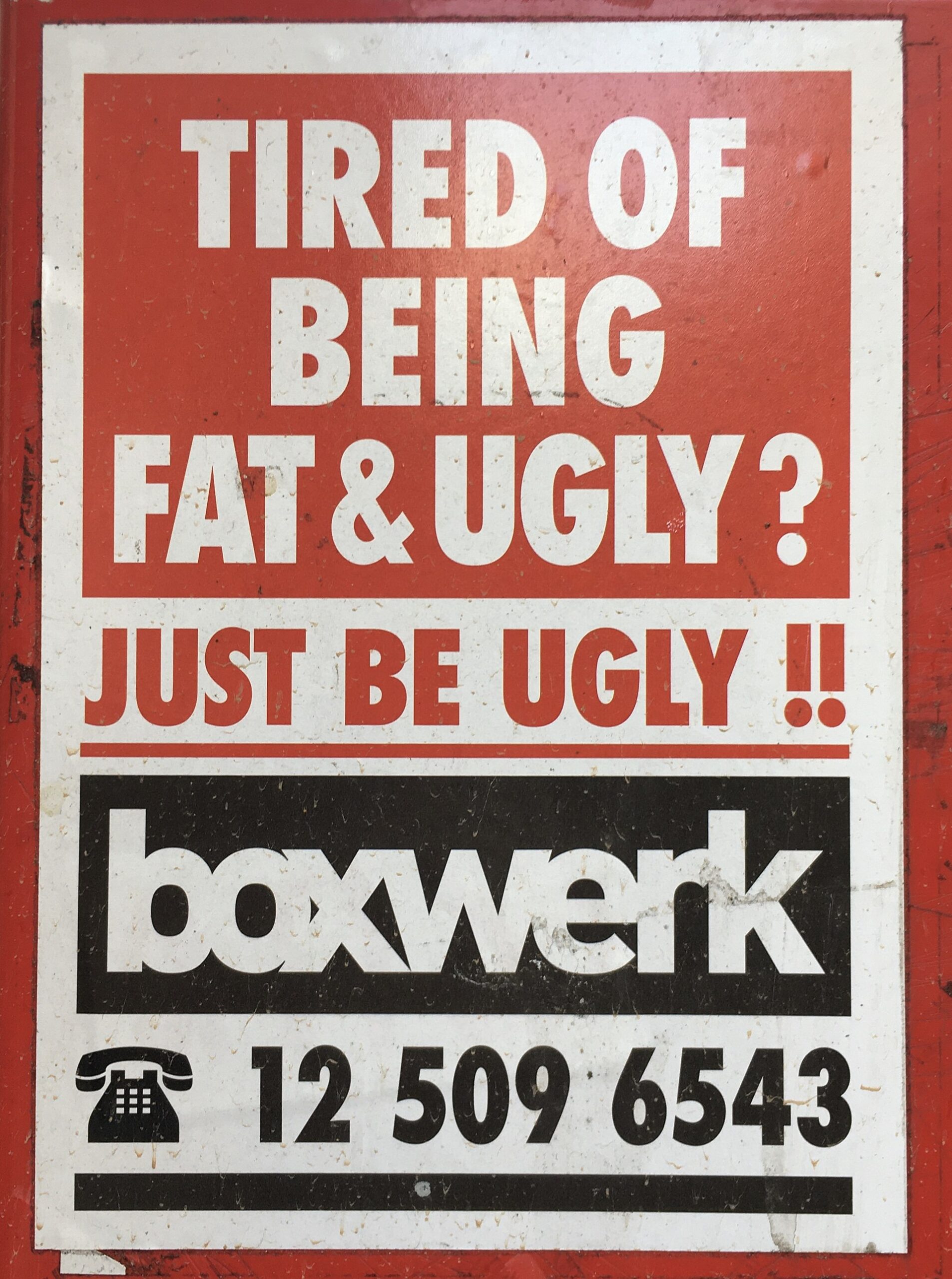
Guerrilla signage and yard-sign style placements: Feather flags, A-frame sandwich boards, or a simple hand-painted sign in a high-visibility spot near (not on) your storefront can pull in walk-by traffic for very little cost. Keep the message to one clear offer or hook — passersby only get a second or two to read it.
Getting the Details Right
Check permits and local ordinances before you chalk a sidewalk, post flyers, or set up a table in a public space — rules vary by city, and a fine or a forced teardown erases whatever goodwill you were trying to build. A quick call to your city’s business licensing office or a look at local sidewalk-vending rules is worth the ten minutes.
Design for the phone camera. The single biggest lever in guerrilla marketing today isn’t the stunt itself, it’s whether someone photographs and shares it. Build in a reason to snap a picture: an interactive element, a bold color, a short clever line, a spot to physically stand inside the display.
Target where your actual customers already are, not just anywhere with foot traffic. A high-volume sidewalk means nothing if the people walking it aren’t your audience — a farmers market skews differently than a university campus or a downtown lunch crowd.
Track what worked with something simple: a discount code tied to the specific stunt, a ‘how did you hear about us’ question at checkout, or a dedicated landing page URL on your flyers and stickers. Without this, you’re guessing which tactic to repeat.
Tips / Common Mistakes
Don’t skip the permission step. Placing stickers on other people’s property, chalking private surfaces, or setting up on ticketed event grounds without asking can get your materials removed and damage relationships you’ll want later.
Don’t make the branding louder than the hook. A stunt that’s obviously ‘just an ad’ gets ignored; people share things that feel clever, generous, or surprising first and branded second.
Don’t run a one-off and call it a strategy. The businesses that get real mileage from guerrilla marketing repeat and refine a handful of tactics — the same chalk spot monthly, an ongoing sticker swap — rather than doing one stunt and stopping.
Don’t ignore weather, timing, and foot-traffic patterns. A flash sampling event on a slow weekday afternoon will underperform the same idea run during a Saturday market or a lunch rush.
Don’t forget a call to action. Every flyer, sticker, and chalk drawing should make it obvious what to do next — visit, scan, use this code — or the attention you generated goes nowhere.
Explore more: More marketing strategies for small businesses.
Guerrilla marketing FAQs
What is guerrilla marketing?
Guerrilla marketing is a low-cost, unconventional promotional approach that uses surprise, creativity, and clever placement instead of paid media to get attention. The term was coined by Jay Conrad Levinson in his 1984 book Guerrilla Marketing, written specifically for small businesses competing against bigger-budget competitors.
How much does guerrilla marketing cost?
Costs vary widely by tactic, but many of the ideas above — chalk art, flyers, cross-promotion swaps, street sampling — can be done for the cost of basic materials like chalk, printed stickers, or small giveaway items, since the real investment is time and creativity rather than ad spend.
Is guerrilla marketing legal?
Most tactics are legal when done on your own property or with permission, but public-space activities like sidewalk chalk, flyering, or pop-up tables can be subject to local permit or vending rules. Always check your city’s ordinances before setting up in a public or shared space.
What’s the easiest guerrilla marketing tactic to start with?
A sticker or cross-promotion swap with a nearby non-competing business is usually the easiest starting point — it requires minimal materials, no permits, and leans on a relationship you can build in a single conversation.
Turn Customers Into Your Growth Engine
Launch a referral program that turns happy customers into your best growth channel — with ReferralEarl. Try ReferralEarl.
Photo: Pittigrilli / CC BY-SA 4.0, via Wikimedia Commons.