
Med spas live and die by word of mouth — a client who loves their results is one of the most persuasive marketing assets you have, far more convincing than any ad. But most med spas leave that word of mouth to chance instead of building a system around it.
This guide walks through how to structure a med spa referral program that clients actually use, what incentives work without crossing legal lines, and the compliance pitfalls that trip up practices that skip the legal review step.

Quick Answer
Build a med spa referral program by offering a simple, reciprocal reward (service credit or a discount for both the referring client and the new client), giving clients an easy way to share it (a referral link, code, or card), and asking at the right moment — right after a great result, not at checkout on visit one. Before you launch, confirm the incentive structure complies with your state’s anti-kickback and fee-splitting rules, since med spa referral rewards are regulated more tightly than typical retail referral programs.
Step-by-Step: Setting Up the Program
Start with the offer. The most common structure is a reciprocal reward: both the referring client and the new client get something of comparable value, such as account credit or a discount toward a future service. Keep it simple enough to explain in one sentence — complicated tiered rewards or point systems tend to confuse clients and reduce participation.
Decide what you’re allowed to offer before you decide what you want to offer. This is the step most med spas skip. Cash payments, gift cards, or discounts tied directly to a referral can run afoul of state anti-kickback or fee-splitting laws, and the rules differ significantly by state — some states restrict referral rewards only when insurance is involved, others (including Texas, New York, Florida, and California) restrict them regardless of payment method. Have a healthcare attorney review your specific structure before launch, not after.
Make it trackable. Use a unique referral code, a dedicated referral link, or a digital/physical card so you can attribute new bookings to the right client and pay out rewards accurately. Many practice management platforms used by med spas include built-in referral or loyalty tracking; if yours doesn’t, a simple unique-code system tracked in your booking software or CRM works fine for a smaller practice.
Automate the ask and the reward. Set up an automated text or email that goes out after a client’s treatment (once results are visible) inviting them to share their referral link, and another that triggers the reward automatically once the referred friend books and completes their first visit. Manual tracking is the most common reason referral programs quietly die — the fewer manual steps for your front desk, the longer the program survives.
Timing, Promotion, and Incentive Ideas
Timing matters more than most practices realize. Asking a brand-new client for a referral before they’ve seen results is asking them to vouch for something they haven’t experienced yet. The better moment is right after a strong result — a glowing post-facial check-in, the follow-up after filler has settled, or a membership renewal — when satisfaction is highest and top of mind.
Promote the program everywhere a client already looks: a card handed over at checkout, a line in your post-visit text, a mention in your monthly email or SMS newsletter, and a dedicated page on your website. The goal is for every client to know the program exists without you having to explain it individually each time.
For incentive ideas that tend to work well in a med spa context: account credit toward a future treatment, a complimentary add-on service (a mini facial, a touch-up), or early access to new treatments or booking slots for repeat referrers. Whatever you choose, keep the value modest and consistent rather than escalating — a program that feels like a transaction rather than a thank-you can undercut the trust that made the referral happen in the first place.
Tips / Common Mistakes
Skipping the legal review is the single biggest mistake — a referral program that violates your state’s fee-splitting or anti-kickback rules can put your medical director’s license at risk, not just result in a fine. Get this checked before you announce anything.
Making the referral mechanism too complicated is the second most common failure point. If a client has to remember a code, fill out a form, and follow up manually, most won’t bother — a shareable link or simple card removes friction.
Don’t only ask once. A single mention at checkout gets forgotten. Reinforce the offer across multiple touchpoints (post-visit follow-up, email newsletter, in-office signage) so it stays top of mind over months, not just the day it launches.
Avoid paying out rewards before confirming the referred client actually completed and paid for their visit — reward on completed bookings, not just first contact, to keep the program financially sustainable.
Explore more: More referral marketing strategies.
Med spa referral program FAQs
Is it legal for a med spa to reward clients for referrals?
It depends on your state. Cash-pay aesthetic practices are generally not covered by the federal Anti-Kickback Statute, but many states have their own anti-kickback or fee-splitting laws that restrict rewarding referrals, and some (including Texas, New York, Florida, and California) apply these restrictions regardless of whether the visit is cash-pay. Confirm your specific structure with a healthcare attorney before launching.
What’s a good reward to offer for a med spa referral?
Reciprocal, moderate-value rewards tend to work best — service credit or a discount toward a future treatment for both the referring client and the new client. Avoid cash payments, which carry more legal risk in most states.
When should I ask a client for a referral?
Right after they’ve seen a strong result from treatment, such as a follow-up visit or check-in call — not at their very first appointment, before they’ve had a chance to judge the outcome for themselves.
How do I track who referred whom?
Use a unique referral code or link per client, tracked through your booking software, CRM, or a dedicated referral tool. This lets you attribute new bookings accurately and automate reward payouts once a referred client completes their visit.
Turn Customers Into Your Growth Engine
Launch a referral program that turns happy customers into your best growth channel — with ReferralEarl. Try ReferralEarl.
Want this in your inbox? Subscribe to the free newsletter.
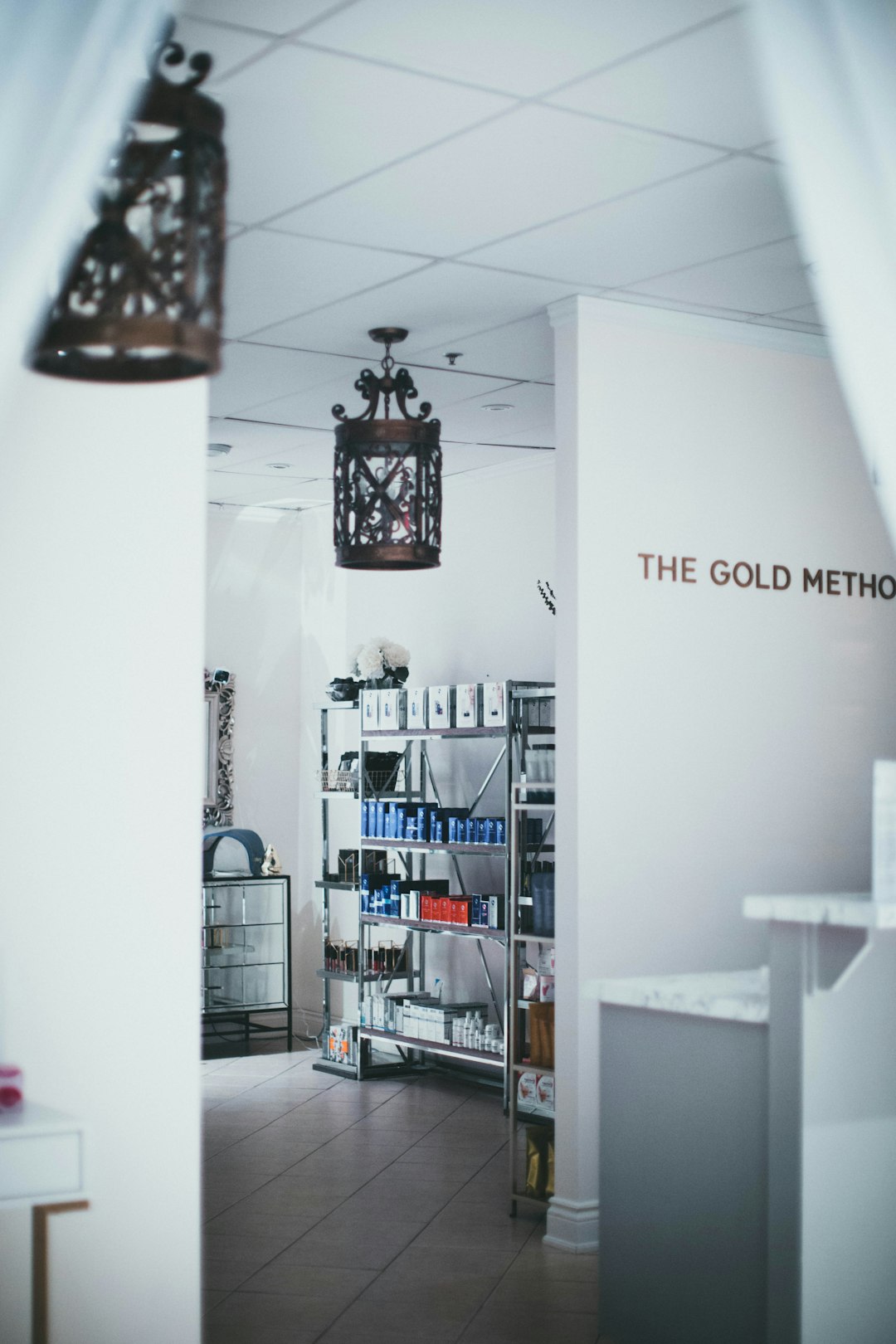
Photo by visualsofdana on Unsplash.










1 thought on “How to Build a Referral Program for a Med Spa”
Comments are closed.