Clients who feel appreciated rebook. Clients who don’t, drift to whichever salon or spa has the next open chair — and a loyalty program is one of the cheapest ways to close that gap, because it costs far less to keep a client coming back than to win a new one through ads or discounting.
This guide walks through the practical steps of building a salon or spa loyalty program from scratch: choosing a format that fits how your clients actually book, setting rewards that feel achievable, picking software (or going old-school with punch cards), and dodging the mistakes that quietly kill most rewards programs before they gain traction.
Quick Answer
To start a salon or spa loyalty program: pick one simple format (punch card, points, or tiers), set a reward that’s earned in roughly 6-8 visits, decide if you’ll run it on paper or through your booking software, tell every client about it at checkout, and track redemptions for a few months so you can adjust before it becomes a permanent fixture.
Step-by-Step: Building the Program
Start by asking your regulars what would actually make them feel valued — a free add-on, early access to booking slots, a birthday treatment — rather than guessing. A program built around what your best clients already say they want will get used; one built around what you assume they want often won’t.
Set a goal you can measure, like increasing rebooking rate or growing average visits per client over a defined period, so you can tell in a few months whether the program is working rather than running it indefinitely on a hunch.
Choose a format. A punch card (visit-based) is the simplest to run and easiest for clients to understand — book a set number of appointments, earn a reward. A points-based program lets you reward spend as well as visits, which works well if you sell retail products alongside services. A tiered program (bronze/silver/gold, or similar) rewards your highest-spending clients with escalating perks and works best for salons and spas with a strong base of frequent, higher-ticket clients. Don’t try to run all three at once — pick the one that matches how your clients actually behave.
Set the reward threshold realistically. A common approach is rewarding a free add-on service (a deep conditioning treatment, a paraffin dip, a brow wax) after 6 to 8 visits rather than a discount off a haircut, with a smaller interim perk around visit 3 or 4 so clients stay engaged through the middle of the cycle instead of forgetting the program exists.
Decide how you’ll track it. Paper punch cards work fine for a single-location salon with a small, loyal base, but they’re easy to lose and impossible to analyze. Most salons and spas that want to scale a loyalty program past a handful of stylists end up tracking it through their booking/POS software instead, since it survives a lost card and gives you data on who’s actually redeeming.
Train your team to mention the program at checkout every time — not just when a client asks. A loyalty program only works if clients know it exists, and word-of-mouth from a single flyer by the register rarely reaches everyone.
Software Options vs. Doing It on Paper
If you already use salon or spa booking software, check what it offers before buying a separate loyalty tool — some platforms build loyalty in natively, while others rely on a partner integration. Vagaro includes points-based rewards tied to bookings, product purchases, and referrals as part of its core scheduling and POS platform. Phorest offers a built-in loyalty module (its ‘Treatcard’ system) across its plans, aimed at driving rebooking and repeat visits. Zenoti includes a native loyalty and rewards module in its platform, letting clients earn points on services, products, and referrals. Mindbody does not build a loyalty or rewards program into its core plans — instead, it partners with Perkville, a separate customer loyalty and referral platform, so clients earn points for bookings, purchases, referrals, and social shares through that connected integration rather than through Mindbody itself. If you’re on Mindbody, budget separately for setting up and running Perkville (or a comparable third-party loyalty tool) rather than assuming rewards come bundled in. Fresha offers loyalty as a paid add-on rather than bundling it into every plan, so it’s worth checking current pricing on Fresha’s site before assuming it’s included.
If you don’t use booking software yet, or run a very small operation, a simple physical punch card or a spreadsheet you update after each visit can work perfectly well to start — the goal is consistency, not sophistication. You can always migrate to software once the program proves it drives repeat bookings.
Whichever route you choose, make sure the tracking method is something your front-desk staff (or you, if you’re solo) will actually keep up with. A loyalty program that’s too much manual work to maintain gets abandoned within a few months.
Tips and Common Mistakes
Keep the reward achievable. If clients need 20 visits to earn anything, most will lose interest long before they get there — shorter cycles with smaller rewards generally outperform big rewards that feel out of reach.
Don’t discount your best service as the reward. Giving away a free haircut trains clients to expect it and cuts into your highest-margin work; a free add-on or retail product protects your margins while still feeling like a genuine perk.
Promote it at every touchpoint — checkout, booking confirmation texts or emails, and social media — not just a sign at the front desk. Clients who don’t know the program exists can’t participate in it.
Review redemption data every few months if you’re using software, or just tally punch cards if you’re doing it by hand. If almost nobody’s reaching the reward threshold, it’s set too high; if everyone reaches it instantly, you’re giving away more than the program is earning back in retention.
Layer in a referral bonus once the core program is running smoothly — rewarding existing clients for bringing in new ones is one of the most cost-effective ways to grow a client base, since referred clients typically already trust the recommendation before they book.
Explore more: more customer loyalty strategies for small businesses.
Hair Salon and Spa Loyalty Programs FAQs
What’s the easiest loyalty program to start for a small salon?
A visit-based punch card is the simplest to set up and explain — no software required, just a card and a stamp or hole punch for every appointment, with a free add-on service as the reward after 6-8 visits.
Should I use points or visits for my loyalty program?
Use visit-based punches if you mainly want to boost rebooking frequency. Use points if you also sell retail products or want to reward higher-spending clients differently than occasional ones, since points can be tied to dollars spent rather than just appointments.
Does my booking software need a separate loyalty add-on?
It depends on the platform. Vagaro, Phorest, and Zenoti build loyalty features into their core plans, while Mindbody does not include a native loyalty program and instead relies on its Perkville integration for rewards, and Fresha charges extra for it — check your specific plan and any required integrations before assuming loyalty is included.
Does Mindbody have a built-in loyalty program?
No. Mindbody does not offer a native rewards or loyalty program within its core plans. Loyalty is handled through Perkville, a separate platform that integrates with Mindbody accounts to let clients earn points for bookings, purchases, referrals, and social shares — so salons on Mindbody need to set up and maintain that integration separately if they want a rewards program.
Turn Customers Into Your Growth Engine
Launch a referral program that turns happy customers into your best growth channel — with ReferralEarl. Try ReferralEarl.
Want this in your inbox? Subscribe to the free newsletter.
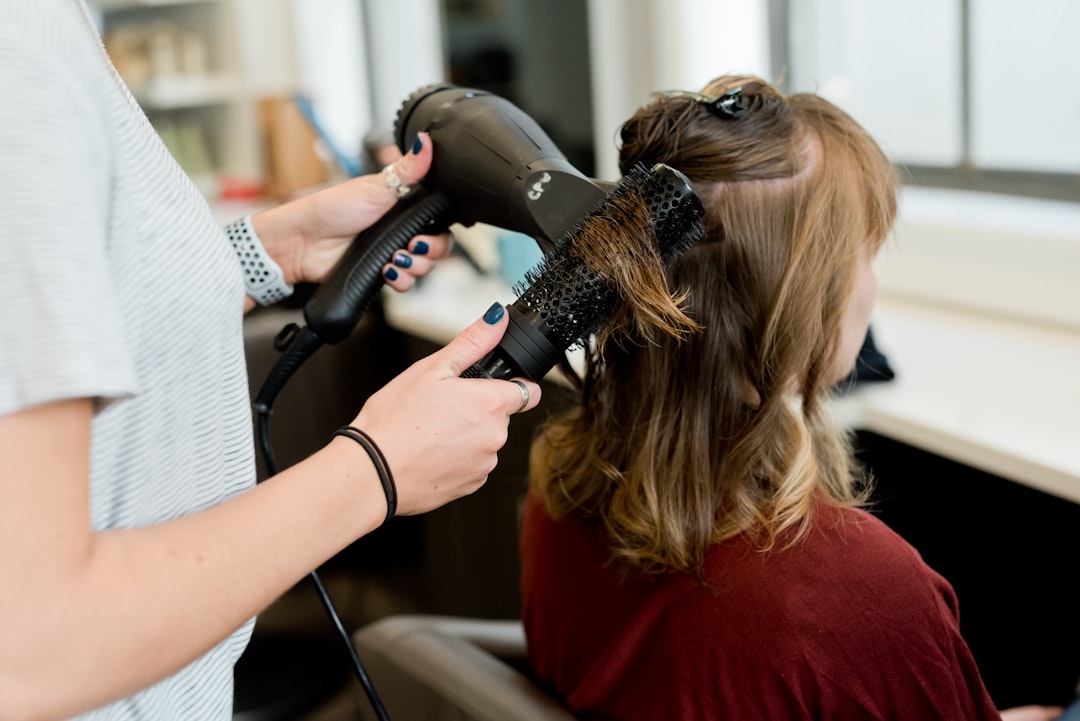
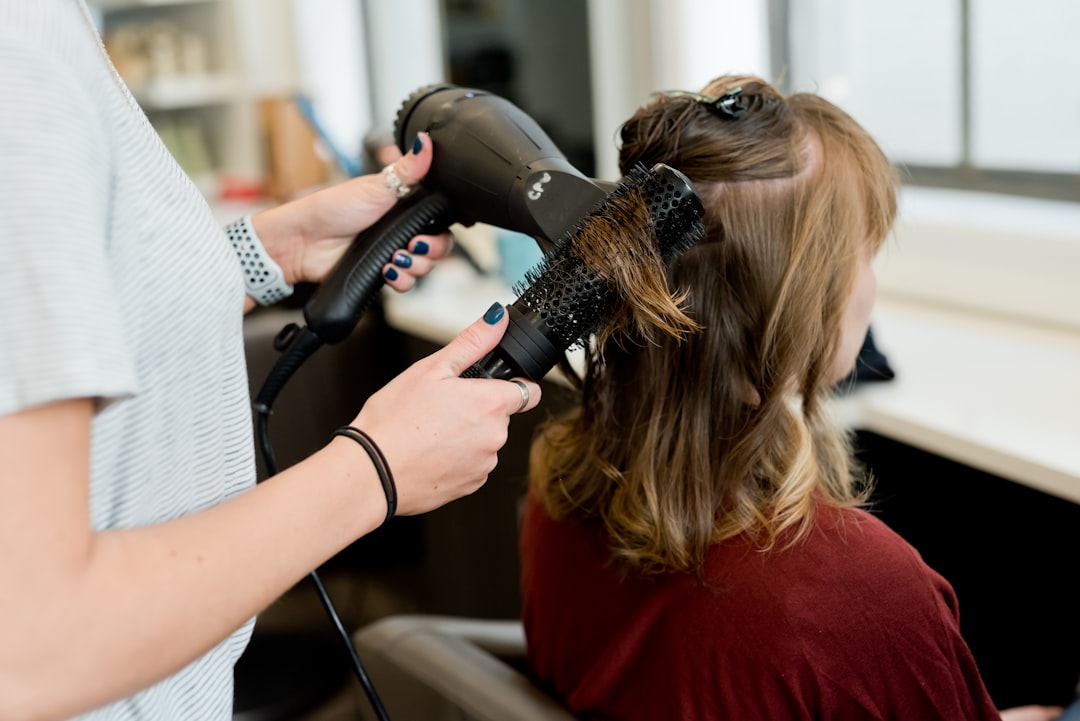
Photo by Adam Winger on Unsplash.