Most loyalty programs are built to bring customers back, but they can just as easily be used to make each visit worth more. If your rewards program only tracks total spend without shaping how customers spend, you’re leaving average order value (AOV) on the table.
This guide walks through the specific loyalty mechanics — spend thresholds, tiered multipliers, redemption triggers, and bundling incentives — that nudge shoppers toward bigger carts, plus common setup mistakes to avoid.
Quick Answer
To raise AOV through a loyalty program, redesign how points and rewards are earned so the biggest incentives kick in just above your current average cart size — for example, bonus points or a reward unlocked at a spend threshold slightly higher than what most customers already spend. Combine that with tiered status levels, time-limited multiplier events, and redemption rules that encourage adding items rather than just cashing out points.
Set Spend Thresholds Just Above Your Current AOV
The single most direct lever is a bonus-points or reward threshold tied to cart value rather than a flat per-dollar rate. Pull your current average order value from your store analytics, then set a ‘bonus tier’ 15-25% above that number — enough to require adding an item or two, not so far it feels unreachable. A message like ‘Spend $10 more to earn double points’ at checkout or in the cart gives shoppers a concrete reason to add one more item.
Many ecommerce platforms and loyalty apps (Shopify, LoyaltyLion, Yotpo, Smile.io, and similar tools) support conditional bonus-point rules or cart-value triggers natively, so this usually doesn’t require custom development — just configuring a rule in your existing loyalty app’s dashboard.
Review and adjust the threshold periodically. As AOV shifts, an outdated threshold either stops mattering (too low) or stops converting (too high).
Use Tiers and Multiplier Events to Reward Bigger Baskets
Where flat points-per-dollar programs mostly drive repeat visits, tiered programs are better at driving bigger baskets, because status and its perks (extra points, early access, free shipping, exclusive products) are worth chasing. Structure tiers so the entry level is reachable within a customer’s first purchase cycle, and the top tier is aspirational — reserved for your highest-value shoppers — so climbing tiers requires spending more per order, not just visiting more often.
Layer in short, scheduled ‘bonus points’ or ‘double points’ events, similar to what beauty and apparel retailers run around new launches or holidays. These create urgency to buy more in a single transaction rather than splitting purchases across multiple smaller orders to chase the same reward.
Pair financial perks (extra points, dollar-off codes) with a few experiential ones (early access to new products, members-only bundles, or free samples with a qualifying order). A mix tends to hold shoppers’ attention better than points alone, and experiential perks are often cheaper to fund than pure discounting.
Turn Redemption Into a Bigger-Cart Moment
How customers redeem points matters as much as how they earn them. If redemption is a simple ‘points = dollars off,’ it does nothing for AOV — it’s a flat discount. Instead, structure redemption so points go further when applied to a bigger order: for example, letting members ‘stack’ points toward a bundle, a gift-with-purchase, or a reward that’s only unlocked above a spend minimum.
Free-shipping thresholds are one of the most reliable AOV tools available, and tying free shipping to loyalty status (rather than giving it to everyone) gives non-members a reason to join and gives members a reason to add items rather than pay for shipping on a small order.
Consider showing members a running progress bar toward their next reward or tier during checkout. Seeing ‘you’re $12 away from a reward’ is a much stronger nudge than a static account page they check separately.
Tips and Common Mistakes
Don’t set your bonus threshold too far above current AOV — if it feels unreachable, shoppers ignore it entirely rather than stretching to hit it.
Avoid rewarding total lifetime spend the same way you reward a single order; if every purchase earns the same flat rate regardless of size, there’s no incentive to buy more in one transaction.
Make progress visible. A points balance buried in an account page does far less work than a visible ‘almost there’ prompt in the cart or at checkout.
Watch how percentage-based rewards behave at the high end. A flat dollar-off or fixed-value reward (like $15 off at a spend threshold, or a free gift) keeps your reward cost capped no matter how large the basket gets, while a percentage-off reward keeps growing in dollar terms as the order grows — a 20% reward on a big basket can quietly eat far more margin than a flat reward tied to the same threshold. Many retailers cap percentage-based loyalty rewards or swap them for a flat-value reward for this reason.
Recalculate thresholds and tier requirements at least once or twice a year — AOV and customer spending habits shift, and a program built around last year’s numbers will under- or over-shoot.
Explore more: Explore more customer loyalty strategies.
Increasing Average Order Value with Loyalty Rewards FAQs
What’s the fastest change I can make to lift AOV with my existing loyalty program?
Add a single spend-based bonus (e.g., extra points or a small perk) set just above your current average order value, and surface it in the cart with a ‘spend $X more to unlock’ message. It requires no new tiers or redesign, just a threshold rule in your loyalty platform.
Do points-based programs or tiered programs work better for increasing AOV?
Points-per-dollar programs are good at bringing people back, but tiered programs — where reaching a higher status requires higher spend — tend to be more effective specifically at growing order size, since the reward is tied to spend level rather than just purchase frequency.
Should free shipping thresholds be part of a loyalty strategy?
Yes. Reserving free shipping for loyalty members above a spend threshold does double duty: it’s an incentive to join the program and an incentive to add items to reach the threshold, both of which support AOV.
Will offering bigger rewards hurt my margins?
It depends on how the reward is structured. A flat, capped reward — a fixed dollar amount off or a free gift at a spend threshold — keeps your cost predictable no matter how large the order gets. A percentage-off reward, by contrast, grows in dollar terms as the basket grows, so it can erode margin more on your biggest orders. Tying rewards to a spend threshold with a flat payout is usually the safer default for protecting margin.
Turn Customers Into Your Growth Engine
Launch a referral program that turns happy customers into your best growth channel — with ReferralEarl. Try ReferralEarl.
Want this in your inbox? Subscribe to the free newsletter.
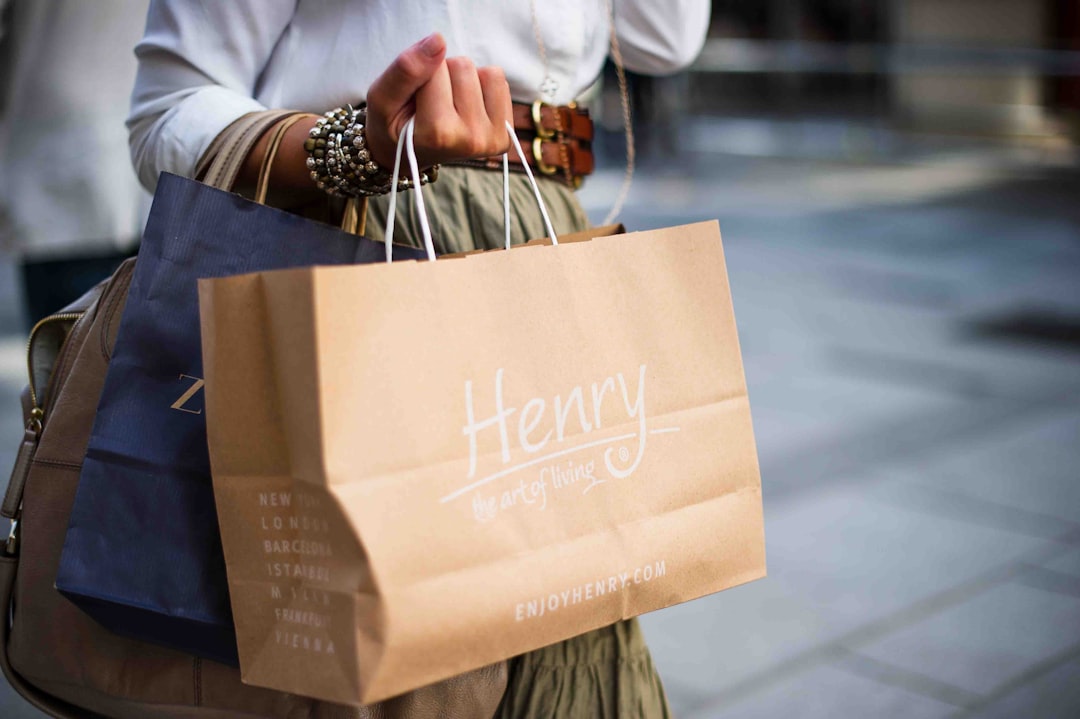
Photo by Jacek Dylag on Unsplash.