Big loyalty programs and expensive gift baskets aren’t what keep customers coming back — consistency and genuine attention usually matter more. Some of the most effective customer appreciation tactics cost almost nothing: a handwritten note, a first-name greeting, or a small surprise at the right moment.
This guide walks through practical, low-budget ways to show customers you value them, why each one works, and the mistakes that quietly undermine goodwill even when the gesture itself is generous.
Quick Answer
The lowest-cost, highest-impact customer appreciation ideas are handwritten thank-you notes, surprise-and-delight perks (a free add-on or unexpected discount), simple punch-card or points-based loyalty programs, referral rewards for existing customers, and early access to new products or sales. None require a big budget — they require consistency and a bit of personalization.
Everyday Gestures That Cost Little But Are Remembered
Handwritten notes are one of the simplest tactics available and still one of the most effective, especially for service businesses and higher-ticket purchases, because a note takes real time and signals the customer was worth that time. Keep a stack of cards at the register or desk and jot a line referencing something specific about the purchase or conversation — generic thank-yous read as an afterthought, specific ones don’t.
‘Surprise and delight’ gestures work the same way: an unannounced free coffee, a complimentary side, a small upgrade, or double loyalty points on a random visit. Because the customer didn’t expect it, the reward carries more emotional weight than the same discount offered upfront ever would.
First-name greetings, remembering a regular’s usual order, and acknowledging birthdays or account anniversaries are free but require a system — a CRM note, a spreadsheet, or even a habit of jotting details after each interaction — so the gesture doesn’t rely on memory alone.
Structured Programs That Reward Repeat Business
A punch card or simple points-based loyalty program formalizes appreciation without much overhead: buy nine coffees, get the tenth free, or earn points redeemable for discounts. It doesn’t need software — a stamped card works fine for a single-location business, though a free or low-cost loyalty app makes tracking easier once you have more than a handful of regulars.
Referral rewards turn your most satisfied customers into a marketing channel. Offer a discount, credit, or small gift to both the referrer and the new customer — rewarding both sides encourages the referral without making it feel transactional or one-sided.
Exclusive or early access is another low-cost lever: let loyal customers see new products, book appointments, or access sale pricing before the general public. It costs nothing beyond a scheduling adjustment but signals status and priority, which is often what keeps repeat customers from drifting to a competitor with a lower price.

Tips and Common Mistakes
Personalize whenever possible — a note or email that references the specific product, service, or interaction lands far better than a templated ‘thanks for your business.’ Keep gestures consistent rather than one-off; a single appreciation event does less for retention than small recurring touches spread across the year.
A common mistake is making the gesture feel like a sales pitch — attaching a coupon to every thank-you note or turning a birthday message into an upsell undercuts the sincerity that made it work in the first place. Another is inconsistency: rewarding one regular customer publicly while ignoring others of similar tenure can feel unfair rather than appreciative, so keep criteria simple and apply them evenly. Finally, don’t let a loyalty program get so complex that customers can’t tell what they’re earning or how to redeem it — simplicity usually beats sophistication for small businesses.
Explore more: More marketing strategies for small businesses.
Low-Cost Customer Appreciation Ideas FAQs
What is the cheapest way to show customer appreciation?
A handwritten thank-you note is typically the lowest-cost option — it requires only a card, a stamp, and a few minutes, but it consistently stands out because so few businesses still do it.
Do small businesses need a formal loyalty program?
No. A simple punch card or a habit of surprise perks and personal recognition can build loyalty just as effectively as a points-based app, especially for single-location or service-based businesses.
How often should customer appreciation gestures happen?
Spread them out rather than concentrating them in one event. Small, recurring touches — a note after a purchase, an occasional surprise perk, early access to a sale — build loyalty more reliably than a single annual appreciation day.
Can referral rewards double as customer appreciation?
Yes. Rewarding both the referring customer and the new customer treats the referral as a favor worth thanking, rather than just a marketing transaction, which reinforces loyalty on both sides.
Turn Customers Into Your Growth Engine
Launch a referral program that turns happy customers into your best growth channel — with ReferralEarl. Try ReferralEarl.
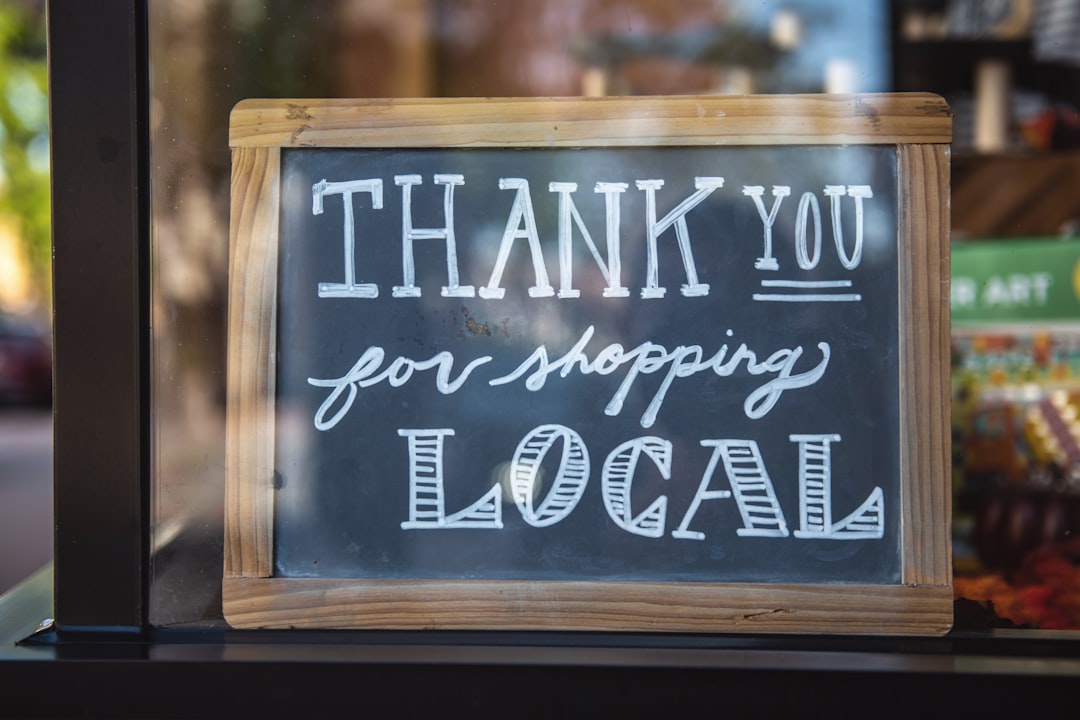
Photo by Tim Mossholder on Unsplash.