Free punch cards and points programs are everywhere, so it’s tempting to wonder whether charging customers for loyalty could actually work better. Amazon Prime, Costco, and REI Co-op have trained shoppers to expect real value from a paid membership, and a growing number of small businesses are testing scaled-down versions of the same idea.
This guide walks through how paid loyalty programs actually work, when they make sense for a small business, and the mistakes that sink them. By the end you’ll have a clear framework for deciding whether to charge for loyalty or stick with a free program.
Quick Answer
Paid membership loyalty programs work best for small businesses with frequent repeat purchases, a loyal core customer base, and perks generous enough that members feel they’re getting a deal from day one. They’re riskier than free programs because you’re asking customers to pay upfront before they’ve experienced the value, so they suit an established business more than a brand-new one.
How Paid Loyalty Programs Work
A paid loyalty program charges customers a recurring or one-time fee in exchange for ongoing perks, usually a standing discount, free shipping or delivery, early access to sales, or bundled services. Costco’s Gold Star membership runs $65 a year and Executive membership $130 a year with 2% back on purchases; Amazon Prime is $139 a year for free shipping, streaming, and other perks; REI Co-op sells a one-time $30 lifetime membership with an annual dividend back on eligible purchases. The common thread is that each program is built around a business the customer already shops at often, so the math on ‘will this pay for itself’ is easy for the customer to do in their head.
The psychology matters as much as the math. Once someone pays for a membership, they feel invested and are more motivated to shop with you specifically so the fee ‘pays off’ — a dynamic loyalty marketers call the sunk-cost or endowment effect. That’s the upside. The downside is you’re asking for money before trust is fully built, which is a much harder sell than a free points program that costs the customer nothing to join.
When a Paid Model Makes Sense for a Small Business
Paid programs tend to work when a few conditions line up. First, customers already buy from you repeatedly and predictably — a pet supply store, a coffee shop, a barbershop, or a boutique gym are better candidates than a business people visit once a year. Second, you can offer a perk that’s genuinely worth more than the fee, such as a standing discount on every purchase, a free service bundled in, or member-only pricing on things customers already buy. Third, you already have a base of regulars who like you enough to say yes to a small fee — a pet store called Tomlinson’s Pet Club, for example, charges $10 a year for 10% off pet food plus member-only events and specials, a price low enough that regulars try it without much hesitation.
If your business is newer, has irregular repeat visits, or competes mainly on being the cheapest option in town, a free tiered or points-based program is usually the safer starting point. You can always test a paid tier later once you know which customers are loyal enough to pay for more.
A simple way to pressure-test the idea: calculate what an average regular customer spends with you in a year, then design a membership fee and perk that clearly pays for itself within their first one or two visits after joining. If you can’t make that math obviously favorable to the customer, the fee will feel like a tax rather than a deal, and signups will stall.
Tips and Common Mistakes
Price the fee low enough that it’s an easy yes — most successful small-business paid memberships sit in the range of a single visit’s cost, not a major purchase. Make the value obvious immediately, ideally with a welcome perk members can use on day one, rather than benefits that only show up after months of use. Keep the program simple: one membership tier with a couple of clear, valuable perks beats a complicated points-and-tiers system for a small operation with limited staff to administer it.
Common mistakes include launching a paid program before building a base of repeat customers, underpricing the perks so the business loses money on every member, and overcomplicating redemption so staff or customers get confused at checkout. Also track renewal rates from day one — a paid program that people don’t renew is really just a one-time discount with extra steps, not a loyalty program.
Explore more: More customer loyalty program strategies.
Paid membership loyalty programs FAQs
Is a paid loyalty program better than a free one for a small business?
Not universally — paid programs tend to produce more engaged, higher-spending members, but they convert a smaller share of your customer base since you’re asking for money upfront. Free programs get more signups but often less commitment. Many businesses start free and layer in a paid tier once they know who their regulars are.
How much should a small business charge for a paid membership?
There’s no fixed number, but successful small-business examples tend to price low — often around the cost of a single visit or purchase per year — so the decision feels easy and the perks clearly outweigh the fee within the first couple of uses.
What perks work best in a paid loyalty program?
A standing percentage discount on regular purchases, free or discounted shipping/delivery, a bundled service that’s normally paid separately, and early or exclusive access to sales or new products tend to perform best because customers can immediately picture the value.
Can a new business launch a paid loyalty program right away?
It’s riskier. Paid programs work best once you already have a base of repeat customers who trust the business, since you’re asking them to pay before they’ve fully experienced the value. Most small businesses build a free program first and introduce a paid tier later.
Turn Customers Into Your Growth Engine
Launch a referral program that turns happy customers into your best growth channel — with ReferralEarl. Try ReferralEarl.
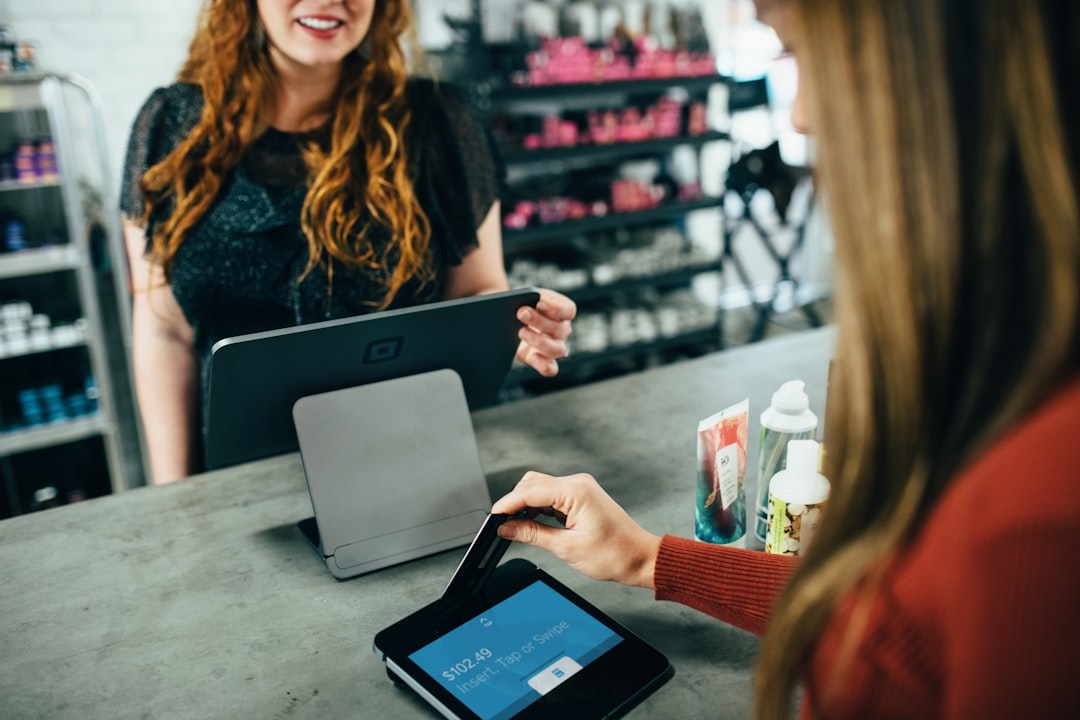
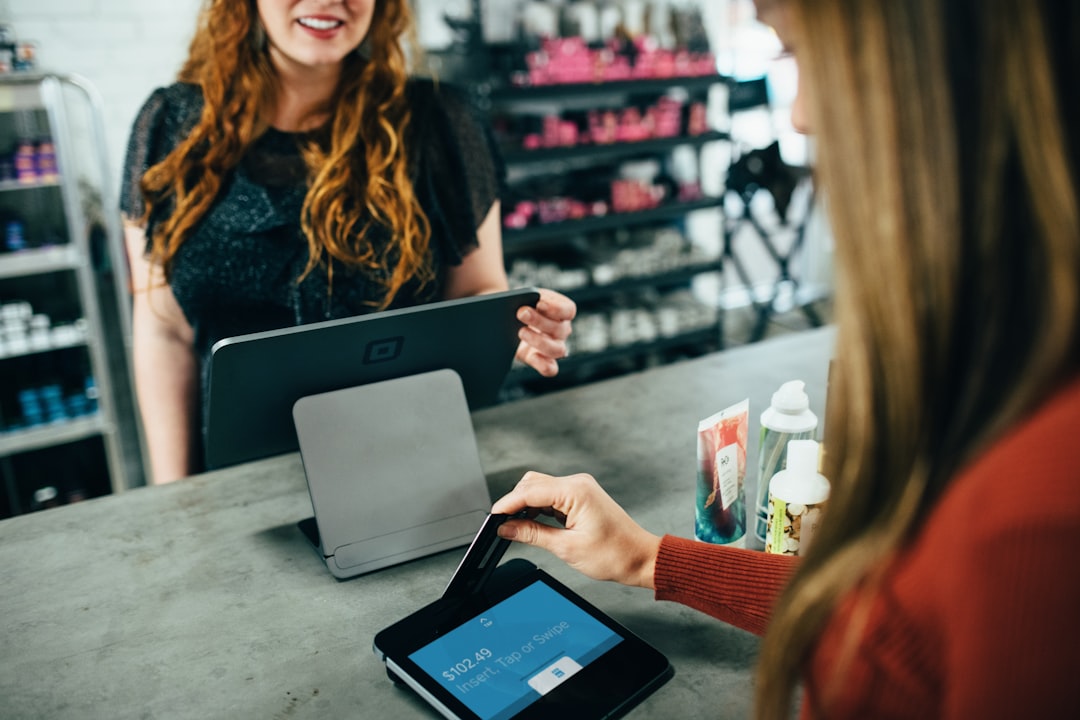
Photo by Blake Wisz on Unsplash.