Word of mouth has always driven giving — most donors first hear about a cause from someone they trust, not an ad. A structured referral program simply gives that natural behavior a system: clear asks, easy sharing tools, and recognition for supporters who bring others in.
This guide walks through how to set up a donor referral program from scratch, what incentives actually fit a nonprofit’s culture, which channels to use, and the mistakes that quietly kill most referral efforts before they gain traction.
Quick Answer
Start by identifying your most engaged donors and volunteers, give them a simple, trackable way to refer new supporters (a personal link, code, or form), make the ask explicit rather than hoping it happens organically, and recognize or lightly reward people who refer — then promote the program consistently through email, social, and in-person touchpoints.
How to Build a Donor Referral Program Step by Step
Confirm you’re actually referable first. Before building any program, make sure current donors are genuinely satisfied and already talk about your mission informally — a referral program amplifies existing goodwill, it doesn’t create it from nothing.
Identify your advocates. Start with major donors, long-time members, recurring volunteers, and board members rather than blasting the request to your entire list at once. These are the people most likely to have networks that overlap with your ideal donor profile, and their referrals tend to convert better because the relationship is stronger.
Create a low-friction way to refer. This can be as simple as a personalized email template, a shareable link tied to a landing page, a referral code entered at checkout on your donation form, or a short physical card volunteers can hand out at events. The easier it is to share in one tap, the more it gets used.
Make the ask directly. Don’t rely on a vague mention in a newsletter footer. Ask specific people, explain exactly what you’re hoping they’ll do (share with three friends, forward this email, mention it at their next meetup), and tell them why it matters to the mission.
Promote the program on repeat. Use email campaigns, social posts, your website, event signage, and volunteer briefings to keep the program visible — referral programs fade fast when they’re mentioned once and forgotten.
Track and follow up. Use a referral code, unique link, or a simple “how did you hear about us” field on your donation and volunteer sign-up forms so you can see which supporters are actually driving new donors, then thank them personally.
Incentives and Channels That Work for Nonprofits
Incentives for nonprofit referrals usually skew toward recognition and experience rather than cash, since cash rewards can feel at odds with a giving mission and may raise compliance questions. Common options include a personal thank-you note or call from leadership, public recognition in a newsletter or annual report, branded merchandise, event tickets, a behind-the-scenes tour or meet-and-greet with program staff, or — for peer-to-peer fundraising campaigns specifically — matching a referred gift with a small bonus donation from the organization.
Match the incentive to the type of referral you’re asking for. A one-time individual donor referral might only need a warm thank-you, while recruiting someone to become a recurring monthly donor or a peer-to-peer fundraiser justifies a bigger gesture, since the lifetime value to the organization is higher.
Channel-wise, email remains the highest-converting way to activate existing supporters because it reaches people who already opted in. Pair it with social sharing (Facebook, Instagram, LinkedIn) using ready-made graphics and captions so advocates don’t have to write their own pitch, and don’t overlook in-person moments — events, galas, and volunteer shifts are natural places to hand someone a referral card or ask them directly.
If you run seasonal peer-to-peer fundraising campaigns, the referral mechanic is often built in already: each participant’s personal fundraising page functions as a referral link to their network. Treat program alumni and top fundraisers from past campaigns as your first wave of referral advocates for the next one.
Tips and Common Mistakes
Don’t launch a referral program without a way to track where new donors came from — without attribution, you can’t tell what’s working or thank the right people, and the program will quietly wither.
Avoid asking your entire donor list at once with no segmentation. Recently lapsed or one-time donors are far less likely to refer than committed recurring donors and board members, so lead with the people most invested in your mission.
Keep the referral ask specific and easy to act on immediately — ‘share our mission’ is vague; ‘forward this email to one friend who cares about [cause]’ is actionable.
Say thank you every time, even for referrals that don’t convert into a gift. Supporters who feel appreciated keep referring; supporters who refer into a void stop trying.
Resist over-incentivizing. Rewards that feel transactional (large cash payouts, aggressive multi-tier bonuses) can undermine trust in a mission-driven organization — keep incentives modest and values-aligned.
Explore more: More referral marketing guides.
Nonprofit donor referral programs FAQs
What is a nonprofit referral program?
It’s a structured effort to encourage existing donors, volunteers, and supporters to recommend the organization to people in their network, usually supported by a simple tracking mechanism (a link, code, or form) and some form of recognition or reward for the referrer.
Do referral incentives have to be cash?
No — most nonprofits use non-cash recognition such as thank-you notes, public shout-outs, branded merchandise, event access, or small matching donations rather than cash payouts, which can feel at odds with a giving-focused mission.
How is a referral program different from peer-to-peer fundraising?
Peer-to-peer fundraising asks supporters to actively raise money on the organization’s behalf through personal campaign pages, while a referral program more broadly asks supporters to simply introduce or recommend the organization to people they know — the two often overlap and can reinforce each other.
Turn Customers Into Your Growth Engine
Launch a referral program that turns happy customers into your best growth channel — with ReferralEarl. Try ReferralEarl.
Want this in your inbox? Subscribe to the free newsletter.
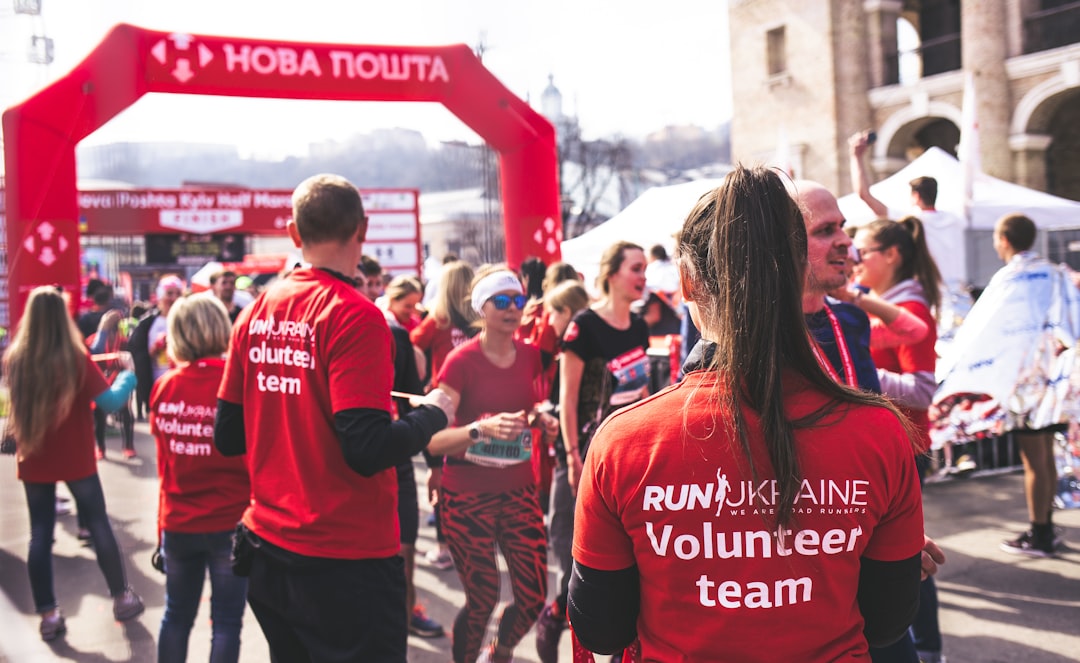
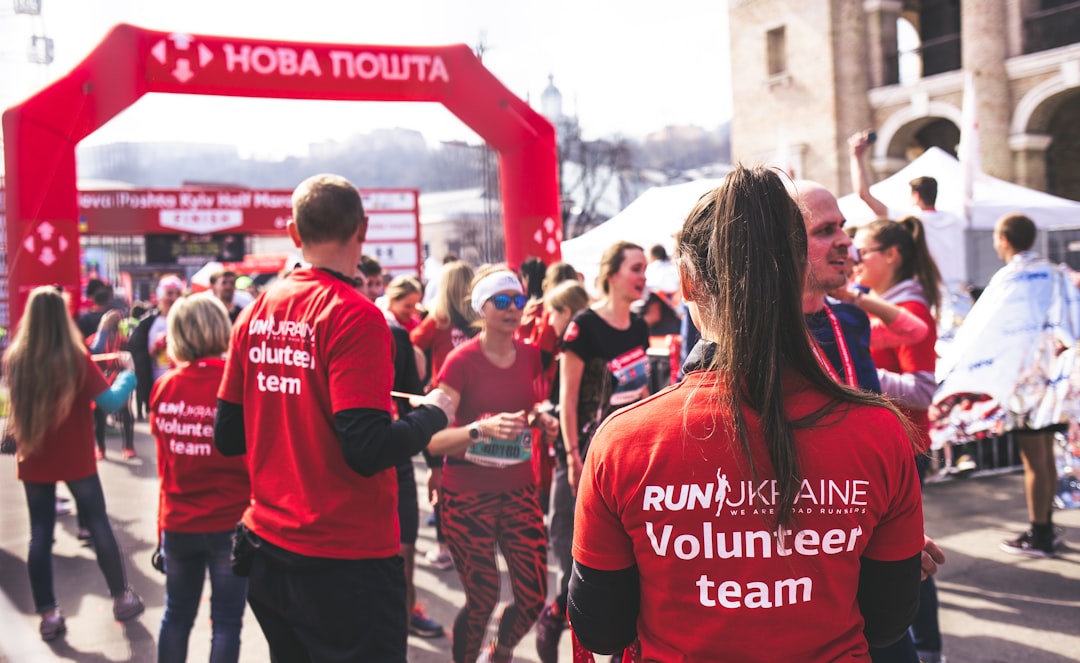
Photo by Roman Synkevych on Unsplash.