A one-star review feels like a gut punch, but it’s also one of the few moments a customer hands you a live shot at winning them back in public. How you respond in the next day or two often matters more to future customers than the complaint itself.
This guide walks through a practical process for handling negative reviews so they become loyalty opportunities instead of open wounds: what to do in the first hour, how to write a reply that works for both the reviewer and everyone reading it later, and the mistakes that turn a fixable situation into a lasting black mark.

Quick Answer
Respond quickly, acknowledge the specific problem, apologize without excuses, offer a concrete fix, and move the details to a private channel. Handled well, a resolved complaint can leave a customer more loyal than if nothing had gone wrong at all — this is sometimes called the service recovery paradox. The reply also becomes marketing copy for every future customer who reads it before booking.
The Step-by-Step Process for Responding to a Negative Review
Reply fast, but not reflexively. Aim to respond within a day or two, not weeks — an unanswered negative review sitting at the top of your profile becomes the default impression of your business for everyone who visits in the meantime. Fast doesn’t mean rushed: read the review twice before typing anything, especially if you’re annoyed.
Acknowledge the specific complaint, not a generic version of it. ‘Sorry you had a bad experience’ reads as a form letter. Naming the actual issue — a late delivery, a rude interaction, a billing error — shows you actually read what they wrote and takes ownership of the real problem.
Apologize without hedging or arguing. Even if the customer got a detail wrong or shares some blame, the public reply is not the place to litigate it. Say sorry for their experience, skip the ‘but,’ and save any factual correction for the private conversation.
Offer a specific next step, not a vague promise. ‘We’d like to make this right — please email us at [address] with your order number’ gives the reviewer (and everyone reading) something concrete rather than an empty ‘we take this seriously.’
Take the details offline. Public replies should stay short and professional; the actual troubleshooting, refund, or replacement conversation belongs in a phone call, email, or DM where you can share account specifics without exposing them publicly.
Follow through, then ask for an update. If you resolve the issue, many customers will edit their review or add a comment once they’re satisfied — but only if you actually deliver on what you promised and check back in.
Turning the Fix Into an Actual Loyalty Moment
The reply is table stakes; the recovery is what builds loyalty. Going a step beyond the minimum fix — a personal follow-up call, a small credit or free replacement, a handwritten note — is what tends to convert an angry customer into someone who defends your business to others. It doesn’t need to be expensive; it needs to feel personal and specific to their situation.
Give frontline staff room to solve small problems on the spot. If every complaint has to escalate through three layers of approval before anyone can offer a refund or a discount, you lose the speed that makes recovery effective. Even a simple policy — ‘staff can comp up to a certain amount without asking’ — keeps resolution fast.
Don’t treat this as a strategy for repeat failures. Recovering well from an occasional mistake can genuinely deepen loyalty, but the same customer hitting the same problem twice reads as negligence, not a fluke, and no reply template fixes that. Track the recurring complaints in your reviews as a signal to fix the underlying process.
Use the pattern in your replies, not just the incident. If several reviews point to the same friction point (slow checkout, confusing returns, a specific product defect), say so publicly once you’ve fixed it: ‘We heard this from a few customers and changed X.’ It shows the reviews are actually driving improvement, not just being managed.
Tips and Common Mistakes
Don’t get defensive or argue facts in public — even if you’re right, a public back-and-forth makes your business look combative to everyone else reading, not just the original reviewer.
Don’t copy-paste the same reply on every review. Repeated boilerplate is easy to spot and signals nobody is actually reading the feedback.
Don’t offer to fix things privately and then drop the thread. A promised follow-up that never happens does more damage than the original review, since now the reviewer has proof you don’t follow through.
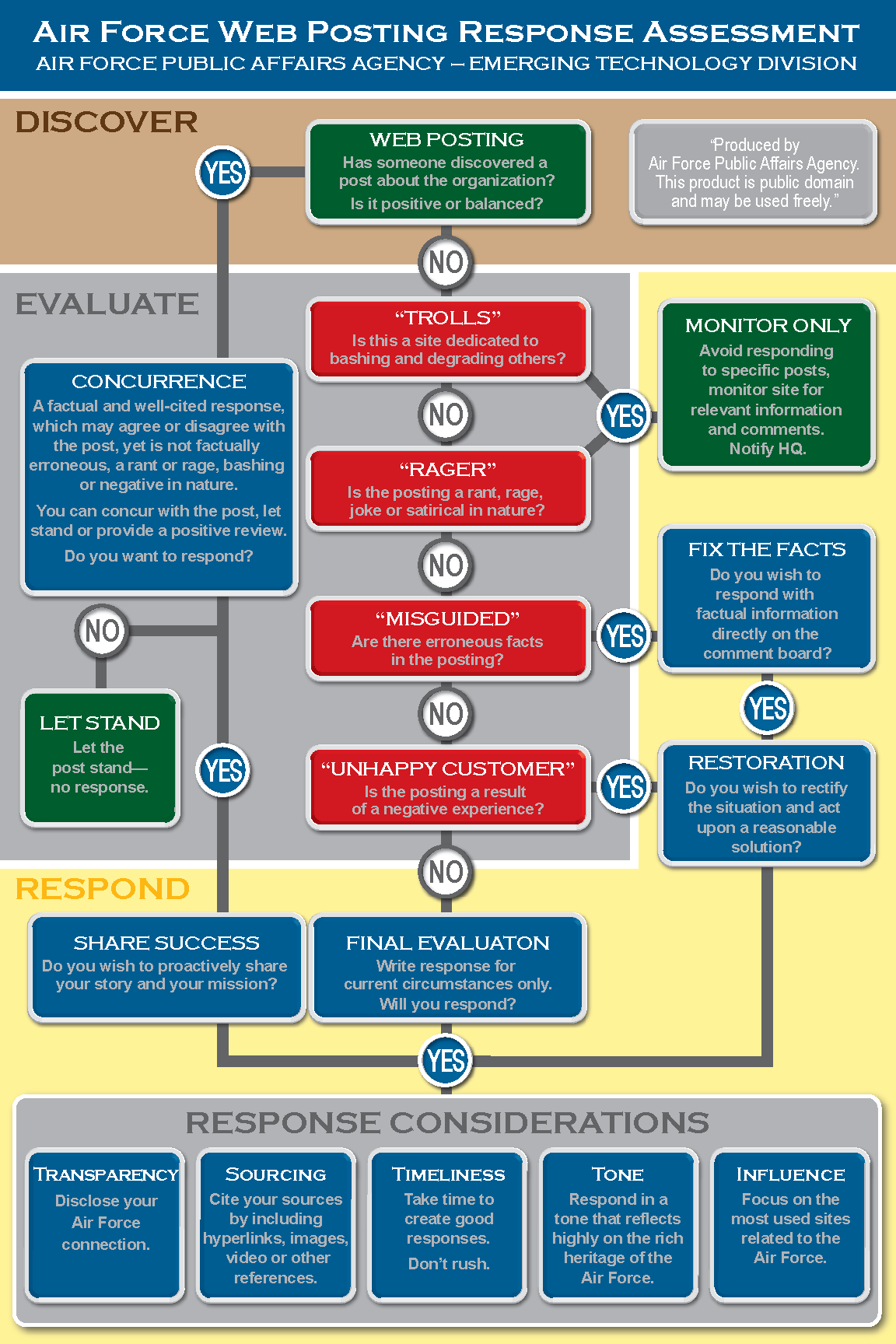
Don’t ignore reviews that seem unfair or fake. Respond calmly and factually for the benefit of future readers, and use the platform’s official process to flag reviews that clearly violate its policies (fake reviews, personal attacks, conflicts of interest) rather than arguing it out in the reply.
Don’t wait for a perfect, lawyer-approved response. A quick, human, imperfect reply posted the same day usually beats a polished one posted a week later.
Explore more: More customer loyalty strategies.
Turning negative reviews into loyalty FAQs
Should I respond to every negative review, even really unfair ones?
Yes. A calm, factual public reply protects your reputation with future readers even if the original reviewer never engages further. Reserve reporting/flagging for reviews that clearly break the platform’s rules, such as fake reviews or personal attacks unrelated to an actual transaction.
Can responding to a negative review actually make a customer more loyal?
It can. This is often called the service recovery paradox: a customer whose problem is resolved well can end up more satisfied and loyal than if nothing had gone wrong. It depends on a fast, sincere, specific response followed by an actual fix, not just an apology.
How fast should I reply to a negative review?
As soon as practical, ideally within a day or two. The longer a negative review sits unanswered, the longer it stands as the top impression of your business for anyone checking your profile.
Should I offer a refund or discount in the public reply?
Keep specific compensation offers out of the public reply when possible. Acknowledge the issue publicly and invite the customer to a private channel (email, phone, DM) to work out refunds, credits, or replacements, so you’re not setting a public precedent for every future complaint.
Turn Customers Into Your Growth Engine
Launch a referral program that turns happy customers into your best growth channel — with ReferralEarl. Try ReferralEarl.
Want this in your inbox? Subscribe to the free newsletter.
Photo: Photograph by KISS-PÁL – Werbeagentur . Internetagentur, commissioned by Stadtwerke Wasserburg a. Inn / CC BY-SA 4.0, via Wikimedia Commons.