If you’ve ever asked a happy customer to “tell a friend” and then tried to track who actually did, you already know the problem referral program software solves. Doing referrals by hand — unique discount codes in a spreadsheet, manual reward payouts, guessing which customer sent who — breaks down fast once you have more than a handful of advocates.
This guide explains what referral program software actually does under the hood, what it typically costs, and how to tell whether your business is ready for it or better off starting with a simpler manual process.
Quick Answer
Referral program software is a tool that gives your customers or partners a unique trackable link or code, automatically credits them when someone they refer converts, and pays out the reward — without you manually matching orders to referrers in a spreadsheet. You need one once manual tracking starts costing you more time than the program earns in new customers, usually somewhere after you’re running more than a few dozen referrals a month.
What Referral Program Software Actually Does
At its core, the software handles four jobs that get tedious and error-prone to do by hand. First, it generates a unique referral link or code for every advocate who joins your program, so you can tell exactly who sent which new customer your way. Second, it tracks the full path from click to purchase — when the referred friend clicks the link, lands on your site (often with the offer pre-applied), and completes a qualifying action.
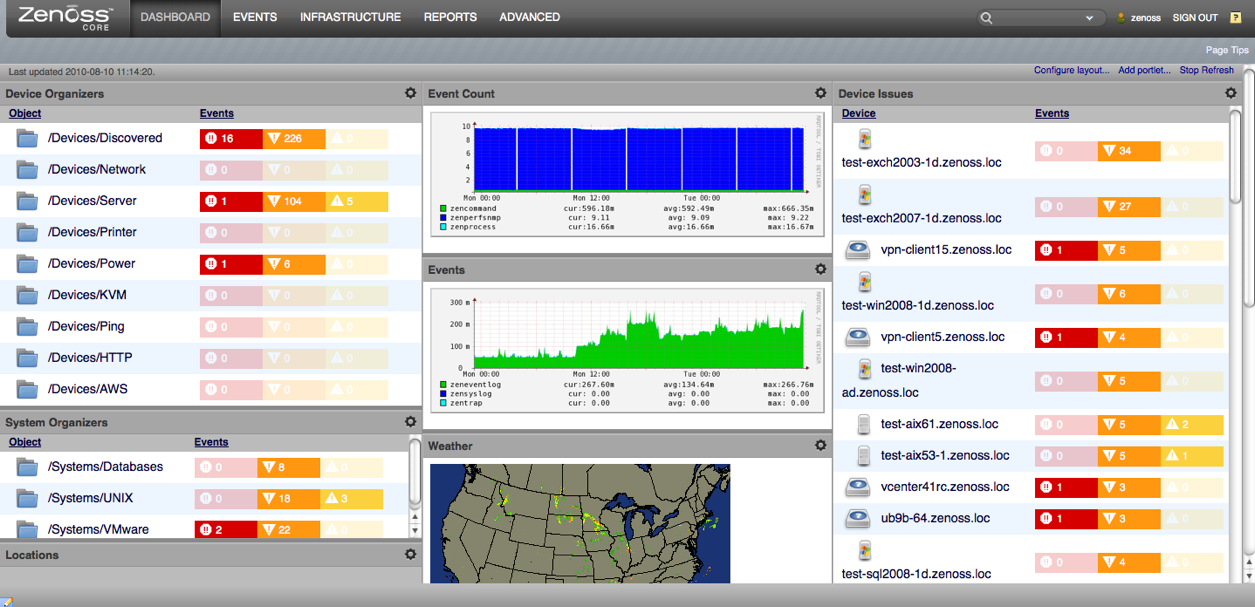
Third, it handles reward fulfillment automatically: once a referral is confirmed, the software issues the discount, store credit, cash payout, or gift card without anyone on your team pushing a button. Fourth, it gives you reporting — a dashboard showing your top referrers, conversion rates, and overall program ROI — plus some level of fraud detection to flag self-referrals or suspicious click patterns before you pay out a reward that shouldn’t have been earned.
Most platforms also include ready-made email and share templates, a hosted “refer a friend” page or widget you can drop into your site, and integrations with the ecommerce platform, CRM, or payment processor you already use, so referral data flows into the systems you’re already checking.
Do You Actually Need It?
If you’re just testing whether referrals work at all, you don’t need software yet. A single reusable discount code, a personal ask to your best customers, or a simple spreadsheet tracking who referred whom is enough to validate the idea for the first few weeks. Plenty of small businesses run informal referral efforts this way indefinitely, and that’s a perfectly reasonable place to stay if volume is low and you can keep track manually.
The tipping point usually shows up as friction rather than a specific number: you’re spending real time each week reconciling who gets credit, customers are asking where their reward is, or you can’t tell whether the program is actually profitable because you have no clean way to measure it. That’s the point where dedicated software starts paying for itself, because the tracking and payout work that was eating your time becomes automatic.
For ecommerce businesses specifically, tools like ReferralCandy, Yotpo, and Friendbuy are built to plug directly into store platforms and handle the whole loop — link, tracking, reward — out of the box. For B2B or partner-style referral and affiliate programs, platforms like PartnerStack or Referral Rock lean more toward CRM integration, longer sales cycles, and multi-tier commission structures. Pricing varies by scale: many ecommerce-focused plans start well under $100 a month for smaller stores, sometimes with an added percentage fee on referral-driven sales, while mid-market and enterprise platforms with deeper integrations and support commonly run into the hundreds of dollars a month or require a custom quote.
Tips / Common Mistakes
Don’t buy software before you’ve run a manual pilot. Testing your offer and messaging with a basic discount code first tells you whether people actually want to refer before you commit to a monthly subscription and an integration project.
Match the tool to your business model, not just your budget. An ecommerce widget built for one-click checkout referrals won’t fit a B2B sales cycle that closes over weeks, and a heavyweight partner platform is overkill for a small shop that just wants a give-$10/get-$10 offer.
Watch for fraud settings before launch, not after. Self-referrals, fake accounts, and referral-code abuse are common enough that most platforms build in detection — make sure it’s actually turned on and tuned before you start paying out rewards.
Keep the reward and the ask simple. Programs with confusing tiers, unclear reward timing, or too many steps to share tend to underperform simple, clearly-explained “give this, get that” offers, regardless of which software runs them underneath.
Explore more: More referral program basics.
Referral program software FAQs
Is referral program software only for ecommerce?
No. Ecommerce is the most common use case, but similar software also runs B2B partner and affiliate referral programs, SaaS customer referral programs, and employee referral programs — the core mechanics of tracking, crediting, and rewarding referrals are the same, though the integrations and reward types differ.
Can I run a referral program without software?
Yes, especially at a small scale. A unique discount code plus a spreadsheet to track who referred whom can work fine for a low volume of referrals. Software becomes worthwhile once manual tracking and payouts start taking up meaningful time or you need reliable data on whether the program is working.
How much does referral program software cost?
It varies widely by platform and business size. Smaller ecommerce-focused plans often start well under $100 a month, sometimes with an added percentage fee on referral-driven sales, while mid-market and enterprise platforms with more integrations and support typically run several hundred dollars a month or require a custom quote.
Turn Customers Into Your Growth Engine
Launch a referral program that turns happy customers into your best growth channel — with ReferralEarl. Try ReferralEarl.
Photo: Encoreopus at English Wikipedia / CC BY-SA 3.0, via Wikimedia Commons.
Related: Best Referral Program Software: 8 Top Tools Compared for 2026