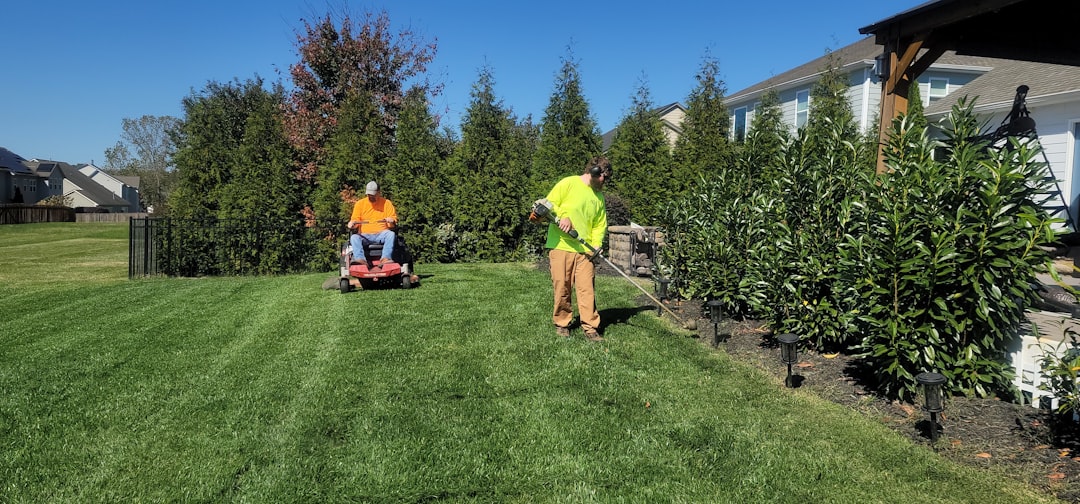
Landscaping and lawn care are relationship businesses. A crew shows up on the same property week after week, builds trust with the homeowner, and does visible work that neighbors can see over the fence. That makes these services some of the easiest to grow through referrals — but only if you actually ask, track, and reward them instead of hoping word of mouth happens on its own.
This guide walks through how to structure a referral program for a landscaping or lawn care company: who to ask, what to offer, how to track referrals without a spreadsheet nightmare, and how to promote the program so clients remember it exists.
Quick Answer
Build a landscaping referral program by offering a simple two-sided reward (something for the existing client, something for the new customer), asking your best clients directly after a great job, tracking referrals through your field service software or a dedicated referral tool, and promoting the offer on invoices, emails, and at the end of each visit.
Step 1: Decide Who to Ask and When
Not every client is equally likely to refer you. Start with recurring maintenance clients who’ve been with you at least one full season, have paid on time, and haven’t filed complaints. These are the people most likely to have a friend or neighbor who could use your services and most likely to vouch for you comfortably.
Timing matters more than most landscapers think. The best moments to ask are right after a visible transformation — a fresh mow-and-edge before a weekend, a completed hardscape or mulch install, or a spring cleanup that noticeably changes the curb appeal. Late spring and early summer, when lawns look their best and neighbors are outside more, tend to be strong windows to promote a referral offer.
Don’t limit the ask to homeowners. Property managers, real estate agents, HOA board members, and even other home service providers (pest control, pool cleaners, handymen) can send you a steady stream of referrals if you build a relationship with them separately from your general client referral program.
Step 2: Pick Rewards That Fit Your Service Model
Because most lawn care and landscaping work is recurring, service credit is usually the simplest and cheapest reward to offer an existing client — a free mow, a discount off the next month’s invoice, or a percentage off a seasonal service like aeration or cleanup. Credit costs you less than cash (it’s your own service, not a payout) and keeps the client engaged with your business longer.
For one-time or larger project clients — a landscape install, hardscape, or irrigation system — cash, a gift card, or a discount on a future project tends to land better than service credit, since the client may not have recurring work scheduled.
The referred friend needs an incentive too. A common approach is a discount on their first service or a free add-on (like a free aeration with a new mowing contract), which lowers the barrier for someone who’s never used your company before. Two-sided programs — where both the referrer and the new customer get something — tend to convert better than one-sided ones because the new customer isn’t just doing a favor, they’re getting a deal.
Whatever you choose, keep the reward simple enough to explain in one sentence: ‘Refer a friend, you both get $25 off.’ Complicated tiered rewards are harder to promote and harder for clients to remember.
Step 3: Track Referrals Without Losing Them
The biggest reason referral programs fail isn’t a bad offer — it’s that nobody tracks who referred whom, so rewards never get paid out and clients stop bothering. If you already use field service management software such as Jobber or Housecall Pro, check whether it has built-in referral tracking; several platforms popular with lawn care and landscaping companies let you tag a new customer’s source and automate the reward.
If your current software doesn’t track referrals well, dedicated referral tools built for local service businesses (including landscaping-specific platforms) let clients submit a referral with a couple of clicks and give you a dashboard of who referred whom, whether the referral turned into a job, and when a reward is owed. Even a simple shared spreadsheet or a ‘referred by’ field on your intake form is better than nothing — the key is that every new lead gets asked how they heard about you, every time.
Set a clear rule for when the reward is earned: many companies pay out only after the referred customer’s first invoice is paid, not just after a referral is submitted. That protects you from paying for referrals that never convert.
Tips / Common Mistakes
Promote the program everywhere, not just once. Mention it on invoices, in seasonal email or text reminders, at the bottom of estimates, and verbally when a crew lead wraps up a job. A referral program that only lives on one page of your website will get almost no use.
Make it easy to share. A short referral link or a simple ‘give this card to a neighbor’ printed card removes friction — most people won’t remember to mention your business name and phone number from memory a week later.
Don’t let the reward sit unpaid. Slow or forgotten payouts are the fastest way to kill referrals; if a client refers someone and never hears about the credit, they won’t refer again.
Avoid stacking a referral discount on top of other heavy discounts or coupons, which can erode margin on jobs that were already going to come in at a lower price. Set a clear reward cap per client per season if needed.
Review the program every season. Track how many referrals came in, how many converted to paying customers, and what it cost you in credits or cash, then adjust the offer if conversion is low.
Explore more: more referral marketing guides.
Landscaping and lawn care referral programs FAQs
What’s a good referral reward amount for a lawn care business?
It depends on the value of the job, but many lawn care companies offer a free mow, a set dollar discount (often in the $15-$50 range), or a percentage off the next invoice for the referrer, plus a smaller first-service discount for the new customer. Match the reward to what you can afford to give up in margin on one job.
Should I offer cash or service credit for referrals?
Service credit usually makes more sense for recurring maintenance clients since it costs you less than cash and keeps them on your schedule longer. Cash or gift cards tend to work better for one-time project clients who may not have another service scheduled to apply a credit toward.
How do I track referrals if I don’t use software?
At minimum, add a ‘How did you hear about us?’ field to every estimate request or intake call, and log the referring client’s name. A shared spreadsheet works for a small operation, but as volume grows, referral tracking features in field service software or a dedicated referral tool save time and reduce missed payouts.
When is the best time to launch a landscaping referral program?
Late spring through early summer is a strong window because lawns and landscapes typically look their best and neighbors are outdoors more, but you can launch anytime — the more important factor is asking satisfied clients consistently rather than picking one perfect launch date.
Turn Customers Into Your Growth Engine
Launch a referral program that turns happy customers into your best growth channel — with ReferralEarl. Try ReferralEarl.
Want this in your inbox? Subscribe to the free newsletter.
Photo by Michael Smith on Unsplash.