Affiliate marketing news this week was about AI taking over more of the path between a shopper and a sale. Google is now showing AI answers on nearly every branded search. Shopify lets AI agents finish checkout on their own. Meta and Stripe both made moves aimed at small businesses. Below are the stories from the week ending October 4, 2026 that matter if you run referral, affiliate, or small-business growth programs. Last week’s issue is here if you missed it.
Referral & Affiliate News

Google AI Overviews Now Appear on 93% of Big-Brand Searches
Research from Chris Long, reported by Search Engine Roundtable, found AI Overviews on 93% of roughly 100 major brand queries tested, including Amazon, Salesforce, and Adobe. DemandSphere says AI Overviews on branded queries tripled in September. If you’re an affiliate who ranks for “[brand] review” or “[brand] coupon,” expect fewer clicks on those terms.
Judge Dismisses Penske’s AI Overviews Lawsuit Against Google
Judge Amit Mehta threw out Penske Media’s suit over AI Overviews, ruling that “an expectation is not an agreement.” He found no formal deal obliging Google to send traffic in exchange for crawling. He did acknowledge the harm to publishers. A separate ad-tech antitrust case from Gannett and Daily Mail survived dismissal, according to Search Engine Roundtable. For content affiliates, this means the courts won’t restore lost search traffic any time soon.
Google Tests Tracking Parameters on AI Overview Links
Google is testing URL tracking parameters on links inside AI Overviews. That would let site owners tell AI Overview clicks apart from regular organic clicks. Better attribution data helps any program that depends on knowing where a visitor came from. If you’re still learning the basics, our guide What Is a Referral Source? explains why this matters.
Bing Tests a “Recommended By” Product Section
Bing is testing product results labeled “Recommended by,” but the thumbnails link to retailers rather than to the sites doing the recommending. Review publishers lose the click even when their content drives the pick. This is the same pattern we’re seeing across AI search.
Affiliate Leaders Awards 2026 Crowned in Lisbon
The SBC Affiliate Leaders Awards ran from September 29 to October 1. Brian Christopher (BC Ventures) and Anastasiia Shcherbyna (Melbet) shared Affiliate Leader of the Year. RavenTrack kept Affiliate Management Platform of the Year, and PartnerMatrix took Affiliate Technology of the Year, per iGaming Expert.
LinkedIn Tests Advanced Creator Discovery for Brand Campaigns
LinkedIn is beta-testing Creator Discovery inside its Creator Marketplace. It adds filters for industry, job function, audience demographics, and Top Voices. LinkedIn says 63% of B2B buyers rely on creators early in their research, according to Social Media Today. B2B partner and referral programs will have a new place to recruit. General availability is expected in early 2027.
Marketing Tactics
ChatGPT Ads Adds Bulk Product Campaigns and Expands to 60+ Countries
OpenAI added bulk product-feed campaign creation, a product review status tab, and Insights API reporting for secondary conversion events to ChatGPT Ads. It also launched in seven Southeast Asian markets plus Taiwan, bringing availability to more than 60 countries, per Search Engine Roundtable. This is one of the bigger stories in affiliate marketing news this week, because ChatGPT is quickly becoming a real performance channel.
Google Loyalty Customer Match Expands to AI Mode and Gemini
Google’s Loyalty Customer Match now works in AI Mode and Gemini, is available through the Merchant API, and has grown from 8 to 14 countries. Loyalty points and completed orders now count as membership types. Brands that reward repeat buyers can now show member pricing inside AI shopping answers. Pair that with the automated flows in Turn One-Time Buyers Into Repeat Customers With Flows.
Microsoft Advertising Optimization Experiments Go GA
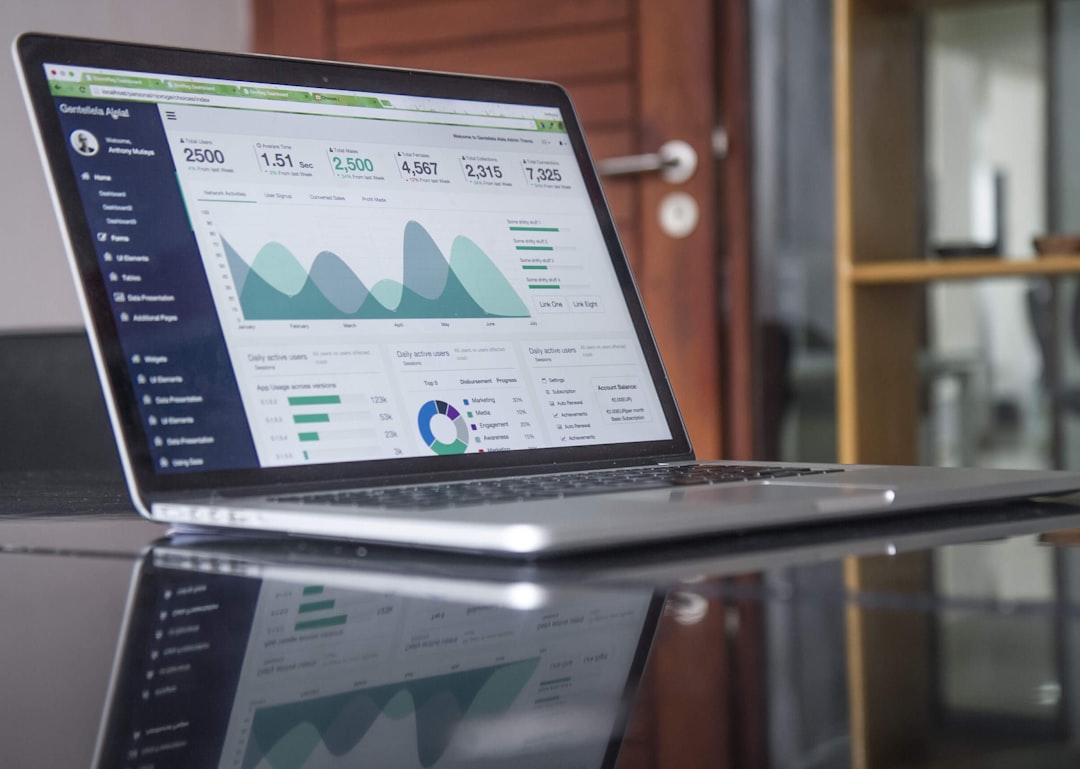
Microsoft Advertising’s optimization experiments are now generally available. They run controlled A/B tests on Search, Shopping, Audience, and Performance Max campaigns. Smaller advertisers can now test bidding and creative changes properly instead of guessing.
Google: Manually Fact-Check All AI-Generated Content
Google updated its guidance to say publishers should “manually factcheck and review all AI-generated content for accuracy and trustworthiness before publishing.” It also added sections on main content to its helpful content documentation. The second phase of the September 2026 spam update hit on September 30. The message for affiliate content sites is clear: AI drafts without real human review are a growing risk.
TikTok Adds Agency Partner and Premier Agency Partner Tiers
TikTok split its partner program into two certification tiers, Agency Partner and Premier Agency Partner, according to Social Media Today. If you’re hiring outside help for TikTok Shop or creator campaigns, the badges make it easier to check an agency’s track record.
Small Business Growth
Meta Expands Its Muse AI Agent to Small Businesses
On September 29, Meta launched Muse for Small Business. The agent connects to Shopify, Slack, QuickBooks, Stripe, Canva, and Meta’s own ad and page tools. It’s free with usage limits, and paid plans offer higher usage. Small brands get a free AI assistant for promotions, customer questions, and ads.
Shopify Lets Browser AI Agents Complete Checkout
On September 28, Shopify extended WebMCP to checkout. Browser-based AI agents can now read and update a shopper’s checkout and place the order once the buyer approves it through Shop Pay. Shopify is turning this on by default for eligible merchants. This is notable affiliate marketing news because purchases made by AI agents may never touch a traditional tracking link.
Stripe to Acquire Parafin to Bring Financing to Every Platform
Stripe agreed to acquire Parafin, which has funded more than $3B to over 60,000 SMBs through platforms like DoorDash, Amazon, and Gusto. The goal is to make embedded business financing something “every platform can turn on.” Small businesses could find working capital offered inside the software they already use.
U.S. Chamber: AI Is Creating More Small-Business Jobs Than It Cuts
The U.S. Chamber’s fifth annual Empowering Small Business report came out October 2. It found 25% of small businesses say AI is creating permanent jobs, while 6% say it lets them reduce headcount. AI adoption has risen from 23% in 2023 to 66% today, mostly for marketing and customer service.
Google Local Service Ads Start Hiding Phone Numbers
Some Google Local Service Ads now hide the business phone number until a searcher hovers or clicks “Get phone number.” Home-service businesses that depend on calls should watch lead volume closely. This is also a good moment to lean harder on word-of-mouth. See our Pressure Washing Referral Program Ideas That Book More Jobs for tactics that don’t depend on Google.
That’s this week’s affiliate marketing news. The common thread is that AI search and AI agents are taking over discovery and checkout. Owned audiences, loyalty programs, and referral loops are becoming more valuable as a result.
Sources
- Search Engine Roundtable — Google AI Overviews Return For Many Large Brand Names
- TechCrunch — Meta is expanding its AI agent Muse to small businesses
- TechCrunch — Shopify opens checkout to browser-based AI agents
- Yahoo Finance — Parafin Is Joining Stripe
- U.S. Chamber of Commerce — New data on how AI is creating small business jobs
Frequently Asked Questions
What was the biggest affiliate marketing news this week?
Google’s AI Overviews spreading to about 93% of major brand searches. That cuts clicks on the “brand + review” and “brand + coupon” terms many affiliates depend on.
Can AI shopping agents break affiliate tracking?
They can. Shopify now lets browser AI agents complete checkout with Shop Pay, so some purchases may skip the usual click path. Server-side tracking and first-party referral codes are becoming more important.
Is ChatGPT Ads worth testing for small businesses?
ChatGPT Ads is now in 60+ countries and supports bulk product-feed campaigns. Ecommerce brands with clean product feeds can run small, low-risk tests.
What did Google say about AI-generated content this week?
Google’s updated guidance says publishers should manually fact-check and review all AI-generated content before publishing. This came alongside phase two of the September 2026 spam update.
How are small businesses using AI in 2026?
The U.S. Chamber found 66% of small businesses now use AI, mainly for marketing, customer service, and daily workflows. Four times as many say it’s creating jobs (25%) as say it’s cutting them (6%).