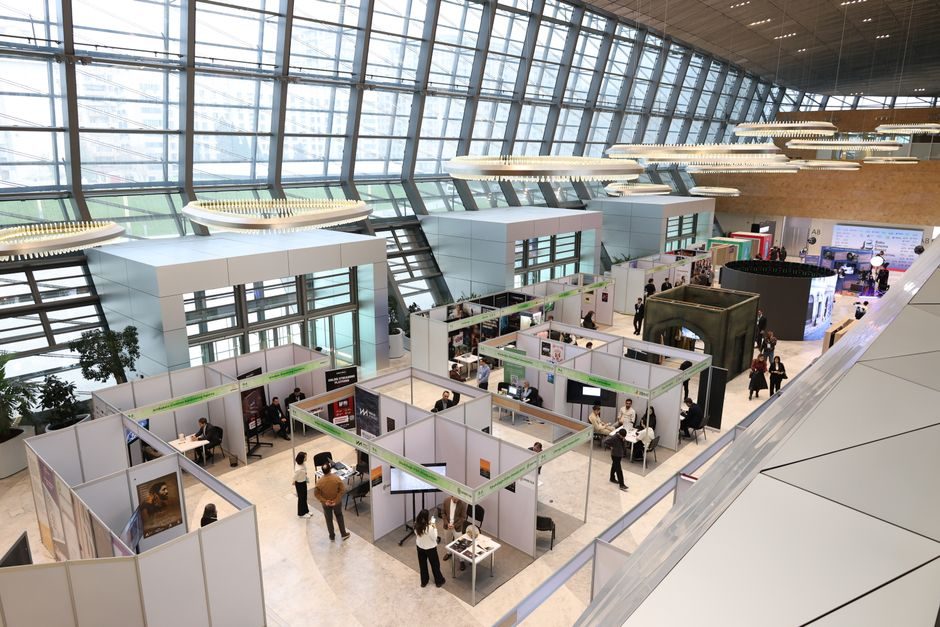
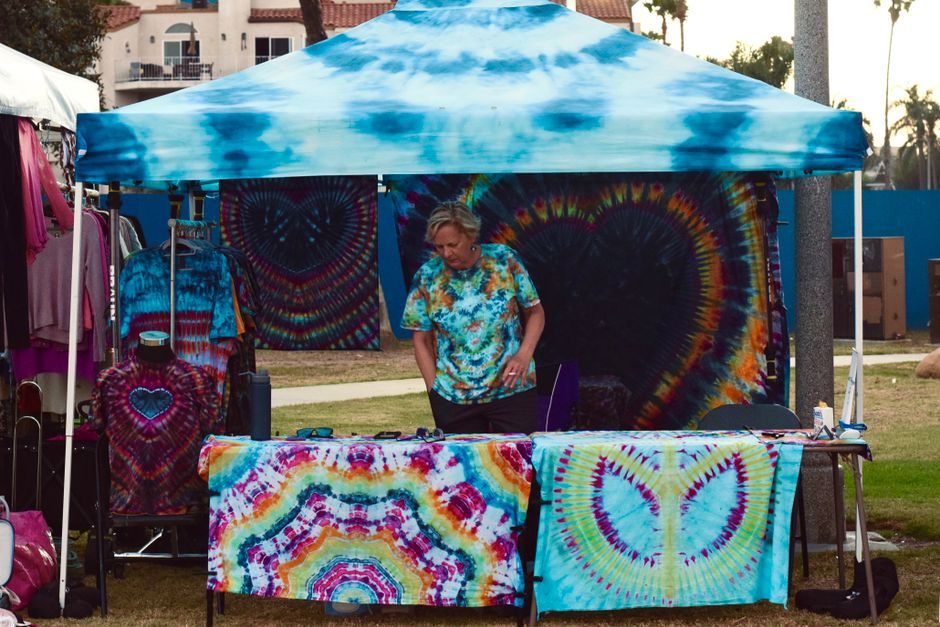
A booth at a trade show, farmers market, or local expo can be one of the fastest ways for a small business to get in front of new customers face-to-face — but it’s also easy to spend a weekend and a few hundred dollars on a table and banner and walk away with nothing but a stack of business cards you never call.
This guide walks through the parts that actually determine whether a booth pays off: setting a real goal before you book the space, designing a booth that gets people to stop, training whoever is staffing it, and — the step almost everyone skips — following up with the leads you collect afterward.
Quick Answer
A booth pays off when you set one clear goal before the event (leads, sales, or local visibility), design the space to get people to stop and interact rather than just look, capture contact info for every real conversation, and follow up with those leads within a day or two while the conversation is still fresh. Most of the wasted booth spend happens after the event, not during it.
Before You Book: Set a Goal and a Budget
Decide what “success” means before you pay for the table. A farmers market booth for a food brand might aim for direct sales and email sign-ups; a B2B service booth at an industry trade show is usually aiming for qualified leads and meetings, not on-the-spot sales. Picking the goal first changes everything else — your booth design, what you bring to hand out, and how you staff it.
Build a simple budget that covers the booth or table fee, any signage or displays, printed materials, travel if it’s out of town, and staff time. Local events are often inexpensive — sometimes under a hundred dollars for a table — while regional or industry trade shows can run from several hundred to several thousand dollars once booth space, furniture rental, and shipping are included. Knowing the full cost up front makes it much easier to judge afterward whether the event was worth doing again.
If it’s a recurring event (a monthly market, an annual industry show), treat the first time as a test run. Track what worked so you can decide — with real data instead of a gut feeling — whether to go bigger next time or skip it.
Design a Booth People Actually Stop At
People walking a show floor or market aisle make a split-second decision about whether to stop. Clear, large signage with your business name and what you do (not just a logo) beats clever branding that requires explanation. If someone has to stop and read a paragraph to figure out what you sell, most will keep walking.
Give people something to do, not just something to look at. A product they can touch or try, a short demo, a sample, or a simple interactive element (a quick quiz, a spin wheel, a before/after) all outperform a table with a stack of flyers and nothing else. If you offer a service rather than a physical product, a short looping video showing the service in action gives passersby something concrete to react to.
Keep the table itself low or absent where possible — a table between you and visitors acts as a barrier. Standing beside your display rather than behind a table, when the event format allows it, tends to invite more conversation.
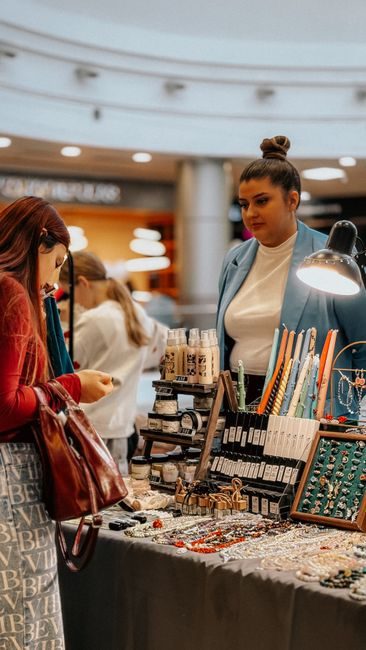
Staff It Like It’s a Sales Conversation
Whoever works the booth is the actual product on display, more than the banner behind them. Prep them with a short, natural explanation of what the business does (not a memorized pitch), answers to the three or four questions you’ll get most often, and a plan for what to do with each visitor — qualify them, collect their info, or just hand them something and let them move on.
Train staff to ask a couple of quick qualifying questions during the conversation: what brought them by, whether they’re the decision-maker, and roughly when they’d act. Jotting a one-line note on each contact (what they asked about, how interested they seemed) takes a few seconds and makes the follow-up far more relevant later.
Have a simple, fast way to capture contact info — a sign-up sheet, a QR code to a short form, or scanning a badge if the show provides lead-retrieval scanners. Don’t rely on business cards alone; people often forget to bring them, and cards without notes are easy to lose track of once you’re back at the office.
Tips / Common Mistakes
The single most common mistake is collecting leads and then never following up, or following up weeks later once the conversation has gone cold. Block time on your calendar for the days right after the event specifically for outreach — a short, personalized email or call referencing what you talked about works far better than a generic mass email.
Don’t try to sell everyone who walks up. At a trade show especially, many visitors are browsing, competitors, or students — spend your energy qualifying quickly so you’re not stuck in a long conversation with someone who was never going to buy while a real prospect walks past.
Avoid overloading the booth with printed material nobody reads on-site. A single clear one-pager with your contact info and offer, plus a digital way to learn more (a QR code to your site or a booking link), works better than a pile of brochures that get thrown away before the visitor leaves the venue.
Finally, write down what worked and what didn’t right after the event, while it’s fresh — booth placement, which demo got attention, which questions came up most. That record is what makes the second event noticeably better than the first.
Explore more: more small business growth strategies.
Frequently Asked Questions
How much does a first trade show or local event booth usually cost?
It varies widely by event. A local market or community event table is often inexpensive, sometimes well under a hundred dollars, while regional or industry trade show booths typically run from several hundred to a few thousand dollars once space, furniture, and materials are included. Always ask the event organizer for a full exhibitor cost breakdown before committing.
How quickly should I follow up with leads after a booth event?
As soon as possible, ideally within a day or two while the conversation is still fresh for both of you. A short, specific message referencing what you discussed at the booth consistently outperforms a generic follow-up sent weeks later.
Do I need a flashy booth design to get attention?
No — clear signage that states what you do, plus something visitors can interact with (a sample, a demo, a hands-on product), matters more than an expensive build. Clarity and interactivity beat decoration.
Is one event enough to judge whether booths work for my business?
Treat your first event as a test. Track leads, conversations, and any sales against your actual costs, then decide whether to repeat it. One event can be a useful signal, but recurring events usually improve as you refine your setup and pitch.
Turn Customers Into Your Growth Engine
Launch a referral program that turns happy customers into your best growth channel — with ReferralEarl. Try ReferralEarl.
Want this in your inbox? Subscribe to the free newsletter.
Photo by Tahir Xəlfəquliyev on Pexels.