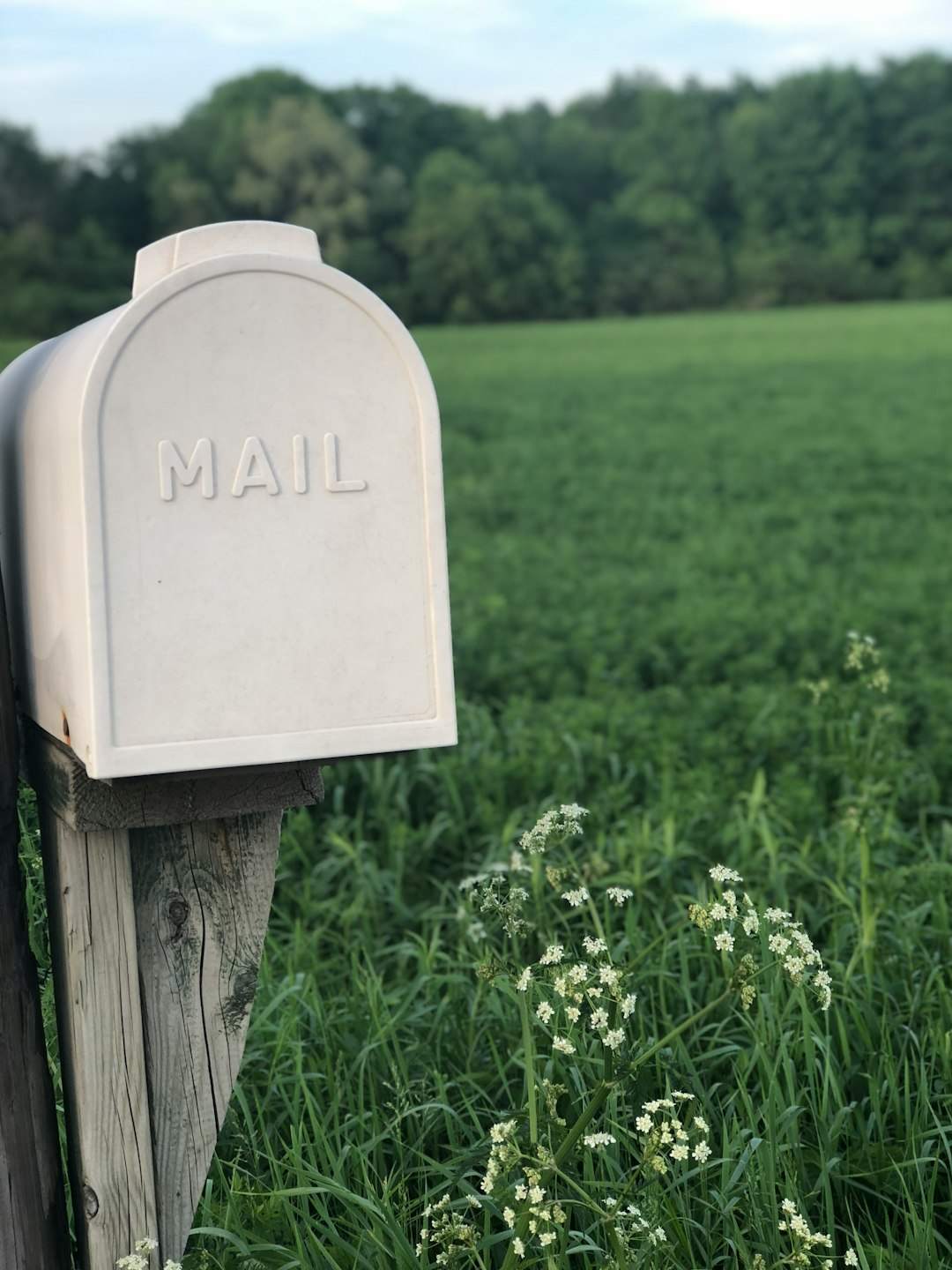
Inboxes are crowded, ad costs keep climbing, and a lot of local businesses are rediscovering that a postcard in someone’s mailbox still gets opened. Direct mail isn’t dead — for businesses with a defined service area (restaurants, salons, contractors, dentists, gyms), it’s often one of the more reliable ways to get a new customer’s attention without competing against a feed full of other ads.
This guide walks through how direct mail actually works today, including the USPS program that lets you skip buying a mailing list entirely, the required postage marking every piece must carry, realistic costs, and how to design a mailer that earns a response instead of a trip to the recycling bin.
Quick Answer
The fastest way for a local business to start with direct mail is USPS Every Door Direct Mail (EDDM): pick the carrier routes around your location using the free USPS mapping tool, design a qualifying postcard or flyer, and drop the bundled mail at your local post office — no mailing list or bulk mail permit required. Every piece still needs the official EDDM Retail indicia printed on it in the correct spot; USPS treats this as the only valid way to pay postage on an EDDM mailing, so it isn’t optional. Pair it with a clear offer, a way to track response (a promo code or QR code), and a repeat mailing schedule rather than a one-off send.
How to Run an EDDM Campaign Step by Step
Every Door Direct Mail is the USPS program most local businesses use because it removes the two biggest barriers to direct mail: building a mailing list and getting a bulk mail permit. Instead of addressing pieces to individual people, you mail to every address on selected postal carrier routes — the same way flyers get delivered.
Start by using the USPS EDDM mapping tool to draw or select the carrier routes around your business. You can filter by basic demographics like household counts, which helps you estimate quantity before you commit to printing. Most small campaigns run in the low thousands of pieces, and USPS sets both a daily minimum and maximum per retail mailing, so check current limits in the tool before finalizing your count.
Next, design a mailer that meets EDDM size and weight requirements — postcards and oversized flyers are the standard formats, since standard-size envelopes and letters don’t qualify for the EDDM rate. Every EDDM Retail piece must carry the required EDDM Retail indicia: a fixed five-line postage marking (PRSRT STD, ECRWSS, U.S. POSTAGE, PAID, EDDM RETAIL) printed above and to the right of a generic address line reading something like “Local Postal Customer” instead of a name. USPS specifies a minimum indicia size and font size and will not accept a mailing as EDDM Retail without it — there’s no stamp, meter strip, or permit number involved instead, but skipping the indicia isn’t an option. Have your printer confirm the piece meets USPS specs, including correct indicia artwork and placement, before printing the full run; most direct mail print shops handle this automatically.
Print, bundle the pieces into stacks of 100 as required, fill out the EDDM form (available through the online tool or at the post office), and drop the mailing at the retail counter of your local post office. If you want finer targeting (by income, homeownership, or purchase history) or you need a true addressed mailing list, a mail house or a paid list broker can build one, but that adds cost and does require a presort permit for bulk postage discounts.
What It Costs and How to Budget
Direct mail pricing has four components: design, printing, the mailing list (skipped entirely with EDDM), and postage. For EDDM specifically, postage runs at a flat per-piece rate regardless of distance — currently a little over a quarter per piece — and USPS adjusts it periodically, so confirm the current rate in the EDDM tool before budgeting.
All-in, most local EDDM postcard campaigns land somewhere between a quarter and a dollar per piece once printing and design are added, with cost per piece dropping as your print run gets larger. A typical first campaign for a single neighborhood might run a few hundred to a couple thousand dollars depending on area size, print quality, and postcard dimensions.
Postage is usually the single largest line item, so the best way to control cost isn’t to cut corners on paper stock — it’s to be deliberate about which routes you select and how often you mail, since repeat mailings to the same area generally outperform a single send.
Tips / Common Mistakes
Lead with one clear offer, not a list of everything you do — a specific discount, a free consultation, or a limited-time deal gives people a reason to act now instead of filing the card away.
Make the response trackable. Put a unique promo code, a dedicated phone number, or a QR code on the piece so you know whether the mailing actually drove business before you spend on a second round.
Don’t mail once and judge the whole channel on it. Direct mail tends to work on repetition — seeing your name two or three times builds recognition even before someone acts.
Keep the design simple and legible at a glance: a strong headline, a clear offer, your business name and location, and a simple call to action beat a crowded layout every time.
Double-check your EDDM piece carries the correct indicia in the right size and position before printing the full quantity — a mailer that’s missing the required indicia, uses the wrong artwork, or doesn’t qualify for EDDM size gets rejected or bumped to a higher postage class, which can blow your budget.
Explore more: More growth strategies for local businesses.
Direct mail marketing for local businesses FAQs
Do I need a mailing list to use direct mail?
No. USPS Every Door Direct Mail (EDDM) lets you mail to every address on selected carrier routes without a mailing list or bulk mail permit, which is why it’s the common entry point for local businesses. You do still have to print the required EDDM Retail indicia on every piece — it’s the only accepted way to show postage has been paid on an EDDM mailing.
How much does a direct mail campaign cost?
For EDDM postcards, expect roughly a quarter to a dollar per piece all-in once design, printing, and postage are included, with the postage portion itself currently a little over a quarter per piece. Larger print runs lower the per-piece cost, and USPS adjusts the rate periodically, so check the current figure before budgeting.
Do I need a stamp or postage meter on an EDDM mailer?
No. Instead of a stamp or meter strip, every EDDM Retail piece must carry the official printed EDDM Retail indicia in the required size, text, and position. USPS will not accept a mailing as EDDM Retail without it.
How do I know if my direct mail campaign is working?
Add a way to track response before you mail — a unique discount code, a dedicated landing page URL, or a QR code — so you can tie redemptions or visits directly back to the mailing instead of guessing.
Turn Customers Into Your Growth Engine
Launch a referral program that turns happy customers into your best growth channel — with ReferralEarl. Try ReferralEarl.
Want this in your inbox? Subscribe to the free newsletter.
Photo by Mikaela Wiedenhoff on Unsplash.