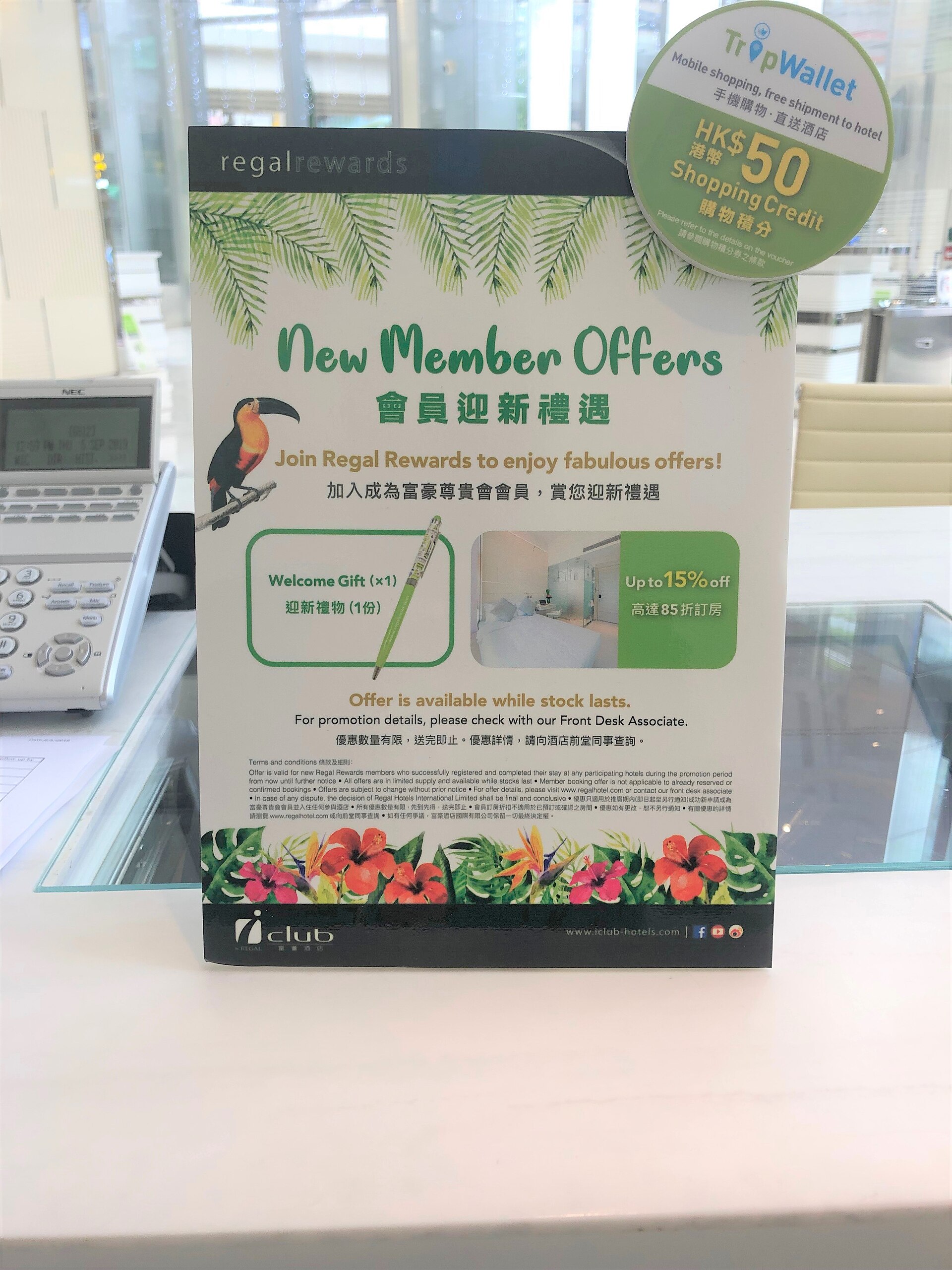
Getting a new customer usually costs a lot more than keeping one you already have, which is why so many small businesses eventually ask the same question: how do we get people to keep coming back? A well-run loyalty program is one of the most reliable answers, but only if it’s built around your actual customers instead of copied from a big-box retailer.
This guide walks through how to choose the right type of loyalty program, set it up without overcomplicating things, and avoid the mistakes that cause most small-business programs to quietly fizzle out within a year.
Quick Answer
To start a customer loyalty program: pick a simple reward structure (a digital stamp/punch card, points system, or referral program), set a reward that’s genuinely worth earning, choose a low-cost tool to track it automatically, and promote it at the point of sale so every customer hears about it. Keep the redemption process fast and the rules easy to explain in one sentence.
Choose the Right Type of Program for Your Business
Not every loyalty model fits every business. A digital stamp or punch card works well for businesses with frequent, low-cost visits, like coffee shops, salons, or car washes, where the goal is simply ‘buy nine, get the tenth free.’ A points-based program suits businesses with a wider range of purchase amounts, since it lets you reward bigger spends more generously than small ones.
A tiered or membership program (bronze/silver/gold, or a paid perk tier) makes sense once you have a base of regular customers you want to reward for depth of loyalty, not just frequency. And a referral program, where existing customers earn a reward for bringing in a friend, tends to work especially well for service businesses like salons, contractors, and clinics, where trust and word-of-mouth already drive most new business.
Before you build anything, look at your best existing customers. What do they already buy, how often do they come back, and what would actually motivate them to visit more? A reward that doesn’t match how people already shop with you won’t move the needle, no matter how generous it looks on paper.
Set Up and Launch Your Program
Start by defining one clear goal: more visits, bigger average orders, or more referrals. That goal determines which reward structure fits, so don’t skip it. From there, decide on the reward itself. It should be simple enough to explain in one sentence and valuable enough that customers actually change their behavior to earn it. Free or steeply discounted items tend to outperform small percentage-off coupons because they feel more tangible.
Next, pick a way to track it. Paper punch cards still work for very small operations, but they’re easy to lose and easy to fake. Most small businesses today use a low-cost app or point-of-sale add-on, such as a digital stamp card app, a points plugin built into their POS system (Square’s loyalty add-on is a common example for businesses already using Square), or a dedicated loyalty platform, so customers can check their balance on their phone and staff don’t have to track anything manually.
Set a reward budget before you launch. A common rule of thumb is to keep the cost of rewards to a small, sustainable slice of what a loyal customer is worth to you over time, rather than pricing rewards so generously that repeat customers actually cost you money. Finally, train staff to mention the program at checkout every time, and put a sign or QR code near the register. Programs fail more often from lack of awareness than from a bad reward structure.
Tips / Common Mistakes
Don’t make signup complicated. If it takes longer than the transaction itself, most customers will skip it. A phone number or a quick QR-code scan is usually enough. Don’t make redemption confusing either; if customers have to ask staff how many points they have or what they can redeem, the program is too complicated.
Avoid launching a program and then never talking about it again. Remind customers of their balance via receipt printouts, text, or email, and let staff mention it naturally rather than only during a big holiday push. Also resist the urge to change the rules often. Constantly adjusting point values or reward tiers erodes trust and makes customers feel like the goalposts keep moving.
Finally, track the right number. Signups look impressive on a dashboard, but the metric that actually matters is whether enrolled customers are visiting more often or spending more than they did before joining. If they’re not, the program needs a redesign, not just more marketing.
Explore more: more customer loyalty strategies.
Customer loyalty program FAQs
What’s the cheapest way to start a customer loyalty program?
A simple digital stamp card app or a loyalty add-on built into your existing point-of-sale system is usually the cheapest route, since many offer a free or low-cost starter tier and don’t require new hardware. Paper punch cards are free but harder to track and easy for customers to lose.
How much should a loyalty reward be worth?
There’s no fixed number, but a common approach is to keep the total cost of rewards to a modest percentage of what a loyal customer is worth to your business over time, so the program pays for itself in repeat visits rather than cutting into your margin.
Do loyalty programs actually work for small businesses?
They can, especially for businesses with frequent repeat purchases, but only when the program is simple to join, easy to redeem, and actively promoted at checkout. Programs that are hard to understand or rarely mentioned tend to see low participation regardless of the reward offered.
Turn Customers Into Your Growth Engine
Launch a referral program that turns happy customers into your best growth channel — with ReferralEarl. Try ReferralEarl.
Want this in your inbox? Subscribe to the free newsletter.
Photo: Tripwallet / CC BY-SA 4.0, via Wikimedia Commons.