You don’t need paid software, a big rewards budget, or a marketing team to get a referral program off the ground. Plenty of small businesses have turned happy customers into a steady lead source using nothing more than a spreadsheet, a unique code, and a reward they could already afford.
This guide walks through how to structure a no-cost referral program, track referrals manually until you outgrow a spreadsheet, and pick rewards that don’t require cash upfront.
Quick Answer
To launch a referral program with no budget, give each customer a unique referral code or personal link, track who refers whom in a free spreadsheet (Google Sheets or Excel), reward referrals with something you already have — store credit, a free product, or a service upgrade — instead of cash, and promote the program through email, social media, and in-person asks rather than paid ads.
Set Up the Basics Without Spending Anything
Start with a unique identifier for each referrer. The simplest version is a personal code (a name plus a short number, like SARAH10) that customers give out, or a unique link if you’re online — most e-commerce and booking platforms let you append a tracking parameter to a URL for free. The customer shares the code or link; you note it down when a new customer mentions it or uses it at checkout.
Track everything in a free spreadsheet. A simple Google Sheet with columns for referrer name, code, date given, referred customer, and conversion status is enough to run a program with well under a hundred active referrers. Add a column for reward status so you don’t forget to pay anyone out. This manual approach is genuinely workable at small scale — it’s what most businesses use before they ever pay for referral software.
Write a one-page set of rules before you launch: who qualifies as a referrer (existing customers only, or anyone?), what counts as a successful referral (a sign-up, a first purchase, a completed booking?), and how long a referral stays valid. Vague rules are the number one reason small referral programs fall apart — customers get frustrated when a reward doesn’t show up because the terms were never spelled out.
If you want a slightly more automated setup without paying, many referral and e-commerce platforms offer free trials or free tiers aimed at businesses just testing the idea — enough to validate that people are actually interested before you commit to a paid tool.
Choose Rewards That Don’t Cost Cash
The reward is what makes people act, but it doesn’t have to come out of a marketing budget. Store credit or a discount on a future purchase costs you only margin, not cash out of pocket, and it also brings the referrer back for a repeat visit. A free product, add-on, or service upgrade works the same way if you have inventory or capacity to spare.
Consider a double-sided reward — something small for both the referrer and the new customer (for example, a discount for the friend, credit for the referrer). Two-sided rewards tend to convert better than one-sided ones because the new customer has their own reason to act, not just a favor to a friend.
If you genuinely have nothing to give away, non-monetary recognition still works for some businesses: early access to new products, a shoutout on social media, or VIP status/perks. These cost time, not money, and can be enough for customers who refer people mainly because they already like you.
Whatever you choose, make the reward specific and easy to picture — “$10 off your next order” beats “a special thank-you.” Vague rewards get ignored.

Promote It Without Paid Ads
Ask directly. The highest-converting referral moment is usually right after a customer has a good experience — a completed purchase, a five-star review, a compliment in person or in a support chat. Have a simple line ready: “If you know anyone who’d like this, here’s a code that gets them a discount and gets you one too.”
Put the program where customers already look: your email signature, order confirmation emails, receipt footers, a pinned social media post, and a dedicated page on your website or booking page. None of this requires ad spend, just a few minutes of setup.
Recruit your best customers first rather than blasting your whole list. Reach out individually to repeat customers or superfans and invite them into the program directly — a personal ask converts far better than a generic announcement, and it lets you iron out the process with a small group before opening it up widely.
If you’re part of any local business groups, industry communities, or online forums where your customers hang out, mention the program there too — it costs nothing and reaches people already primed to trust a referral.
Tips / Common Mistakes
Don’t launch without a clear reward-payout process — decide in advance whether you’ll check the spreadsheet weekly or monthly and actually follow through, since a missed reward kills trust fast.
Don’t make the referral action complicated. If sharing a code requires five steps, most customers won’t bother. A copy-paste link or a code they can say out loud beats a multi-step form.
Watch for referral fraud even at small scale — someone referring themselves with a second email, for instance. Manual tracking makes this harder to catch than software does, so do a quick sanity check (same name, same address, same phone number) before paying out unusual-looking referrals.
Revisit the program after your first month. Look at how many people actually referred someone versus how many you invited, and adjust the reward or the ask if participation is low. A no-budget program is meant to be a cheap way to test the idea — treat the early weeks as a pilot, not a finished system.
Plan for the point where a spreadsheet stops working. Once you’re tracking more than a hundred or so active referrers, or fraud checks start eating real time, it’s usually worth moving to dedicated referral software — most of these tools offer a free trial or free tier so you can move up only once the manual version has proven itself.
Explore more: More referral program basics.
Launching a referral program with no budget FAQs
Can a referral program really work without paid software?
Yes, especially at small scale. A unique code per customer and a shared spreadsheet to track referrals and conversions is enough to run a functioning program until you outgrow manual tracking.
What can I offer as a reward if I don’t have marketing budget?
Store credit, discounts, free products or service add-ons, and early access or VIP perks all work well because they cost margin or time rather than cash out of pocket.
How do I track referrals manually without losing accuracy?
Use a spreadsheet with a column for referral code, referrer, referred customer, date, and status, and update it consistently — ideally every time you process an order or sign-up so nothing gets missed.
When should I upgrade from a spreadsheet to referral software?
Once you’re managing more than roughly a hundred active referrers, or you’re spending significant time manually checking for duplicate or fraudulent referrals, it’s usually time to move to dedicated software, many of which offer a free trial to test first.
How do I get customers to actually use the referral program?
Ask directly right after a positive experience, make sharing a code or link a one-step action, and put the offer somewhere customers already look, like email receipts or a pinned social post, rather than relying on them to seek it out.
Turn Customers Into Your Growth Engine
Launch a referral program that turns happy customers into your best growth channel — with ReferralEarl. Try ReferralEarl.
Want this in your inbox? Subscribe to the free newsletter.
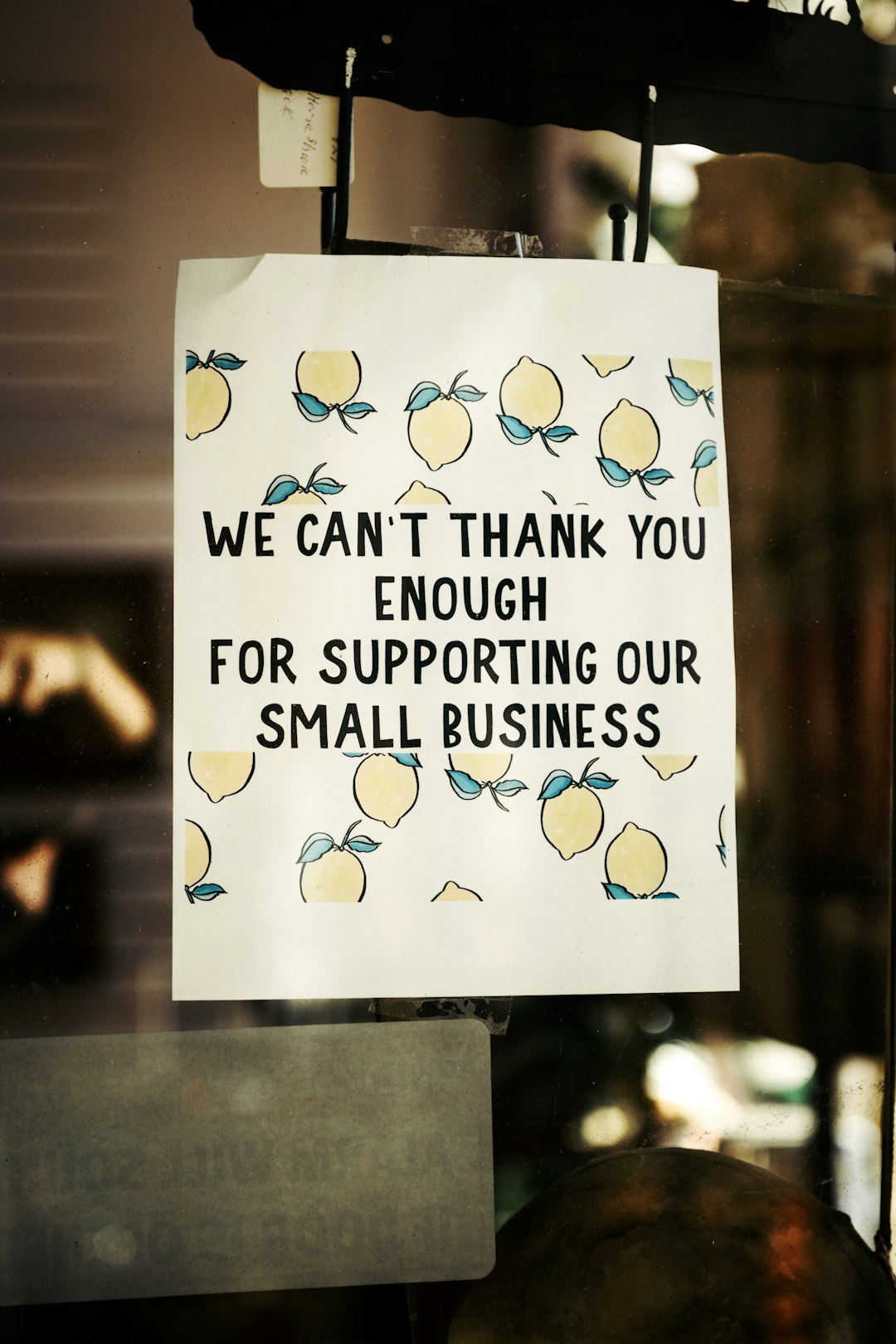
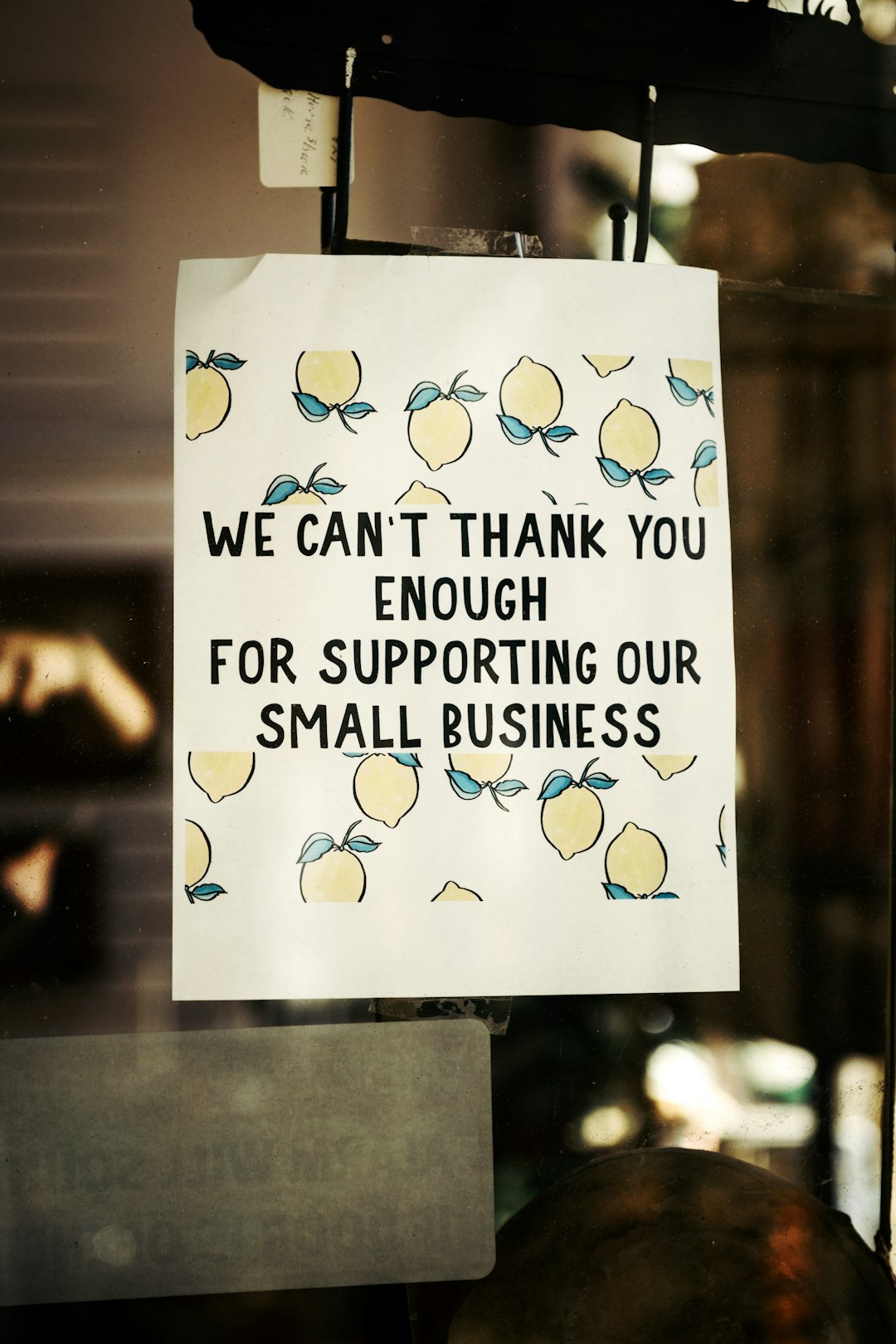
Photo by Tim Mossholder on Unsplash.










1 thought on “How to Launch a Referral Program With No Budget”
Comments are closed.