When you launch a referral program, one of the first decisions you’ll make isn’t about rewards or messaging — it’s about enrollment. Do customers have to actively sign up to participate (opt-in), or are they automatically enrolled and free to leave if they don’t want in (opt-out)?
This choice affects your signup numbers, your legal exposure, and how customers feel about your brand. Here’s how the two models actually work, the tradeoffs of each, and a straightforward way to decide which fits your business.
Quick Answer
For most small and mid-sized businesses, opt-in is the safer and more sustainable choice. It requires explicit customer consent before they’re enrolled or contacted about the program, which keeps you on solid legal footing and builds a referral base of people who actually want to participate. Opt-out (automatic enrollment with an easy exit) can produce a larger pool of participants faster, but it carries higher legal and reputational risk and tends to attract less engaged referrers.
How Each Model Works
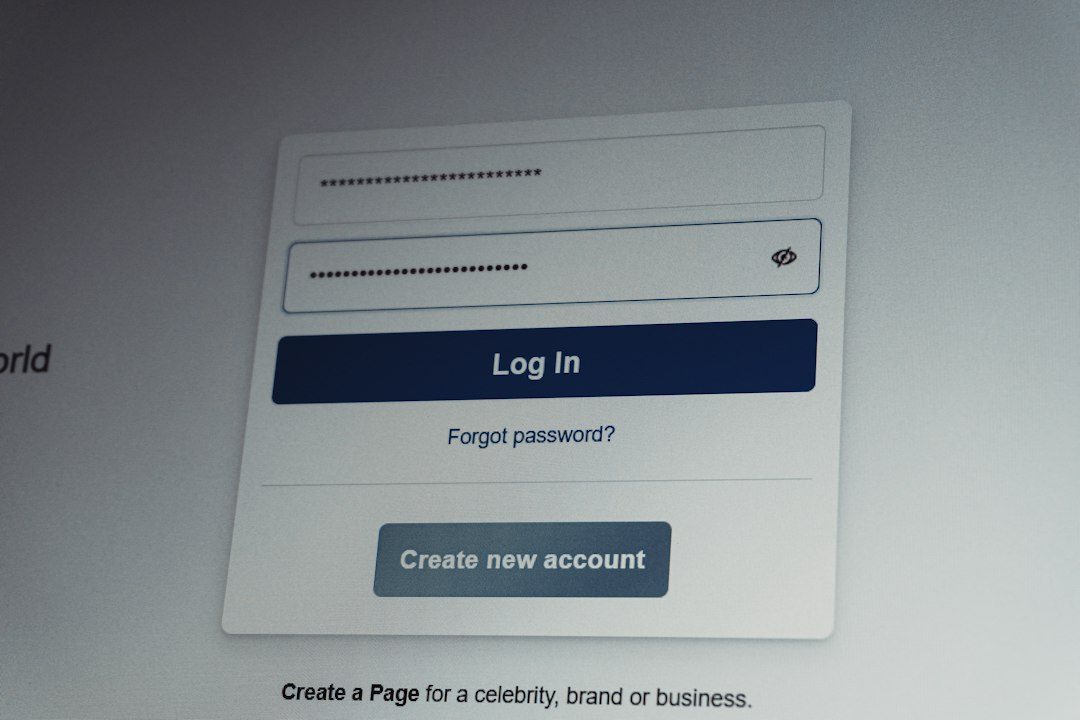
In an opt-in referral program, a customer has to take a deliberate action to join — clicking ‘Join the referral program,’ checking a consent box, or submitting a signup form. Nothing happens on their account or inbox until they say yes. Many programs use a ‘double opt-in’ version of this, where the customer confirms a second time (often via email) before their referral link goes live, which filters out typos, bots, and people who weren’t really paying attention the first time.
In an opt-out referral program, customers are automatically enrolled — often right after a purchase or account signup — and given a referral link or dashboard whether they asked for one or not. They can usually unsubscribe or deactivate participation, but the default is ‘in.’ This maximizes the number of people technically eligible to refer, since there’s no signup friction, but it also means a lot of enrolled customers never notice or use the program at all.
The core tradeoff: opt-in trades reach for intent, and opt-out trades intent for reach.
Compliance and Consent: Why This Isn’t Just a Marketing Choice
If your referral program involves sending marketing emails, texts, or push notifications — invitations to refer, reward reminders, progress updates — you’re subject to electronic marketing rules, not just referral-program best practices. In the EU, the ePrivacy rules that work alongside GDPR generally require opt-in consent before you send electronic marketing to someone. There’s one notable exception, known as the ‘soft opt-in’: if someone is already your customer, you can email them about your own similar products or services without a fresh opt-in, as long as you gave them a clear chance to opt out when you first collected their details and you include an easy opt-out in every message. It doesn’t cover referral invitations to a friend who isn’t already your customer, and it doesn’t extend to third-party products. The U.S. CAN-SPAM Act is more permissive still and allows opt-out commercial email generally, but it also requires a working, honored unsubscribe mechanism.
A common mistake is treating ‘customer bought something from us’ as blanket permission for any kind of referral marketing. The soft opt-in only covers your own similar offerings to your own existing customers — it doesn’t cover marketing to a referred friend, who is a new contact with no prior relationship to you. If you operate internationally or serve EU customers, default to opt-in for referral invitations sent to new contacts, and keep a record of when and how each customer consented or qualified for an exception.
Separately, don’t collect or store information about the person being referred (the friend) until that friend has taken an action — like signing up — and agreed to participate themselves. Holding data on people who never consented to anything is a common compliance gap in referral programs.
Tips / Common Mistakes
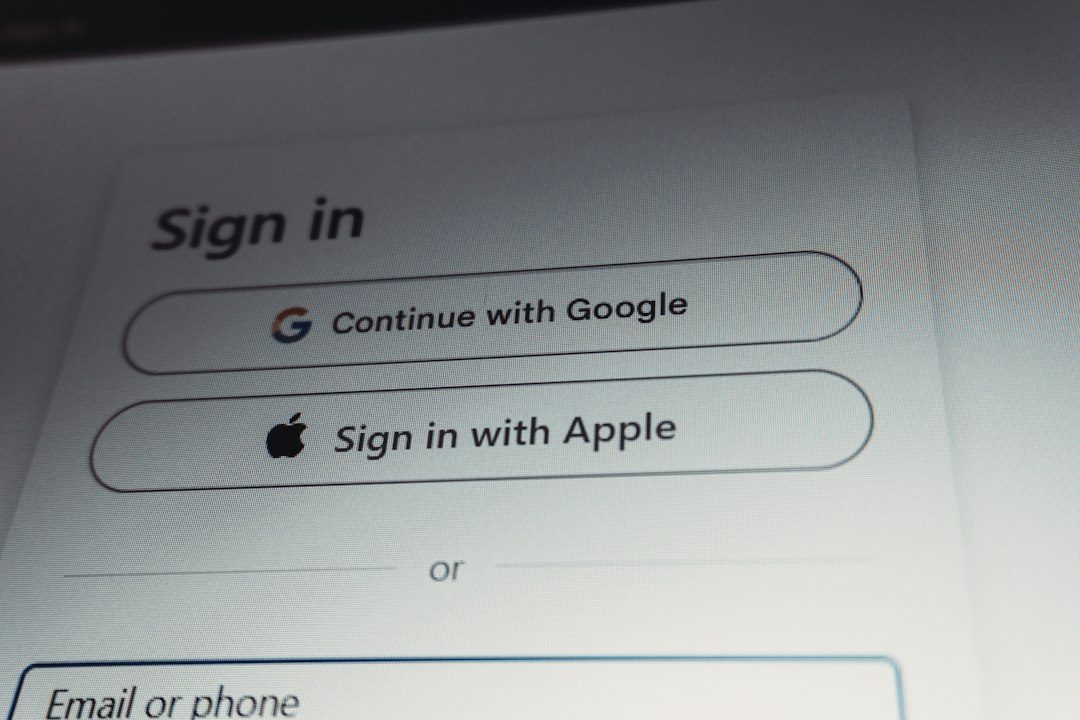
Make the opt-in action obvious and low-friction — a single checkbox or button at a natural moment (post-purchase confirmation, account dashboard) outperforms a buried settings-page toggle. If you use double opt-in, keep the confirmation step to one click; extra steps lose people. Don’t assume a soft opt-in exception covers referral invitations to brand-new contacts — it only applies to your own existing customers and your own similar offerings. Always offer a clear, working way to leave the program, regardless of which model you use — both legally required in most regions and good for trust. If you do use an opt-out model, be transparent about it: tell customers plainly that they’ve been enrolled and how to leave, rather than letting them discover a referral link they never asked for. Finally, test both approaches on a segment of your list if you’re unsure — comparing opt-in signup rates against opt-out engagement rates on your own audience tells you more than any generic benchmark.
Explore more: More referral program basics.
Opt-In vs. Opt-Out Referral Programs FAQs
Is opt-out automatically illegal for referral programs?
Not automatically, but it depends on your audience and what you’re sending. The U.S. CAN-SPAM Act permits opt-out commercial email with a working unsubscribe link. In the EU, opt-in is the general rule for electronic marketing, though a limited ‘soft opt-in’ exception lets you email existing customers about similar products without a fresh opt-in. If you have EU customers and you’re inviting new contacts to join, opt-in is the safer default.
Does enrolling someone in a referral program count as marketing consent?
Not automatically. Participating in a referral program is a separate action from agreeing to receive marketing emails or texts, unless the recipient is already your customer and the message qualifies under a soft opt-in style exception. Treat consent for new contacts, like a referred friend, as its own explicit step.
Which model gets more total referrals — opt-in or opt-out?
Opt-out typically enrolls more people by default since there’s no signup step, but opt-in tends to produce more engaged referrers who actually understand and use the program, since they chose to join.
Can I switch from opt-out to opt-in later?
Yes, and many businesses do once they scale internationally or tighten up compliance. You’ll likely see a drop in total enrolled participants but an increase in referral quality and engagement from those who re-confirm.
Turn Customers Into Your Growth Engine
Launch a referral program that turns happy customers into your best growth channel — with ReferralEarl. Try ReferralEarl.
Want this in your inbox? Subscribe to the free newsletter.
Photo by Zulfugar Karimov on Unsplash.