
Self-storage facilities compete for renters in a market where most searches start online and most decisions still come down to trust. A referral program turns your current tenants into a low-cost acquisition channel: they vouch for your facility, a friend rents a unit, and both sides get something for it.
This guide walks through how to design, launch, and promote a referral program for a self-storage facility, with incentive examples, tracking tips, and the mistakes that cause most programs to quietly fizzle out.
Quick Answer
Build a self-storage referral program by picking a simple, win-win-win incentive (such as a free month’s rent or a flat cash reward for both the referring tenant and the new renter), giving tenants an easy way to share it (a referral code, link, or card), tracking redemptions through your management software, and promoting it consistently through signage, email, and your website so tenants don’t forget it exists.
Step-by-Step: Setting Up the Program
Start by deciding what you can afford to give away and to whom. The most common structure rewards both sides — a free month of rent, a discount, or a flat cash or gift card amount (facilities often use something in the range of a free month or a modest cash reward) for the existing tenant, and a smaller welcome discount for the new renter. Paying out only after the new tenant has stayed a set period, such as two or three months, protects you from rewarding referrals who sign up and leave right away.
Keep the rules short enough to fit on a business card. If a tenant has to read fine print to understand how the program works, participation drops. One clear sentence — ‘Refer a friend, you both get a reward when they rent for 60+ days’ — outperforms a page of terms.
Give tenants a concrete way to refer. That can be as simple as a unique referral code tied to their account, a dedicated referral link if your management software supports it, or printed referral cards they can hand to someone in person. Whatever you choose, make sure your facility management software (most platforms used by self-storage operators support referral codes or integrate with referral/reputation tools) can tag the new lead back to the referring tenant automatically, so nothing has to be tracked by hand.
Set the reward to trigger automatically once the referral converts and meets your minimum-stay condition, and notify both the referring tenant and the new renter when it happens. A quick thank-you — email, text, or a note at the counter — costs nothing and makes tenants more likely to refer again.
Incentive Ideas and How to Promote the Program
Beyond cash or free rent, consider a tiered or contest structure: the tenant with the most referrals in a quarter gets a bigger prize, like several months free or a gift card to a local business. Contests create urgency and give you a natural reason to re-promote the program every few months.
Community-based incentives work well for self-storage specifically, since the business is local by nature. Donating a unit to a youth sports team, a local nonprofit, or a community group in exchange for them spreading the word among members can generate referrals without a direct cash payout.
Promote the program everywhere a tenant already looks: a page on your website, a line in your move-in paperwork, signage at the office and gate, and a recurring (quarterly is a good cadence) reminder email or text to current tenants. Don’t rely on a single announcement — most tenants forget a program exists within weeks unless it’s mentioned again.
Train your front-desk and phone staff to mention the referral program in casual conversation, especially with tenants who seem happy or are moving out after a positive experience. A personal mention from a staff member tends to convert better than any flyer.
Tips and Common Mistakes
The biggest mistake is launching a referral program and never mentioning it again. Treat it like an ongoing feature of your business, not a one-time campaign — put it in your email signature, new-tenant welcome packet, and seasonal newsletters.
Don’t make the reward conditional on too many hoops (minimum rental size, specific unit types, blackout dates). Complexity is the number one reason referral programs underperform. A single, consistent offer is easier for tenants to remember and repeat.
Remember that referrals only work if your facility is genuinely good to refer. Clean units, responsive staff, and fair billing matter more than the size of the reward — tenants won’t risk their reputation with friends to send them to a facility they don’t fully trust.
Track where every new tenant heard about you (a simple ‘How did you hear about us?’ field at sign-up) so you know whether the program is actually driving business, not just costing you free months you’d have given away anyway.
Explore more: More referral marketing strategies for small businesses.
Self-storage referral program FAQs
What’s a good incentive for a self-storage referral program?
A free month of rent for the referring tenant is the most common and easiest-to-understand incentive, though a flat cash or gift card reward works too. Many facilities also give the new renter a smaller welcome discount so both sides benefit.
How do I track referrals at a self-storage facility?
Use a unique referral code or link tied to each tenant’s account through your facility management software, or a simple ‘How did you hear about us?’ field at sign-up. Several self-storage management and reputation platforms now include built-in referral tracking and automated payout triggers.
When should I pay out a referral reward?
Most facilities wait until the new tenant has paid rent for a minimum period, commonly two to three months, before issuing the reward. This protects against short-term rentals that cancel shortly after signing up.
Turn Customers Into Your Growth Engine
Launch a referral program that turns happy customers into your best growth channel — with ReferralEarl. Try ReferralEarl.
Want this in your inbox? Subscribe to the free newsletter.
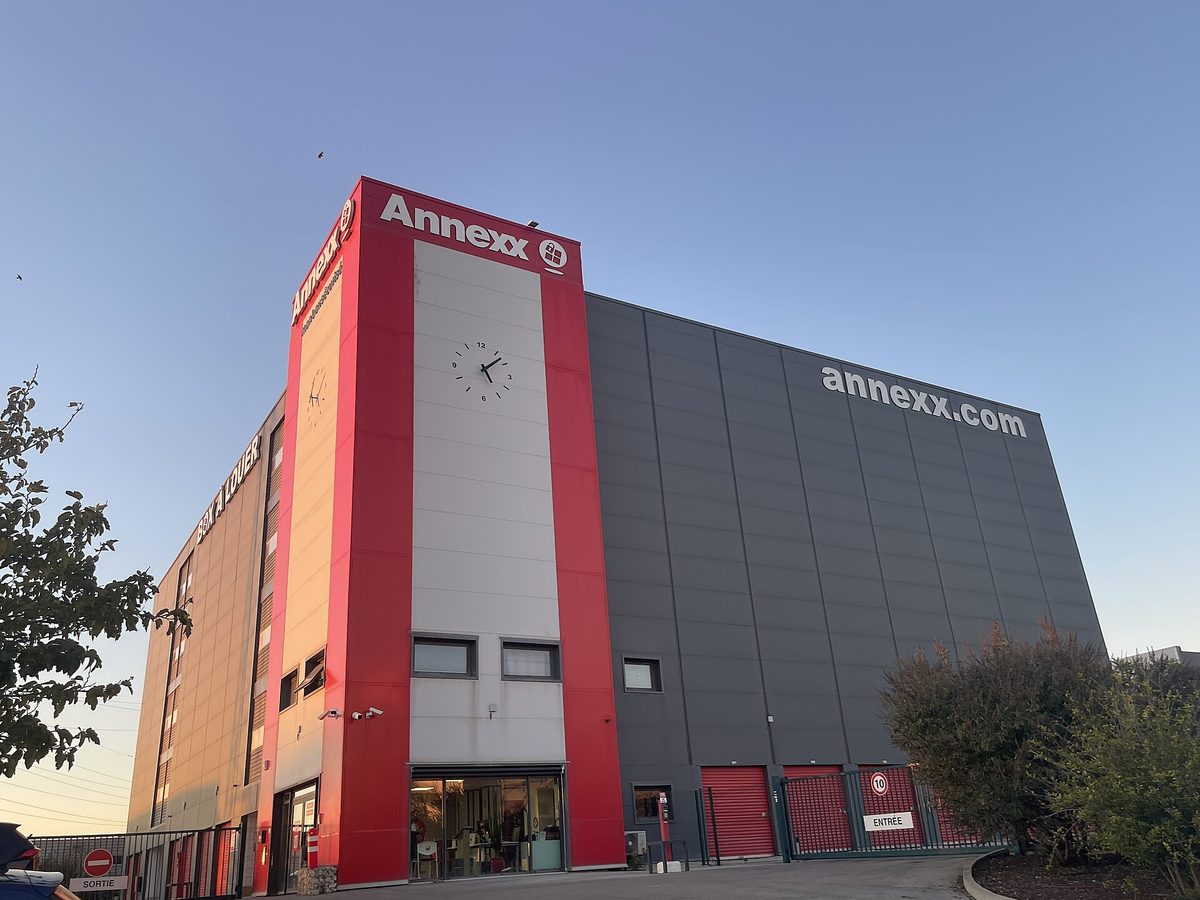
Photo: Psychozoia / CC BY-SA 4.0, via Wikimedia Commons.