Pest control is a trust business. Homeowners don’t want to Google “exterminator near me” and gamble on a stranger — they want the company their neighbor already vouches for. That’s why referrals tend to close faster, cost less to acquire, and stick around longer than leads from ads or directories.
The catch is that most pest control companies still treat referrals as something that happens on its own instead of something they actively build. This guide walks through the referral incentives that actually move the needle, how to structure a program so techs and office staff promote it consistently, and the mistakes that quietly kill referral programs before they get traction.
Quick Answer
The referral program ideas that work best for pest control are simple cash or service credits (for example, a set dollar amount or a free add-on treatment) for both the referrer and the new customer, a tiered structure that rewards repeat referrers more generously, and a system — a referral link, card, or automated post-service text — that makes it effortless for a happy customer to actually send the referral.
Reward Structures That Get Customers to Act
Give both sides a reason to participate. A single-sided reward (only the existing customer gets paid) works, but a two-sided reward — a credit or discount for the person referring and a welcome discount for the new customer — removes the awkwardness of “asking a friend for money” and makes the referral feel like a favor, not a sales pitch.
Cash and service credits are the most common rewards: a flat credit toward the next visit, a percentage off the next treatment, or a free add-on like a mosquito or termite inspection. Gift cards (Amazon, Visa, or a local restaurant) are worth having as an alternative for customers who don’t want or need another pest visit soon — not everyone is motivated by a discount on a service they only use quarterly.
Tiered rewards reward your best advocates instead of paying everyone the same flat rate. A common structure: the first referral earns a standard credit, a third referral unlocks something bigger like a larger gift card, and a fifth referral earns a free service period. This costs more per referral at the top tier, but those customers are sending you the most business, so the economics still work in your favor.
For recurring pest control (quarterly or monthly plans), consider structuring the reward as a service-term credit rather than a one-time payout — it keeps the referred customer on the books longer and keeps the referring customer engaged with your brand instead of just cashing out.
Building a System So Referrals Actually Happen
A generous reward does nothing if customers don’t know the program exists or forget about it by the time they’d actually mention you. Ask at the moment satisfaction is highest — right after a technician solves a hard problem (a wasp nest, a rodent issue, a termite scare) is when a customer is most willing to recommend you, not three months later on a generic email.
Train technicians to mention the referral program out loud during the visit, not just leave a flyer. A simple line like “if you know a neighbor dealing with the same thing, we’ll knock $X off both your next visits” takes five seconds and converts far better than passive marketing collateral.
Make the ask easy to act on immediately. A referral link that can be texted or emailed on the spot, a printed referral card with a code, or an automated post-service text/email a day or two after the job all work — the key is reducing the number of steps between “I like this company” and “I told my neighbor.”
Promote the program everywhere a customer already looks: on invoices, in the email signature of service confirmations, on the website, and on social media — not just once at signup. Referral programs lose steam fast when the only mention was buried in a welcome packet a year ago.
Track who’s referring. Most pest control field-service software (route/scheduling platforms used across the industry) can tag a job as referral-sourced, which lets you see your top referrers and follow up with a personal thank-you, a surprise bonus, or VIP treatment — a small gesture that turns a one-time referral into a habit.

Tips and Common Mistakes
Keep the reward simple to explain in one sentence — if a customer has to read fine print to understand what they get, they won’t bother referring. Confusing or delayed payouts are one of the fastest ways to kill participation.
Don’t make customers wait too long for the reward. Issue the credit or gift card as soon as the referred customer’s first service is completed and paid, not weeks later after some internal review.
Avoid setting the reward so low it isn’t worth the effort — a $5 discount rarely motivates anyone to make an introduction. Match the reward to the value of a new customer relative to what you’d otherwise spend on ads to acquire one.
Don’t rely on a single channel. A program that only lives on a webpage will get far fewer referrals than one that’s mentioned in person, printed on the invoice, and followed up by text — redundancy is what makes referral programs work.
Segment your ask for higher-leverage referrals when it makes sense — for example, offering a bigger reward for referring a neighbor on the same street or in the same route zone, since it’s cheaper for you to service a job that’s already near an existing stop.
Explore more: More referral marketing strategies.
Pest control referral programs FAQs
What’s a good referral reward amount for a pest control company?
There’s no single right number — it should scale with the value of a new customer to your business. Many companies use a flat service credit or percentage discount (for example, a set dollar amount off the next visit) for a one-time job, and a larger credit or free service period for recurring/contract customers, since those customers are worth more over time.
Should the new customer also get a discount, not just the referrer?
Yes, in most cases. A two-sided reward — something for the person referring and a welcome discount for the new customer — tends to convert better because the referrer isn’t just asking a friend for a personal favor; they’re sharing a deal that benefits the friend too.
When is the best time to ask a customer for a referral?
Right after a completed job, especially one where the technician resolved a frustrating pest problem. Satisfaction is highest immediately after service, so that’s when an in-person mention or an automated follow-up text gets the best response — waiting weeks or months lowers the odds a customer follows through.
How do I track which customers are sending referrals?
Most pest control scheduling and CRM software used in the field-service industry lets you tag a new job’s lead source, so you can mark it as a referral and attribute it to the referring customer. That data lets you identify and thank your top referrers directly.
Turn Customers Into Your Growth Engine
Launch a referral program that turns happy customers into your best growth channel — with ReferralEarl. Try ReferralEarl.
Want this in your inbox? Subscribe to the free newsletter.
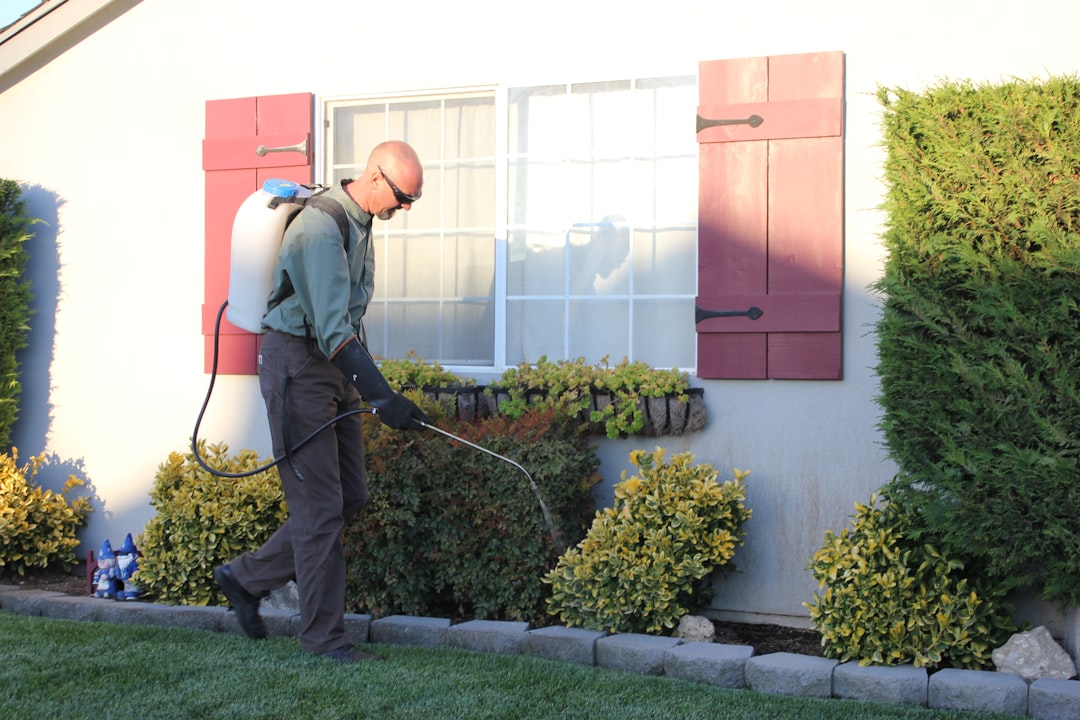
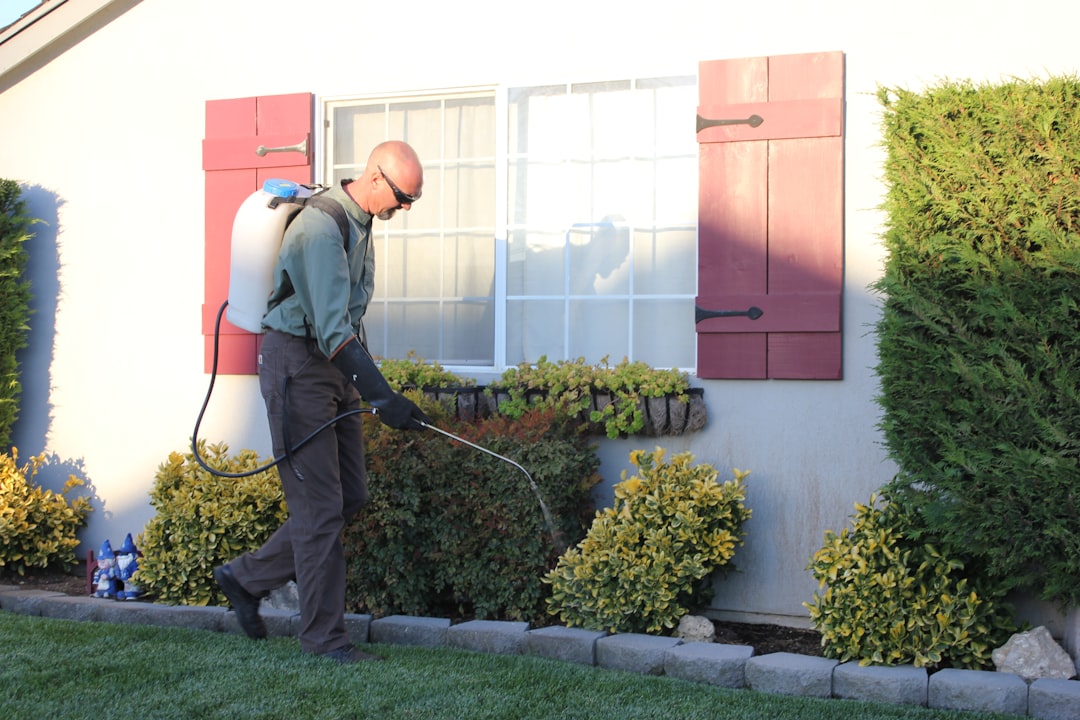
Photo by Pro Pest Control Canberra on Unsplash.