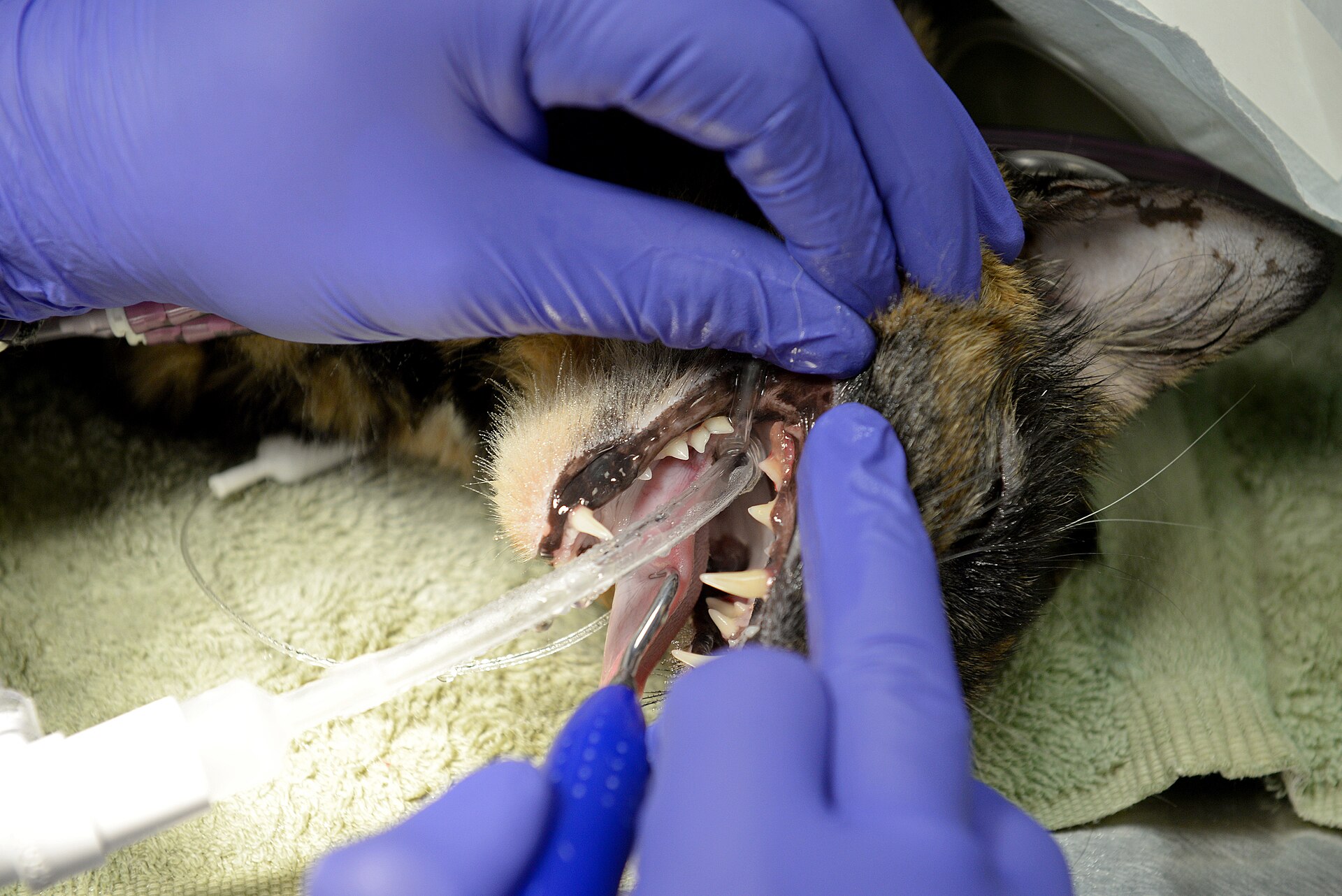
Pet owners already trust their vet more than almost any other local business, which makes them one of the best sources of new clients a clinic has. A referral program simply gives that trust a nudge and a reason to act, instead of hoping word of mouth happens on its own.
This guide covers realistic referral program structures for veterinary clinics, how to track and reward referrals without creating extra front-desk work, and the ethics rules that matter when incentives are involved.
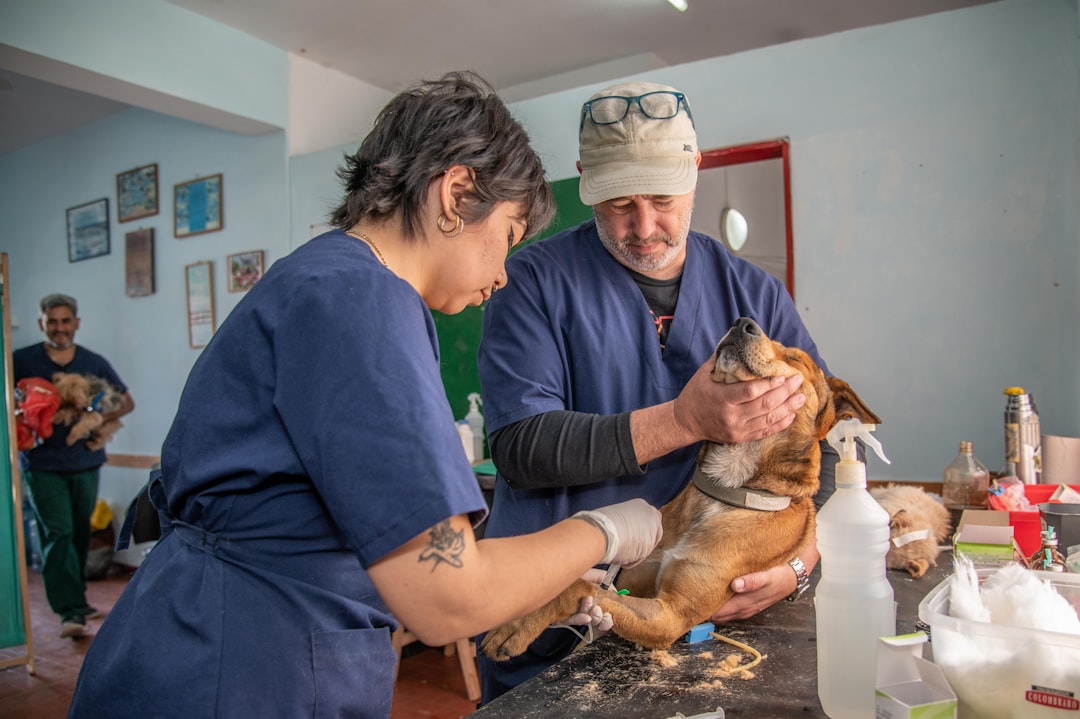
Quick Answer
The most effective veterinary referral programs give a discount, service credit, or free add-on (like a nail trim or a free exam) to both the referring client and the new client, and are tracked through referral cards or a code in your practice management software so staff can apply the reward automatically.
Referral Program Structures That Work
Two-sided credit is the simplest model: the current client gets a set credit or discount (commonly in the $10-$50 range or a percentage off) and the new client gets a smaller welcome discount or a free first exam. Because both people benefit, clients are far more comfortable making the ask than if only they were rewarded.
Service-based rewards work well for clinics that don’t want to discount cash-paying services: a free nail trim, a complimentary dental check, a month of flea/tick preventive, or a bag of prescription food are easy to fulfill and feel like a thank-you rather than a coupon.
Tiered or milestone rewards reward loyal referrers who send multiple clients over time — for example, a bigger reward (a free exam, a branded pet product bundle, or a donation to a local rescue in their name) after their third successful referral. This rewards your best word-of-mouth advocates specifically.
Charitable-match referrals, where the clinic donates to a local animal shelter or rescue for every referral instead of paying the client directly, appeal to clients who don’t want a personal discount and double as community goodwill marketing.
How to Track and Promote It Without Adding Staff Work
Give every client a simple way to refer: a printed card with a unique code, a referral link they can text or share, or a ‘Who referred you?’ field on your new-client intake form. Most veterinary practice management systems can store a referral source field, so the reward can be applied at checkout without a separate spreadsheet.
Mention the program at natural touchpoints — checkout, appointment reminder texts, post-visit follow-up emails, and a page on your website — rather than relying on a one-time flyer. Staff should also be trained to mention it verbally after a good outcome (a successful surgery, a happy puppy visit), since that’s when clients are most likely to talk about your clinic anyway.
Set a reward expiration window (60-90 days is typical) so credits get used rather than forgotten, and confirm the new client actually completed a visit before releasing the referrer’s reward — this keeps the program self-funding and prevents abuse.
Tips and Common Mistakes
Know the difference between client referral programs and vet-to-vet referral fees. Rewarding a pet owner for referring a friend is standard marketing. Paying another veterinarian or clinic for referring a patient to you is a different matter — the AVMA’s ethics principles state a veterinarian should not receive a financial incentive solely for referring a patient, and some states (Texas, for example) prohibit any referral kickback between providers regardless of client consent. Keep client rewards and any professional referral relationships completely separate, and check your state veterinary board’s rules before offering anything to a referring vet or clinic.
Don’t make the reward hard to redeem. Requiring clients to mail in a card or remember a code weeks later kills participation — the reward should apply automatically once the new client’s first visit is logged.
Don’t only reward new clients. A program that only benefits the person being referred gives your existing loyal clients no reason to make the referral in the first place.
Don’t let the program run silently. Referral programs fade fast if clients forget they exist — a quick refresh reminder every few months (email, in-clinic signage, a note on the invoice) keeps it top of mind.
Explore more: More referral marketing strategies.
Veterinary Clinic Referral Programs FAQs
What’s a reasonable reward amount for a veterinary referral program?
Most clinics offer a service credit or discount in the $10-$50 range for the referrer, with a smaller new-client discount or free first exam for the person they referred. Non-cash rewards like a free nail trim or preventive product work just as well and protect margins.
Is it legal to pay clients for referring new patients to a veterinary clinic?
Yes — rewarding pet owners (clients) for referring friends and family is standard, ethical marketing. The restrictions around referral payments in veterinary ethics rules and some state laws apply to paying other veterinarians or clinics for referring patients, not to rewarding your own clients.
How do I track which clients are referring others?
Use a unique referral code or link per client, a ‘How did you hear about us?’ field on new-client forms, or the referral-source field built into most veterinary practice management software so the reward can be applied automatically at checkout.
Turn Customers Into Your Growth Engine
Launch a referral program that turns happy customers into your best growth channel — with ReferralEarl. Try ReferralEarl.
Want this in your inbox? Subscribe to the free newsletter.
Photo: Airman 1st Class Erica Fowler / Public domain, via Wikimedia Commons.