If you’re weighing whether to build a referral program or a loyalty program, you’re really asking two different questions at once: how do I get new customers, and how do I keep the ones I have? They’re often talked about interchangeably, but they solve different problems, run on different mechanics, and usually work best when one comes before the other.
This guide breaks down exactly how referral and loyalty programs differ, walks through real examples of each, and gives you a simple framework for deciding which one deserves your budget and attention first.
Quick Answer
A referral program rewards existing customers for bringing in new ones — it’s a growth and acquisition tool. A loyalty program rewards existing customers for coming back and spending more — it’s a retention tool. If your customers already love you but you’re struggling to find new ones, start with referrals. If you’re getting customers but losing them before they become repeat buyers, start with loyalty.
What Each Program Actually Does
A referral program gives your current customers a reason to recommend you to friends, family, or colleagues — typically through a personal referral link or code. When someone uses that link to make a purchase or sign up, both the referrer and the new customer usually get a reward: a discount, account credit, free product, or cash. Dropbox’s classic referral program is a well-known example — customers who referred a friend both got extra storage space, which helped the company grow largely through word of mouth rather than paid ads.
A loyalty program, on the other hand, is built entirely around your existing customers. Instead of asking them to bring in someone new, it rewards them for continuing to buy from you — usually through points, tiers, or perks that build up over time. Starbucks Rewards is a familiar example: customers earn stars for purchases and redeem them for free drinks and food, which keeps people coming back and increases how often they order.
The core distinction comes down to direction. Referral programs point outward — they turn happy customers into a acquisition channel. Loyalty programs point inward — they deepen the relationship you already have with someone who’s already bought from you.
How to Decide Which One You Need First
Look at where your business is actually struggling. If your biggest problem is customer acquisition cost — you know how to make customers happy, but paid ads and outreach are getting expensive or aren’t converting — a referral program is usually the faster win. It leans on the trust your existing customers already have with the people they know, which tends to produce new customers who convert faster and stick around longer than cold traffic.
If your biggest problem is retention — customers buy once and never come back, or you don’t have much visibility into who your repeat buyers even are — a loyalty program should come first. Launching a referral program before you’ve built a base of genuinely satisfied, repeat customers usually backfires, because you end up asking people to recommend a business they haven’t fully bought into yet.
A useful gut check: would your current customers actually recommend you today, unprompted? If yes, referrals will likely perform well right away. If you’re not sure, that’s usually a sign to build loyalty and satisfaction first, then layer referrals on top once you have a base of genuine advocates.
Budget and complexity matter too. Referral programs are typically simpler and cheaper to launch — many small businesses can start with a basic “give $X, get $X” offer and a referral link tool. Loyalty programs generally require more setup, since you need a way to track points or purchase history over time, whether that’s built into your POS/e-commerce platform or a dedicated loyalty app.
Tips / Common Mistakes
Don’t launch a referral program to compensate for weak retention — if customers churn quickly, you’re paying to acquire people who won’t stick around long enough to make the referral reward worthwhile. Fix the retention problem first, even if that just means improving onboarding or follow-up, before you invest in referral incentives.
Don’t over-complicate a loyalty program out of the gate. A simple points-per-purchase system that’s easy to understand will outperform a complicated tiered structure that confuses customers, especially for a small business just starting out.
Make sure the reward actually matches the effort. Asking someone to refer three friends for a small discount, or asking them to spend hundreds of dollars to unlock a modest loyalty perk, will kill participation. Look at what similar businesses in your space offer and stay competitive.
Once both programs are running, connect them. A common approach is awarding loyalty points for successful referrals, which reinforces both behaviors at once — customers get pulled into a cycle of buying, earning, and recommending, rather than treating the two programs as separate systems.
Explore more: Explore more referral program basics.
Referral Program vs. Loyalty Program FAQs
Can a small business run both a referral and loyalty program at the same time?
Yes, and many do — but it’s usually better to launch loyalty first if retention is weak, since referrals work best when they come from customers who are already satisfied repeat buyers. Once loyalty is stable, adding referral incentives (sometimes even awarding loyalty points for successful referrals) creates a stronger combined effect than either program alone.
Which program is cheaper to set up for a small business?
Referral programs are generally simpler and less expensive to launch, since they often just require a referral link tool and a basic two-sided reward. Loyalty programs usually need more setup because you have to track points or purchase history over time, which may mean integrating with your POS or e-commerce platform.
What’s the main risk of launching a referral program too early?
If your customers aren’t yet loyal or satisfied, a referral program will underperform because people generally don’t recommend businesses they’re lukewarm on. Worse, you may end up paying out referral rewards for new customers who churn just as quickly as the ones who referred them.
Turn Customers Into Your Growth Engine
Launch a referral program that turns happy customers into your best growth channel — with ReferralEarl. Try ReferralEarl.
Want this in your inbox? Subscribe to the free newsletter.
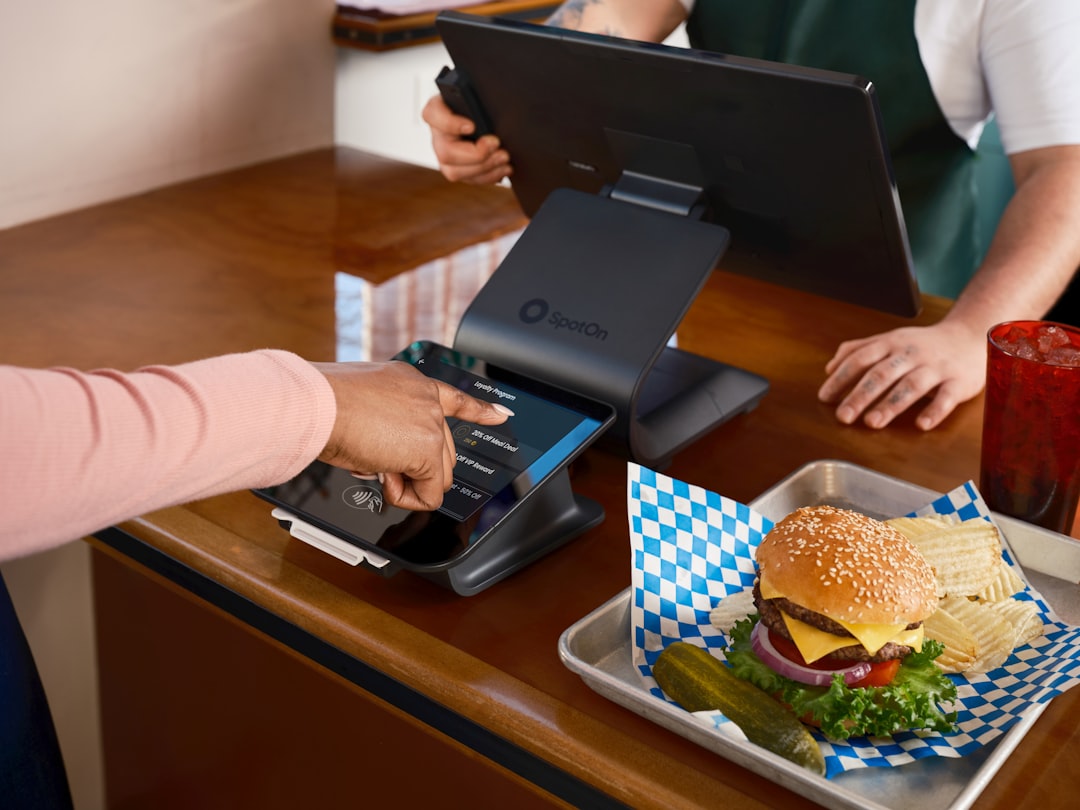
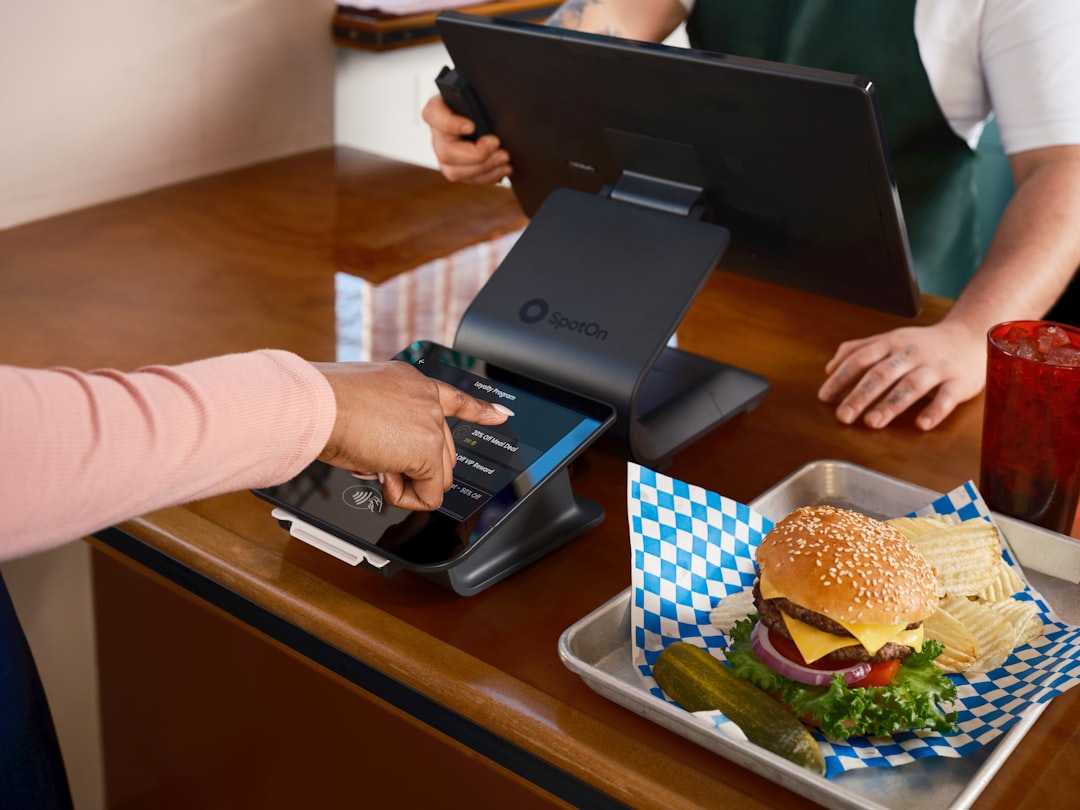
Photo by SpotOn on Unsplash.
Related: Referral Program vs Loyalty Program: Which Fits You?