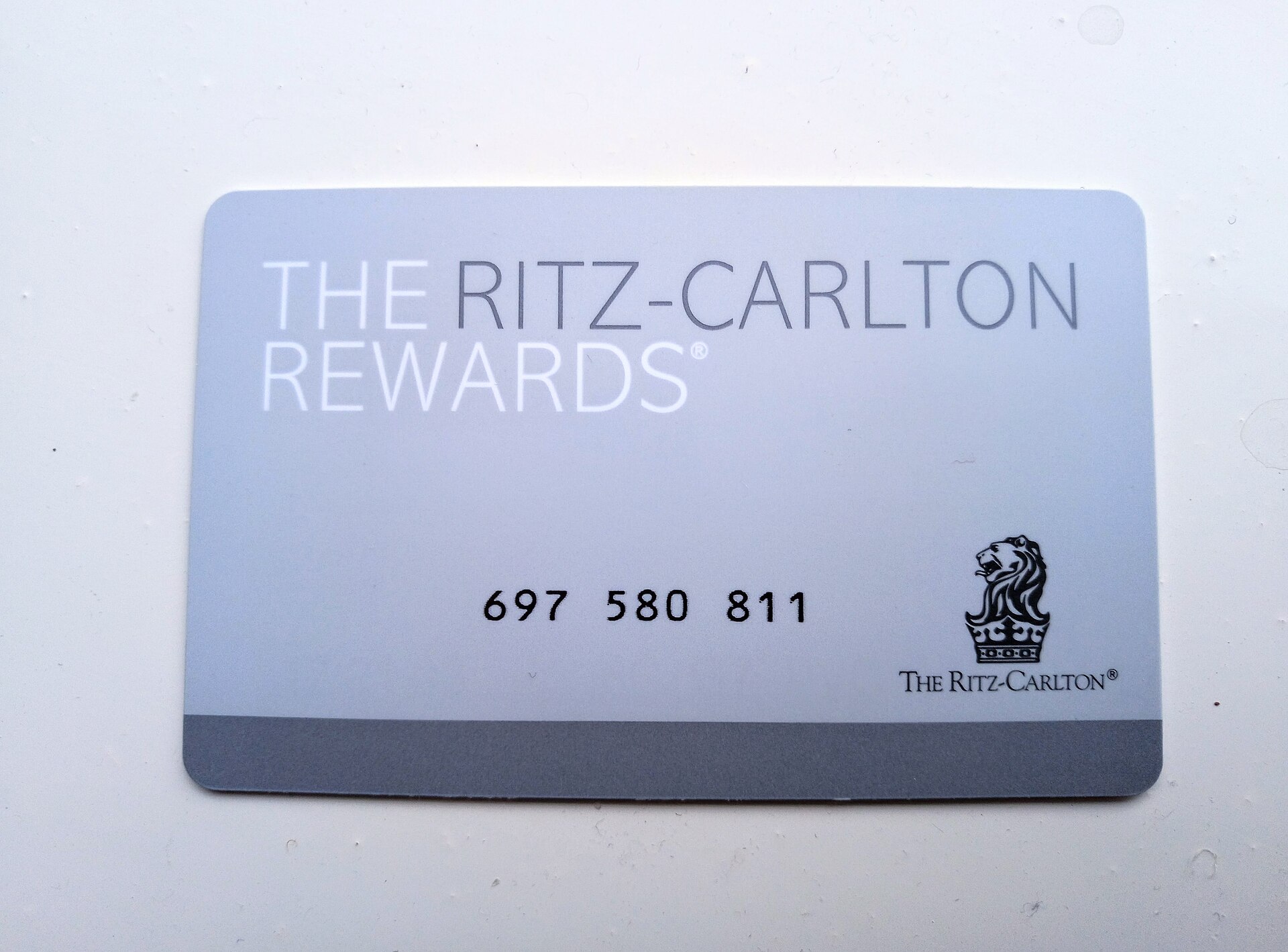
If you’ve got a bit of marketing budget to spend and you’re trying to decide between a referral program and a loyalty program, you’re really asking two different questions: do I need more customers, or do I need my current customers to stick around and spend more? Both programs use rewards to change customer behavior, but they’re built for different jobs.
This guide breaks down how each program works, what kind of business each one suits best, and why the two often work better as a pair than as an either-or decision.
Quick Answer
Choose a referral program when your priority is acquiring new customers by turning existing ones into advocates. Choose a loyalty program when your priority is keeping the customers you already have coming back more often and spending more per visit. Most growing businesses eventually run both, but it usually makes sense to launch the one that matches your most urgent goal first.
How Each Program Actually Works
A referral program rewards an existing customer for bringing in someone new — usually a discount, credit, or cash for both the referrer and the friend once the friend makes a purchase or signs up. The mechanics are simple: give people a shareable link or code, track who used it, and pay out the reward automatically. Because the reward is tied to a new customer showing up, referral programs are built for acquisition and tend to produce visible spikes in new sign-ups when you run a push or promotion.
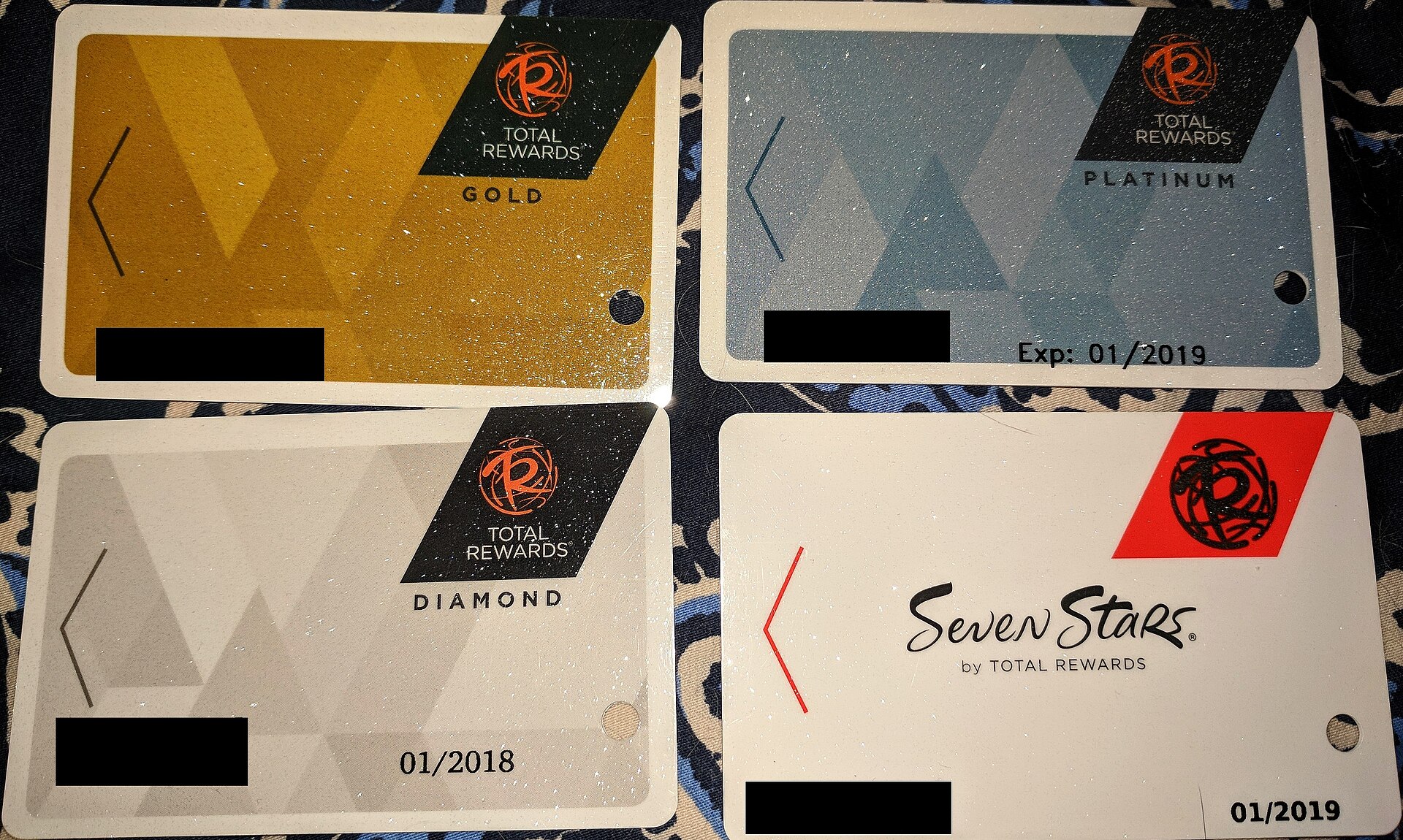
A loyalty program rewards the customer you already have for repeat behavior — points per purchase, tiered perks, punch cards, or exclusive access that accumulate the longer someone sticks around. There’s no ‘new person’ requirement; the customer earns just by continuing to buy. Loyalty programs are built for retention, and their value shows up gradually as repeat-purchase rate and average order value creep up over months, not overnight.
The core distinction: referral programs turn customers into a sales channel, while loyalty programs turn customers into repeat buyers. One grows your customer list; the other grows the value of the list you already have.
How to Decide Which One Fits Your Business
Start with your growth stage. If you’re a newer business or you’re actively trying to expand into a new market or location, a referral program gives you faster, more direct top-of-funnel growth because it puts your existing customers to work finding new ones. If you already have a steady flow of customers but see them buy once and disappear, a loyalty program addresses that leak by giving people a reason to come back.
Look at your purchase frequency. Businesses with frequent, repeatable purchases — coffee shops, salons, subscription boxes, gyms — get more mileage out of loyalty programs because there are lots of chances to earn and redeem points. Businesses with big-ticket, infrequent purchases — home services, real estate, high-end furniture — often get more value from referrals, since a single word-of-mouth introduction can be worth more than trying to build a points system around a purchase someone makes once every few years.
Consider your margins and reward budget. Referral rewards are typically paid out per new customer acquired, so you can tie the cost directly to your customer acquisition cost and know exactly what you’re paying for growth. Loyalty rewards are an ongoing cost spread across your entire repeat customer base, so they need to be modest enough per transaction that they don’t erode margin over time.
If both goals matter to you — and for most businesses they eventually do — you don’t have to pick one and abandon the other. A common approach is to launch a loyalty program first to lock in retention, then layer a referral offer on top that rewards loyal customers extra for bringing in friends. That way your most engaged customers become your best recruiters, and new referred customers get funneled straight into the loyalty program to keep them around.
Tips and Common Mistakes
Don’t launch either program before you know your reward math. Work out what a new customer or a repeat purchase is actually worth to you before deciding what to give away — a reward that’s too small won’t motivate anyone, and one that’s too generous will quietly wreck your margins.
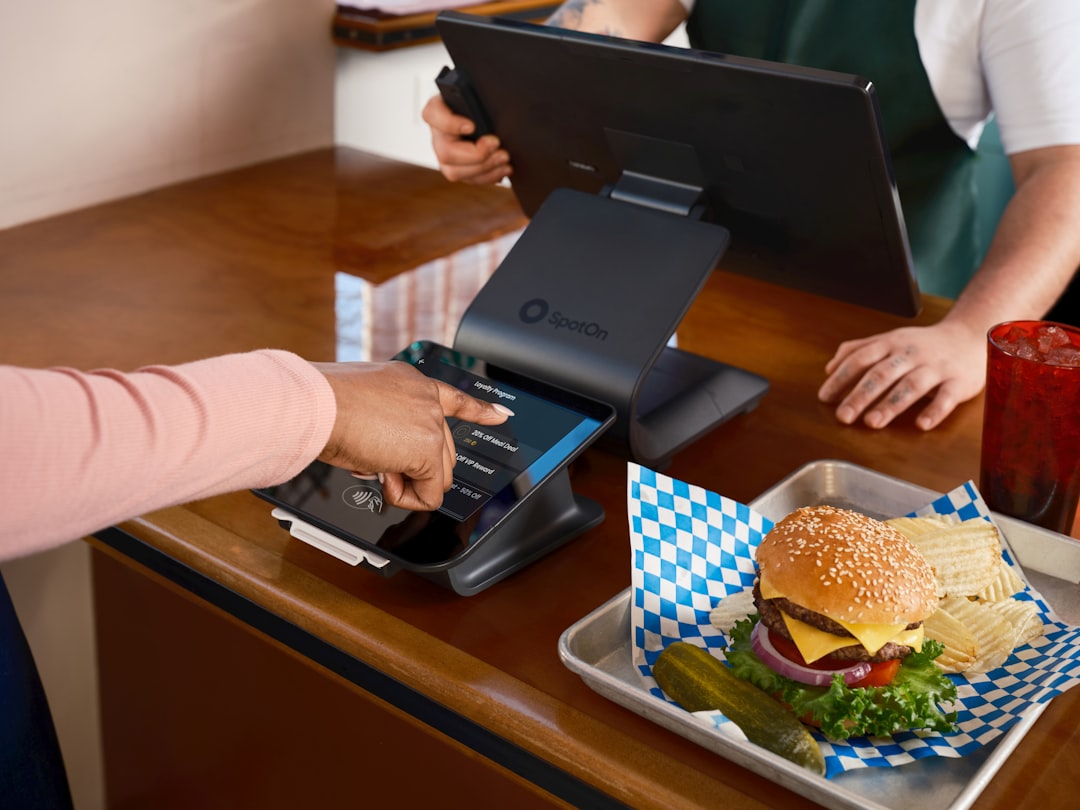
Don’t make the referral or redemption process complicated. If a customer has to remember a code, fill out a form, and wait weeks for a reward, most people won’t bother. Automated tracking and instant or fast payout dramatically increase participation in both program types.
Don’t treat these as ‘set and forget.’ Promote the program at natural moments — right after a purchase, in a receipt or confirmation email, or when a customer leaves a good review — instead of only mentioning it once at launch.
Don’t ignore your existing customer data before choosing. If you can see that most of your revenue already comes from repeat customers, retention (loyalty) is probably the bigger lever. If your customer list is small and mostly one-time buyers, acquisition (referral) is probably more urgent.
Explore more: More referral marketing strategies and guides.
Referral program vs loyalty program FAQs
Can a small business run both a referral and a loyalty program at the same time?
Yes, and many do. A common setup is a simple points-based loyalty program for everyday purchases, with a referral bonus layered on top so loyal customers earn extra for bringing in friends. Start with one if resources are limited, then add the second once the first is running smoothly.
Which program is cheaper to start, referral or loyalty?
Referral programs are often cheaper to start small because you only pay out when a new customer actually converts, so the cost scales directly with results. Loyalty programs usually require more upfront setup (a points system or tracking method) and an ongoing reward budget spread across your whole repeat-customer base.
Do referral programs work for businesses with infrequent purchases?
Yes — in fact, referral programs often perform especially well for big-ticket or infrequent-purchase businesses like home services or real estate, where a single trusted referral can be far more valuable than trying to build a points-based loyalty system around purchases people only make occasionally.
Turn Customers Into Your Growth Engine
Launch a referral program that turns happy customers into your best growth channel — with ReferralEarl. Try ReferralEarl.
Photo: Amin / CC BY-SA 4.0, via Wikimedia Commons.











1 thought on “Referral Program vs Loyalty Program: Which Fits You?”
Comments are closed.