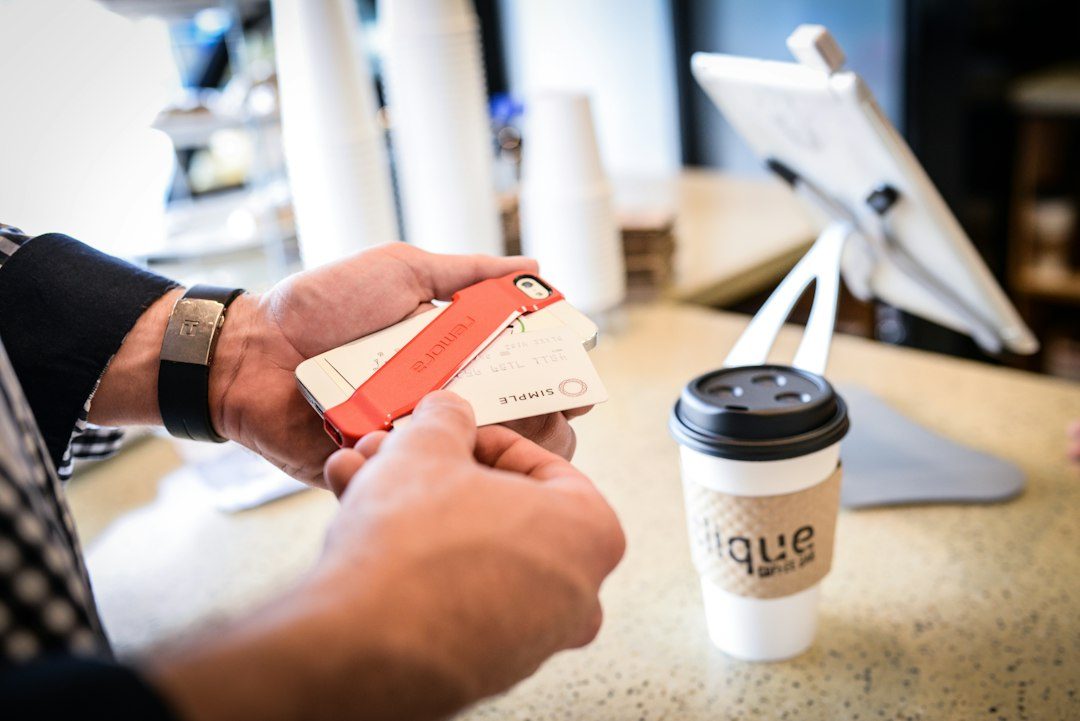
A loyalty punch card is still one of the cheapest, fastest ways for a small business to turn first-time buyers into regulars. You don’t need a big budget or a complicated app — just a clear reward, a simple way to track progress, and a habit of offering it to every customer.
This guide walks through choosing between paper and digital, setting rules that actually drive repeat visits instead of getting abused, and the setup steps for both formats so you can have something running this week.
Quick Answer
Pick a reward worth earning (a free item or a meaningful discount), set a punch count that’s reachable in 1-3 months of normal visits (usually 6-10 punches), and choose paper cards for the simplest low-cost setup or a digital tool (like Loopy Loyalty, Stamp Me, or Square Loyalty) if you want to track visits automatically and avoid lost cards.
Step 1: Design the Reward and the Rules
Start with the reward, not the card. It needs to feel worth coming back for but still be profitable for you — a free coffee, a free appetizer, 20% off a service, or a free add-on are common choices. Avoid rewards with a high cost per unit unless your margins support it.
Pick a punch count based on how often customers realistically visit. A daily coffee shop can use 8-10 punches since customers hit that fast; a business customers visit monthly (like a salon or car wash) should use a lower count like 5-6, or the reward will feel too far away and people will stop carrying the card.
Write the rules down somewhere visible: one punch per visit (not per dollar spent, which is harder to track and easier to dispute), no punches on the reward-redemption visit itself, and a simple statement on whether cards expire. Keeping it to one rule per line avoids confusion at the register.
Step 2: Choose Paper or Digital
Paper punch cards cost almost nothing to produce — a local print shop or an online printing service can turn out a simple card design cheaply, and you can even cut sturdy cardstock by hand to start. The tradeoff is that customers lose cards, staff can over-punch or under-punch, and you get no data on who’s close to a reward or how often people are actually returning.
Digital punch cards solve those problems by tracking visits automatically, but they don’t all work the same way. Loopy Loyalty is built specifically around Apple Wallet and Google Wallet: customers scan a QR code and the card saves straight to their phone’s wallet with no separate app to install (plans generally start in the mid-$20s per month). Stamp Me works differently — customers first download the free Stamp Me app and create an account to join a card, and can optionally save a member code to Apple or Google Wallet afterward for faster tap-in at the register. If you already use Square for payments, Square Loyalty can run a points-based rewards program tied to your point-of-sale, though it tracks points rather than a true ‘buy X get one free’ punch format. Check current plans, pricing, and sign-up flow for any tool before committing, since they vary by region and change over time.
If you’re not sure which to pick, start with paper. It costs little to test whether customers actually want a loyalty program before you invest time in setting up a digital tool.
Step 3: Set It Up and Get Staff on Board
For paper: design a card with your logo, the reward, and clearly numbered punch spots, print a batch, and keep a stamp or punch tool at every register or station. Hand a card to every customer at checkout — the biggest reason paper programs fail isn’t the format, it’s staff forgetting to offer it.
For digital: sign up with your chosen tool, build the card design (logo, colors, reward text), and set it to issue a punch each time staff scan the customer’s pass or app code. Put a sign-up QR code or poster at the counter and near the register so new customers can join quickly, and know in advance whether your chosen tool needs customers to install an app or just add a wallet pass.
Either way, train every staff member on the exact punch rule and reward process before launch, and keep a visible reminder near the register for the first few weeks so offering the card becomes automatic.
Tips / Common Mistakes
Don’t set the punch count so high that customers give up before reaching it — if you’re not seeing redemptions within a couple of months, lower the count or sweeten the reward.
Promote the program everywhere a customer already looks: at the register, on receipts, and on a small counter sign. A program nobody mentions doesn’t get used.
If avoiding app downloads matters to your customers, confirm how a digital tool actually onboards people before you choose it — some save a pass straight to Apple Wallet or Google Wallet, while others require installing the provider’s own app first.
Track whether the program is actually bringing people back more often, not just whether cards are being handed out. If a digital tool gives you visit data, check it periodically rather than only trusting gut feel.
Avoid stacking too many rules (minimum spend, blackout days, exclusions) — simplicity is what makes punch cards work in the first place.
Explore more: more growth strategies for small businesses.
loyalty punch card system FAQs
How many punches should a loyalty card require?
Most small businesses use somewhere between 6 and 10 punches. Base it on how often customers realistically visit — frequent, low-cost purchases (like coffee) support a higher count, while occasional purchases should use a lower one so the reward doesn’t feel out of reach.
Is a digital punch card worth it for a very small business?
If you’re just testing whether a loyalty program works, a cheap paper card is fine to start. Switch to a digital tool once you want automatic tracking, fewer lost cards, and the ability to see how often customers actually return.
Do digital loyalty punch cards require customers to download an app?
It depends on the tool. Some, like Loopy Loyalty, let customers add a pass directly to Apple Wallet or Google Wallet with no separate app. Others, like Stamp Me, have customers download the provider’s own app and create an account to join a card. If app-free sign-up matters to you, check a tool’s onboarding flow before committing.
What’s the biggest reason loyalty punch card programs fail?
Inconsistent offering at checkout. If staff don’t mention or hand out the card to every customer, the program never gets enough participation to drive repeat visits, regardless of format.
Turn Customers Into Your Growth Engine
Launch a referral program that turns happy customers into your best growth channel — with ReferralEarl. Try ReferralEarl.
Want this in your inbox? Subscribe to the free newsletter.
Photo by Blake Wisz on Unsplash.