
Winning a new wholesale account is expensive — reps, samples, credit checks, onboarding time. Losing one quietly to a competitor a year later is even more expensive, because most distributors never find out why the order stopped coming until it’s too late to fix it.
This guide walks through the retention strategies that actually move the needle for B2B wholesale distributors: what causes buyers to leave, how to build switching costs through service rather than just price, and the account management habits that keep repeat orders coming in.

Quick Answer
The distributors who retain accounts best combine a frictionless reorder process (self-service ordering, reliable stock, consistent delivery), proactive account management (regular check-ins instead of waiting for a complaint), and relationship-based incentives (volume pricing, early access, dedicated support) rather than competing on price alone.
Why Wholesale Buyers Actually Switch Suppliers
Buyers rarely leave over one bad shipment. They leave after a pattern: items out of stock when they need to reorder, a rep who’s hard to reach, pricing that feels inconsistent between orders, or a buying process that’s more work than it needs to be. A new hire on the buyer’s side who already has a relationship with a competing vendor can also trigger a switch — which is why retention has to be built into the account, not just into one person’s relationship with one rep.
Digital friction matters more than many distributors assume. Buyers who can easily check stock, see their own pricing, and reorder without calling or emailing are far less likely to go looking elsewhere just to save time. If your ordering process still depends on phone calls, faxed POs, or a sales rep manually keying in orders, that’s a retention risk even if your product and price are competitive.
Retention Tactics That Work for Distributors
Make reordering effortless. A self-service B2B ordering portal or EDI integration that lets repeat customers check inventory and place orders without a phone call removes the single biggest source of switching. Even a simple customer-specific order guide or standing order list cuts friction for high-frequency accounts.
Protect fill rates on the accounts that matter most. Inventory shortages are one of the most common reasons buyers start shopping competitors. Flag your top accounts for priority allocation when stock runs tight, and tell them proactively if an item will be delayed rather than letting them discover it when the order doesn’t show up complete.
Run scheduled account reviews, not just service calls. Quarterly or semi-annual check-ins with key accounts — reviewing order history, upcoming needs, and any issues — catch problems before they become a reason to leave. This is also the natural moment to introduce new SKUs or volume pricing tiers.
Use tiered incentives instead of one-off discounts. Volume-based pricing tiers, early access to new products, loyalty rebates tied to annual spend, or extended payment terms for long-tenured accounts give buyers a reason to consolidate purchasing with you rather than splitting orders across multiple vendors to chase the lowest price on each item.
Assign real account ownership. Accounts that have one consistent point of contact — someone who knows their order history, their business, and their pain points — are stickier than accounts routed to whoever picks up the phone. If a rep leaves, have a structured handoff so the relationship doesn’t reset to zero.
Close the loop on complaints and credits. How you handle a damaged shipment or a pricing error matters more to retention than the mistake itself. Fast, no-argument resolution on legitimate issues builds more loyalty than it costs in margin.
Tips / Common Mistakes
Don’t wait for churn signals to show up in sales reports — by the time an account’s order volume has visibly dropped, they’ve often already found a backup supplier. Watch for softer signs instead: shorter calls, slower responses to upsell offers, or a shift to smaller, more frequent orders (a sign they’re splitting business with a competitor).
Don’t compete only on price. Matching a competitor’s price on every renewal trains buyers to negotiate every single order and erodes margin without building loyalty. Lead with service reliability and account-specific value, and use pricing flexibility selectively for your most important accounts.
Don’t let your best accounts go unmanaged. Ironically, the easiest accounts to lose are sometimes the biggest ones — they order consistently and never complain, so they get the least attention, until a competitor targets them directly with a better offer.
Don’t skip a formal onboarding process for new wholesale accounts. A buyer who understands how to reorder, who to call, and what to expect on lead times in their first 90 days is far less likely to churn in year one than one who had to figure it out themselves.
Explore more: More customer loyalty strategies.
B2B wholesale distributor retention FAQs
What’s the biggest driver of customer churn for wholesale distributors?
Inconsistent fulfillment — items out of stock or late when a regular customer tries to reorder — combined with a clunky ordering process. Price matters, but buyers tend to tolerate price increases more easily than they tolerate unreliable service.
How often should distributors check in with wholesale accounts?
High-volume or strategic accounts typically warrant a quarterly business review; smaller accounts can be reviewed semi-annually. The key is making it scheduled and proactive rather than only reaching out when there’s a problem or an upsell.
Do loyalty programs work for B2B wholesale customers?
Yes, when they’re structured around volume tiers, early access, or rebates tied to annual spend rather than consumer-style points. B2B buyers respond better to incentives that reduce their total cost or risk than to gamified perks.
Should distributors offer self-service ordering to retain customers?
For repeat-order customers, yes — a self-service portal or EDI connection that lets buyers check stock and reorder without calling a rep removes one of the most common reasons buyers start looking at competitors.
Turn Customers Into Your Growth Engine
Launch a referral program that turns happy customers into your best growth channel — with ReferralEarl. Try ReferralEarl.
Want this in your inbox? Subscribe to the free newsletter.
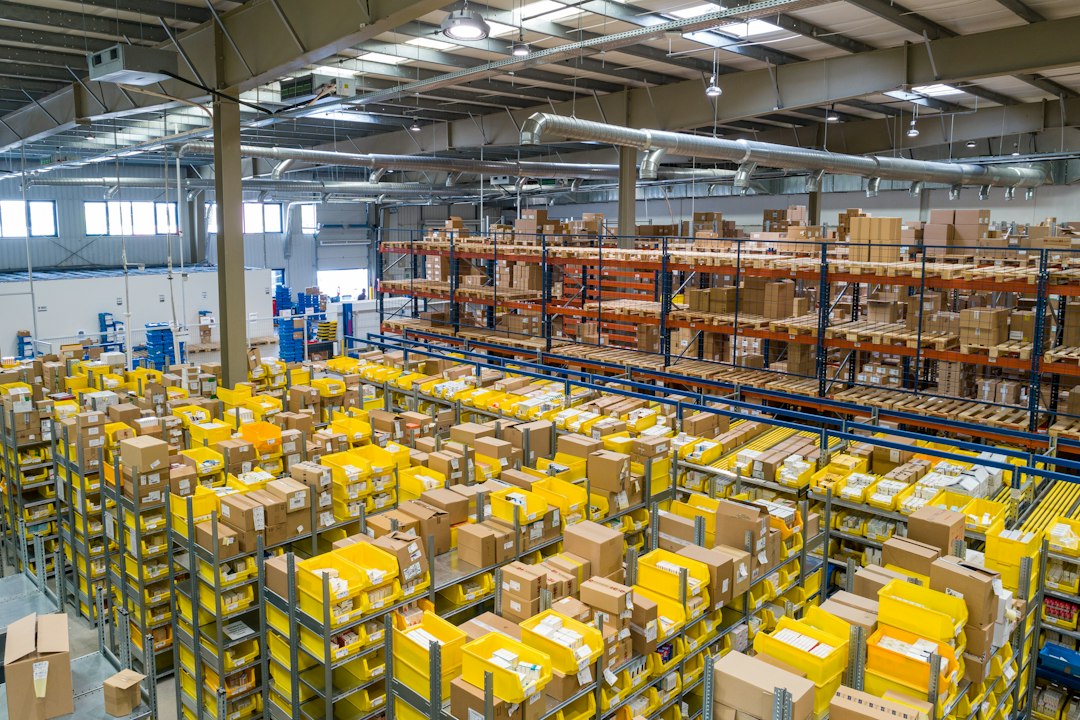
Photo by CHUTTERSNAP on Unsplash.