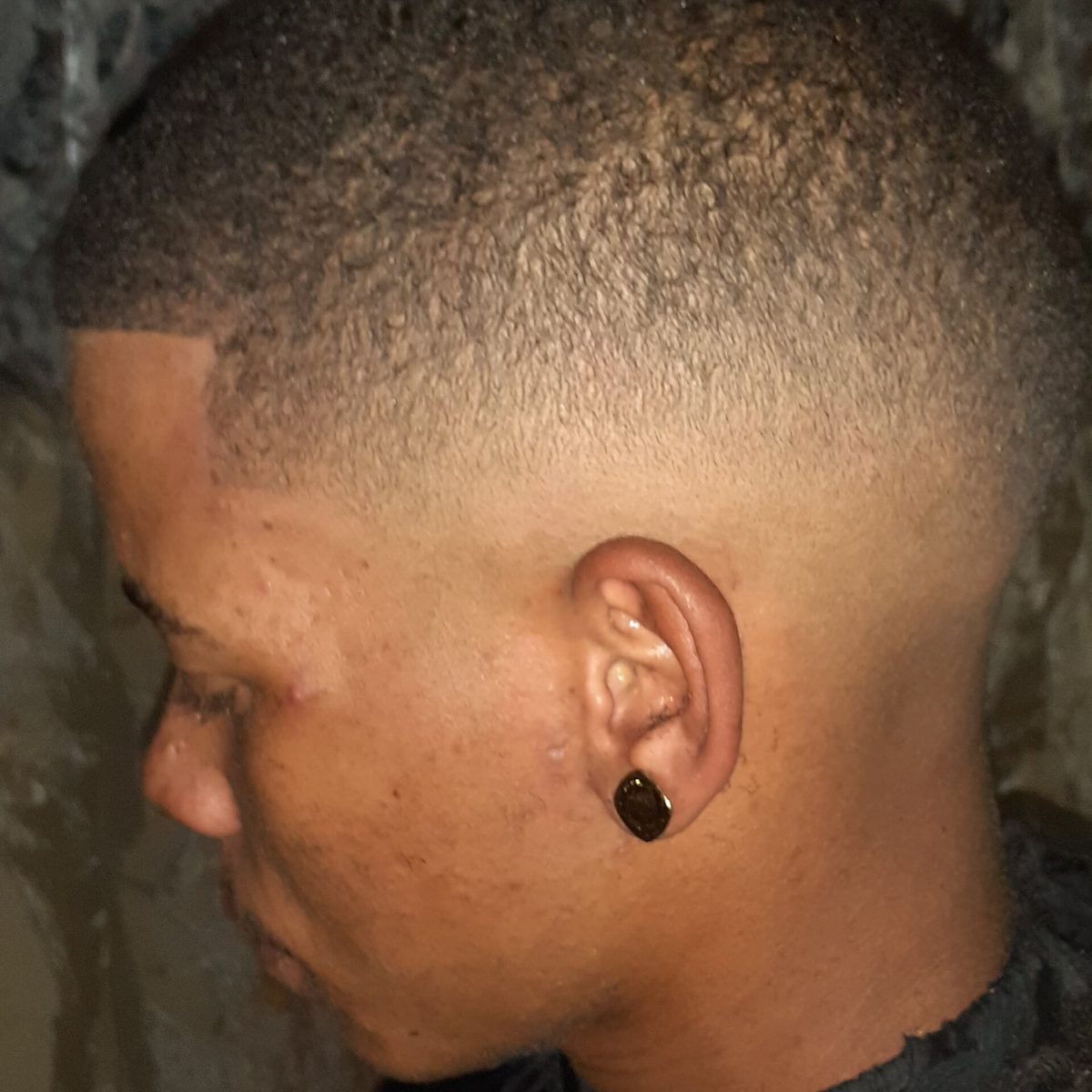
Empty chairs on a Tuesday afternoon usually aren’t a marketing problem you fix with another Instagram ad. They’re a problem you fix with the guys already sitting in your chair every three to four weeks, because the client who trusts your line-up is also the person most likely to drag a friend in next time.
This guide walks through practical, low-cost barbershop referral program ideas you can set up this week: what to offer, how to track it without extra software if needed, how to promote it so people actually use it, and the mistakes that quietly kill most shop referral programs before they get traction.
Quick Answer
The most effective barbershop referral programs pair a simple two-sided reward (something for the referrer and something for the new client) with a tiered incentive that scales up the more friends someone brings in, and they’re promoted constantly at the register, on receipts, and in texts — not left to a forgotten flyer by the door.
How to Structure the Offer
Start two-sided: the referring client gets a reward (a discount, a free add-on like a beard trim, or loyalty points) and the new client gets a reason to book their first appointment rather than sticking with their old barber. A one-sided offer only motivates the person already loyal to you; a two-sided offer gives both people a reason to act.
Tiering works well in a shop setting because regulars come in often enough to stack referrals over a few months. A simple structure might be: one referral earns a discount on the next cut, three referrals earns a free haircut, and five earns a free cut plus a product (pomade, beard oil, whatever you already sell at the counter). The exact numbers matter less than having a visible ladder people want to climb.
Keep the reward relevant to what you sell. Cash-back or gift-card style rewards work, but rewards that get someone back in your chair (a free cut, a free add-on service) are often better for a barbershop specifically, because they guarantee a return visit instead of just a payout.
Decide whether the program runs year-round or as a recurring campaign (for example, a ‘bring a friend’ push every slow month). A standing program is easier to maintain with less promotion effort; a time-boxed campaign creates urgency and is useful for filling a historically slow season.
Promoting and Tracking Referrals
A referral program nobody knows about doesn’t work. Mention it at checkout every time — a verbal callout from the barber or front desk (‘hey, if you send a buddy in, you both get $X off’) outperforms a sign on the wall that people stop noticing after week one.
Put it everywhere a client already looks: on the printed or texted receipt, in a follow-up SMS or email a day after the appointment, on a card handed over at checkout with a QR code to your booking page, and on the shop’s Instagram or Google Business posts.
For tracking, you don’t need anything elaborate to start. A unique discount code per client (their first name plus a number), a simple punch card, or a referral field in whatever booking software you already use (many booking platforms used by barbershops include some form of client notes or promo code support) is enough for a single-location shop. Only look at a dedicated referral-tracking add-on once volume makes manual tracking a real time sink.
Ask new clients how they heard about you at check-in and log it. This is the only reliable way to know which referral sources (and which referring regulars) are actually driving business, so you can thank — or reward more heavily — the clients sending the most people your way.
Tips / Common Mistakes
Don’t make the reward so small it’s forgettable, or so generous it erodes your margin on every visit — compare it to what you’d spend acquiring a new client through paid ads or discounts, and price the referral reward below that.
Don’t let staff forget to mention the program. Train every barber and front-desk person to bring it up at checkout; the best referral program in the world fails if it’s never said out loud.
Don’t make redemption complicated. If a client has to remember a code, fill out a form, or wait weeks for a reward, they’ll stop bothering. The fewer steps between ‘I referred someone’ and ‘I got my reward,’ the better it performs.
Don’t ignore your best referrers. A quick thank-you, a small bonus, or public recognition (a shoutout on the shop’s social media) for your top referring clients costs almost nothing and keeps them motivated to keep sending people your way.
Don’t run the program only when business is slow and then drop it. Clients remember inconsistency, and a program that disappears and reappears loses the trust needed to make people actually use it.
Explore more: more referral marketing strategies.
Barbershop referral programs FAQs
What’s a fair reward for a barbershop referral program?
A discount on the next cut (for example, a percentage off) or a free add-on service for the referrer, paired with a discount for the new client’s first visit, is a common and sustainable starting point. Scale up rewards for clients who refer multiple people.
Should the referral reward be cash or a free service?
Free services or discounts on future visits tend to work better for barbershops because they bring the client back into the chair, whereas cash or gift cards can be redeemed anywhere and don’t reinforce the habit of rebooking with you.
How do I track referrals without buying new software?
Use a unique discount code per client, a simple punch card at the register, or ask every new client how they heard about you and log it manually. This is enough for most single-location shops to start.
How often should I promote the referral program?
Constantly — at checkout, on receipts, in follow-up texts or emails, and periodically on social media. Programs that are mentioned only once when launched are quickly forgotten by staff and clients alike.
Turn Customers Into Your Growth Engine
Launch a referral program that turns happy customers into your best growth channel — with ReferralEarl. Try ReferralEarl.
Want this in your inbox? Subscribe to the free newsletter.
Photo: Lorenzop1 / CC BY-SA 4.0, via Wikimedia Commons.