Loyal customers are valuable — but customers who feel they belong to something are transformative. They return more often, spend more freely, and bring others with them. The shift from a transactional relationship to a genuine community is what separates brands like Harley-Davidson and Sephora from competitors who offer similar products at similar prices.
This guide walks you through the practical steps to define, launch, and grow a brand community — from choosing the right platform to turning your most engaged members into advocates who do the recruiting for you.
Quick Answer
Build a brand community by first defining a clear shared identity beyond your product, then choosing one platform that matches your audience’s existing habits, and consistently rewarding participation with recognition, exclusive access, and genuine connection. Communities built around passion, shared purpose, or professional practice outperform those built purely around discounts.
Step 1: Define Your Community’s Purpose Before Picking a Platform
The single biggest mistake brands make is launching a community space before knowing why members would show up. Before choosing any tool, answer this question: what does membership give someone that they can’t get elsewhere? Successful brand communities tend to fall into one of three archetypes. Communities of passion unite enthusiasts around a shared identity — think Nike Run Club or Harley-Davidson’s H.O.G. chapter network. Communities of practice bring professionals together to solve problems and learn — Salesforce’s Trailblazer community and Atlassian’s forums are textbook examples. Communities of purpose rally members around a shared mission or set of values, as Patagonia does with its environmental advocacy.
Once you know which archetype fits your brand, write a one-sentence community mission. This shapes every content decision, moderation rule, and member invitation that follows. A fitness brand’s community might exist ‘to help members stay consistent’ — not ‘to promote our products.’ That small shift in framing changes everything about how members experience the space.
Step 2: Choose a Platform That Matches Your Audience
Platform choice should follow audience behavior, not trend. If your customers are already on Discord (common in gaming, tech, and younger demographics), start there. Facebook Groups work well for broad consumer audiences who are already embedded in the platform. LinkedIn Groups suit B2B and professional communities. Reddit-style forums work for candid, peer-to-peer discussion — but require strong moderation from the start.
If you want more control, data ownership, and customization, branded community platforms like Circle or Mighty Networks let you build an owned environment with discussion threads, courses, events, and member directories all in one place. These are worth the investment once your community has momentum and you want to reduce dependence on third-party algorithms. Starting on a social platform and migrating later is a common and workable path — just export member data regularly so you’re not locked in.
Step 3: Create Consistent Value and Recognize Your Members
A community without a content rhythm dies quietly. Build recurring touchpoints: a weekly discussion prompt, a monthly live Q&A, user spotlights, or an annual virtual event. LEGO Ideas runs an ongoing co-creation challenge where fans submit product concepts and vote on each other’s designs — the strongest submissions become real LEGO sets. GoPro turns user-submitted footage into featured brand content. In both cases, participation is the reward, and the brand receives genuine market insight at no cost.
Recognition systems are equally important. Leaderboards, badges, early product access, ambassador tiers, and personal shoutouts from the brand all signal that showing up matters. Sephora’s Beauty Insider is a good example of layering community alongside a loyalty program: the spend-based tier system (Insider, VIB, and Rouge are unlocked by annual purchase thresholds) runs alongside a companion forum called the Beauty Insider Community, where members at every tier share looks, ask questions, and post product reviews. The forum deepens brand connection beyond the transaction without requiring participation to advance a member’s status. You don’t need a complex points engine to start — even a monthly member spotlight email moves the needle in early stages.
Step 4: Empower Champions and Bridge Online With Offline
Every community has a handful of members who contribute far more than average. Identify them early, give them a formal role — moderator, ambassador, beta tester — and equip them with resources. These champions extend your moderation capacity, mentor new members, and become the face of the community to outsiders. Nike’s run clubs rely on local leaders to organize in-person events; the app provides the platform, but the people create the experience.
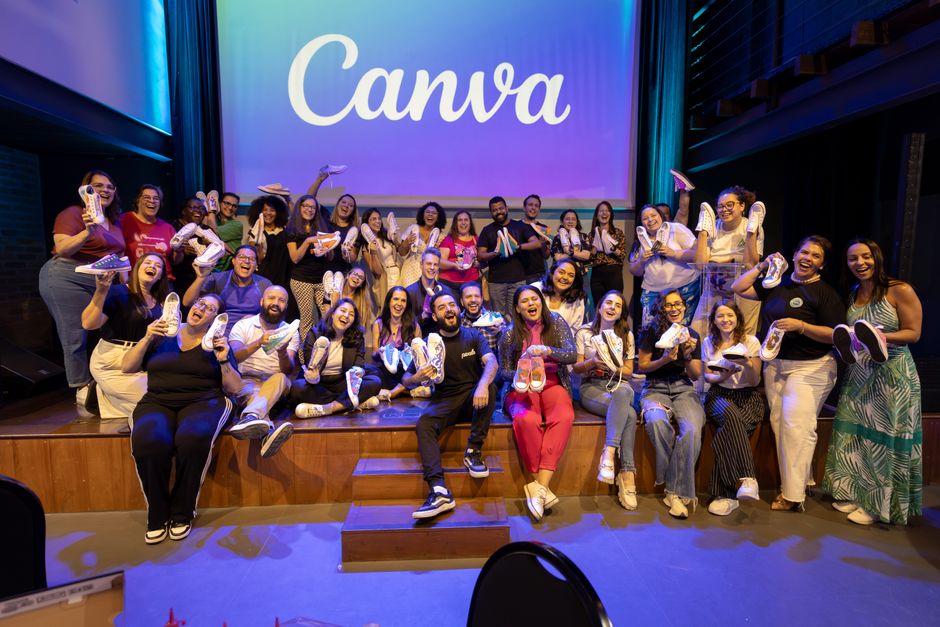
Wherever possible, bridge digital and physical. In-person meetups, local chapters, branded events, and pop-up experiences create emotional memories that no amount of online content can replicate. Harley-Davidson’s H.O.G. rallies are legendary precisely because the shared experience of riding alongside fellow owners is irreplaceable. Even a small, scrappy meetup for a handful of your most engaged members can generate loyalty that lasts years.
Common Mistakes to Avoid
Launching too broad is the most common error. A community for ‘everyone who likes our brand’ has no identity. Narrow the audience — ‘first-year runners training for a 5K’ is a better starting point than ‘fitness enthusiasts.’ You can expand later once the culture is established. Launching to a large audience before the space feels alive also backfires: a quiet, half-populated forum feels worse than no forum at all. Seed the community with a group of highly engaged early adopters before opening the doors widely.
Treating the community as a marketing channel is the fastest way to kill it. Members immediately recognize when a space exists to push products rather than serve people. Keep promotional content to a small fraction of total posts and ensure the majority of conversations are member-initiated. Finally, avoid measuring only vanity metrics like follower counts or total posts. The numbers that matter are active member rate, return visit frequency, and how community members compare on retention and purchase behavior against non-members.
Explore more: Customer Loyalty Guides.
Brand Community Building FAQs
What’s the difference between a loyalty program and a brand community?
A loyalty program is transactional — members earn rewards for purchases. A brand community is relational — members engage, connect, and contribute beyond the point of sale. The two work best in combination: a community gives your loyalty program an emotional home, while the loyalty program gives community members tangible reasons to stay active.
Which platform is best for building a brand community?
There’s no single best platform — it depends on your audience. Discord works well for younger, tech-savvy communities; Facebook Groups suit broad consumer audiences; Circle and Mighty Networks are strong choices for owned, branded environments with more control and data ownership. Start where your audience already spends time and consider migrating to an owned platform once you have critical mass.
How long does it take to build an active brand community?
Most brand communities take six to twelve months to develop a self-sustaining rhythm where members regularly initiate conversations without prompting from the brand. The early months require heavy investment in content, moderation, and personal outreach to seed engaged members. Opening too broadly before a core culture is established typically leads to a ghost town.
Turn Customers Into Your Growth Engine
Launch a referral program that turns happy customers into your best growth channel — with ReferralEarl. Try ReferralEarl.
Photo: ZMcCune (WMF) / CC BY-SA 4.0, via Wikimedia Commons.