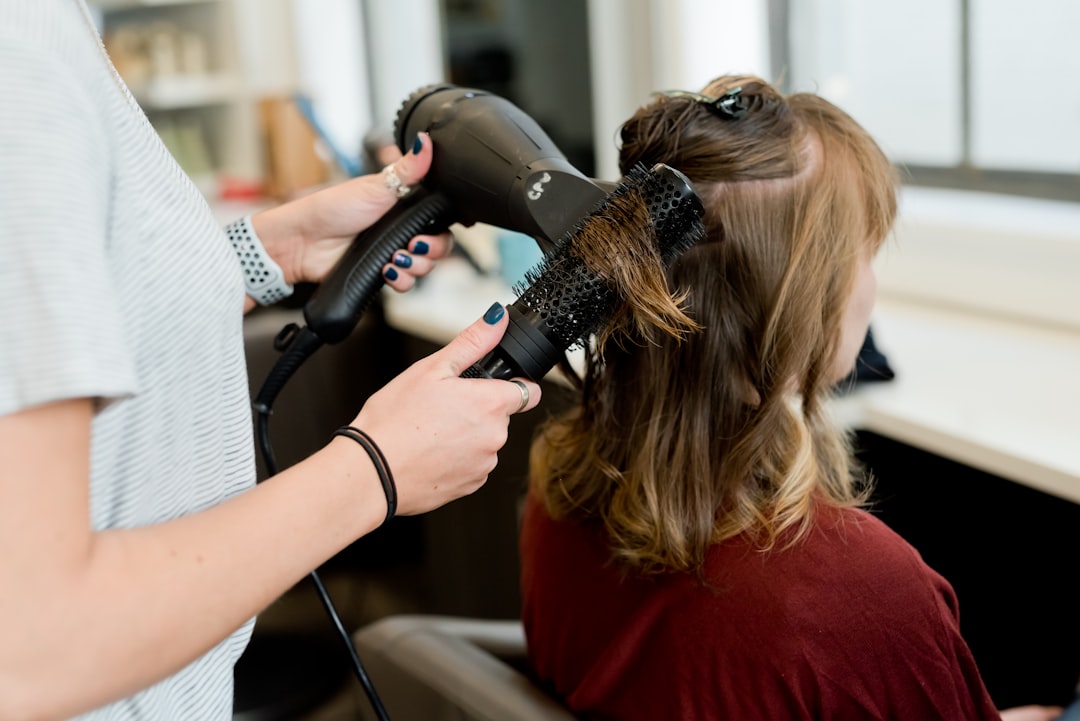
Word of mouth has always been the backbone of a thriving salon. A well-designed referral program — or referral scheme, if you’re used to that term — turns that organic chatter into a predictable, repeatable booking engine that works every month, not just when you get lucky.
This guide covers the reward structures and incentives that actually motivate clients to send their friends, how to promote the program so it doesn’t quietly die after launch, and the mistakes that keep most salon referral schemes from gaining traction. Whether you run a single-chair suite or a multi-stylist studio, the ideas below are practical and immediately actionable — you don’t need a big marketing budget, just the right incentive, a clear ask, and a system that tracks it without extra manual work.
Quick Answer
The most consistently effective salon referral scheme gives something valuable to both the referring client and the new client at the same time — for example, a service credit or product credit for the referrer plus a welcome discount for the new booking. Keep the reward meaningful (not trivially small), make redemption automatic through your booking software, and remind clients about the program at checkout, in appointment confirmations, and via SMS or email.
What Makes a Salon Referral Incentive Actually Work
A referral incentive only works if both sides feel the trade is worth it. Dual-sided (give-and-get) schemes outperform single-sided ones because the new client has a concrete reason to book instead of just a vague recommendation — ‘my friend gets something and so do I’ is a far easier pitch for a client to make to their friend than ‘you should try my salon.’
Single-sided schemes, where only the referrer is rewarded, are simpler to run and cost less per referral, but they convert fewer referrals into actual bookings because the new client has no immediate incentive to pull the trigger. If you’re just starting out, dual-sided is the safer bet; you can always test a single-sided ‘refer and earn’ variant later once you know your numbers.
7 Salon Referral Program Ideas That Work
Dual-sided (give-and-get) programs remain the most popular structure for good reason: both parties win, so the new client has a reason to actually book. Aveda’s well-documented ‘25/20′ referral model gives the new guest a $20 credit toward their first service, and once they’ve redeemed it, the referring client earns a $25 retail product credit. The slightly larger reward for the referrer — delivered as a product credit rather than a service discount — supports retail sales while keeping the salon’s net cost manageable.
Some salon chains run give-and-get programs where the referrer and the new guest each receive a matching service credit once the new guest’s first appointment is complete, tracked automatically through a personal referral link in the client’s account. The exact dollar amounts matter less than making both sides feel genuinely rewarded and removing any manual steps from claiming the reward.
Tiered or milestone schemes reward clients progressively as they refer more people — for example, one referral earns a free add-on like a deep-conditioning treatment or brow shape, five referrals unlock a free haircut or blowout, and top referrers gain VIP perks like priority booking or early access to seasonal promotions. This works especially well for building a small group of enthusiastic advocates rather than passive participants.
Free add-on upgrades are low-cost to deliver but feel premium to receive. Offer the referrer a complimentary scalp massage, gel topcoat, or paraffin dip on their next visit instead of a flat discount — these upgrades have high perceived value and encourage the client to rebook, solving two problems at once.
Service credit accounts let clients accumulate referral earnings over time. Each confirmed referral deposits a credit into their client profile, redeemable against any future service — easy to manage inside platforms like GlossGenius, Vagaro, Mangomint, or Zenoti, which all support client profile notes and balance tracking.
Local business partnerships extend your referral network beyond existing clients. Set up a cross-referral arrangement with a complementary business nearby — a boutique gym, bridal shop, or day spa — where each side’s staff hands out the other’s referral card or discount code. It costs nothing but a conversation and widens your reach past people who already know you.
Seasonal referral campaigns give your program a natural burst of energy. Run a ‘Bring a Friend in October’ push tied to a fall color refresh, or a January campaign for clients who want a new look in the new year. Time-limited campaigns create urgency and give your team a concrete thing to talk about at checkout.
Salon Referral Incentives: How Much to Give
There’s no single correct reward amount — it depends on your average ticket price and margin — but most salons land on one of a few patterns. A flat credit on both sides (such as the $20/$25 Aveda-style split, or a matched service credit on each side) is the easiest for clients to understand and the easiest for staff to explain at checkout.
A percentage-based incentive, like 10–15% off for the new client and a matching discount for the referrer, scales naturally with ticket size and is common among smaller independent salons that don’t want to set a fixed dollar figure. Tiered incentives (small reward for one referral, a bigger reward or free treatment at three or five referrals) cost more to administer but tend to produce your most loyal repeat referrers.
As a rule of thumb, keep the reward meaningful enough that a client would actually mention it unprompted — a $5 discount rarely gets talked about, but a free add-on service or a $20–$25 credit usually does.
How to Set Up Your Salon Referral Program Step by Step
Step 1 — Choose your reward and set clear terms. Decide what the referrer earns, what the new client receives, when each reward triggers (typically when the new client completes their first paid appointment), and whether rewards expire. Write this down in one short paragraph you can share with clients.
Step 2 — Add a referral field to your intake form. Every new client should be asked ‘How did you hear about us?’ with an option to enter a specific client’s name. Platforms like Mangomint let you add a ‘Referred by’ field to digital intake forms that feeds directly into client profiles for easy tracking.
Step 3 — Choose how clients share referrals. You can use physical referral cards with a unique code, a shareable link clients can text or post, or simply a name-based honor system tracked in your software. Digital methods are easier to track and harder to lose than paper cards.
Step 4 — Train your staff to mention the program. The best promotion happens at checkout. Give your team a one-sentence script: ‘We have a referral program — if you send a friend, you both get [reward]. We can drop a card in your bag or text you a link.’ Most clients only join a referral scheme because a person they trust told them about it.
Step 5 — Make redemption automatic. If clients have to remember to ask for their credit, many won’t. Configure your booking software to apply credits automatically when a new referred client checks in, or flag referral rewards in the client profile so the front desk handles it without the client needing to advocate for themselves.
Step 6 — Monitor and adjust monthly. Track how many referrals are being made, which clients are your top referrers, and what the referred clients’ rebooking rate looks like. If the program is quiet, raise the reward or add a time-limited campaign. If you’re giving away too much margin, dial the reward back slightly.
How to Promote Your Referral Scheme So Clients Actually Use It
The single biggest reason salon referral programs fail is that they’re announced once and then forgotten. Plan to communicate your program through at least three separate channels: an in-salon sign or mirror cling at reception, a mention in every appointment confirmation email or text, and a verbal reminder at checkout.
Layer in digital touchpoints too — a pinned social media post with the referral link, a line in your monthly newsletter, and a QR code on receipts that drops straight into a referral landing page. Clients referred through a frictionless digital link are far more likely to follow through than clients who have to remember a code or fill out a paper card later.
Common Mistakes That Keep Salon Referral Schemes From Working
Making the reward too small is the most common mistake — a discount so minor it isn’t worth mentioning won’t get mentioned. Close behind that is requiring too many manual steps to redeem a reward; every extra step a client has to take to claim their credit is a chance for them to forget and give up.
Other schemes stall because they’re promoted once at launch and never again, because staff aren’t actually trained to bring it up at checkout, or because there’s no tracking system, so nobody can tell which clients are referring and which rewards are owed. Fix these four issues — reward size, redemption friction, ongoing promotion, and tracking — and most stalled referral programs start moving again within a month or two.
Photos
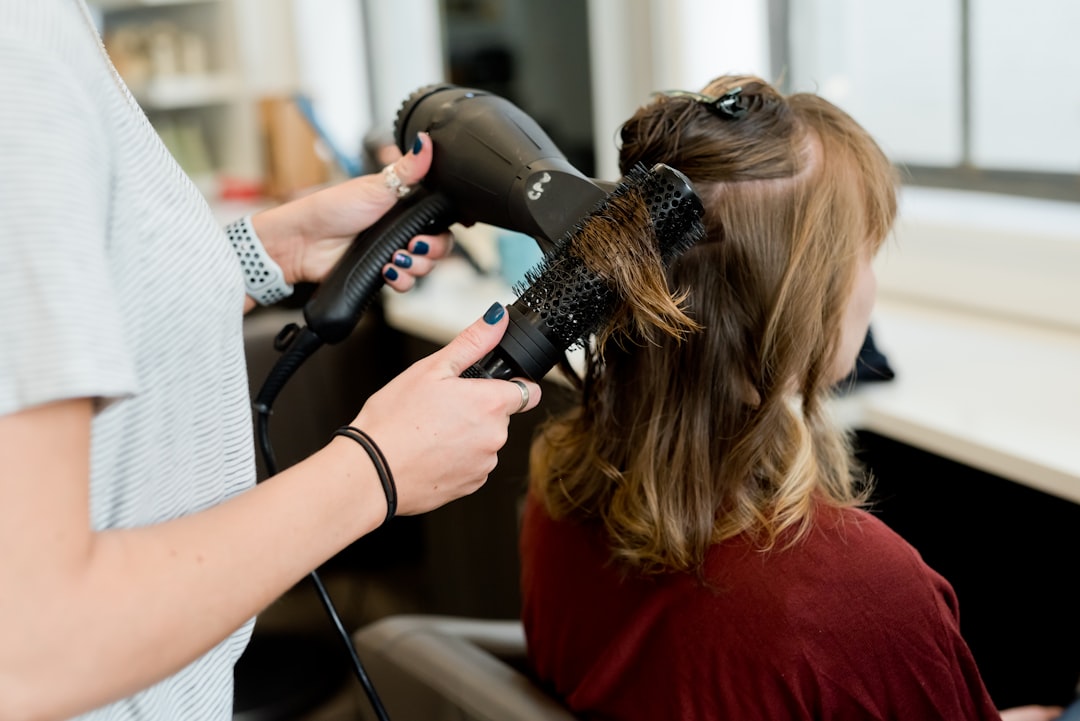
salon referral program ideas FAQs
What is a good referral incentive for a salon?
A dual-sided incentive in the $15–$25 range per side, or 10–15% off, tends to work well for most salons — meaningful enough for clients to mention, but small enough to protect margin. Service credits and free add-ons (a scalp massage, gel topcoat) often feel more generous than their dollar value, so they stretch your budget further than a straight discount.
Should a beauty salon referral program reward the new client too, or just the referrer?
Reward both sides if you can. A dual-sided beauty salon referral program — where the existing client and the new client each get something — converts noticeably better than rewarding only the referrer, because the new client has an immediate reason to book rather than just a friend’s suggestion.
How do I track referrals without extra admin work?
Add a ‘Referred by’ field to your digital intake form and use your booking platform’s client profile notes or credit-balance feature (most systems, including GlossGenius, Vagaro, Mangomint, and Zenoti, support this) so credits apply automatically when the referred client checks in, instead of relying on staff to remember.
Is a referral scheme worth it for a small, single-chair salon?
Yes — arguably more so than for large salons, since a single-chair business depends heavily on a small base of loyal clients. A simple honor-system referral scheme with one clear reward and a verbal ask at checkout costs nothing to run and typically pays for itself with just one or two new recurring clients a month.
How often should I change or refresh my salon’s referral scheme?
Review performance monthly, but only change the core reward if referrals are consistently quiet or margin is getting squeezed. Instead of overhauling the program often, layer in short seasonal campaigns (a ‘bring a friend’ push tied to a season or holiday) on top of your standing offer to create fresh urgency without confusing returning clients.
Turn Customers Into Your Growth Engine
Launch a referral program that turns happy customers into your best growth channel — with ReferralEarl. Try ReferralEarl.
Want this in your inbox? Subscribe to the free newsletter.