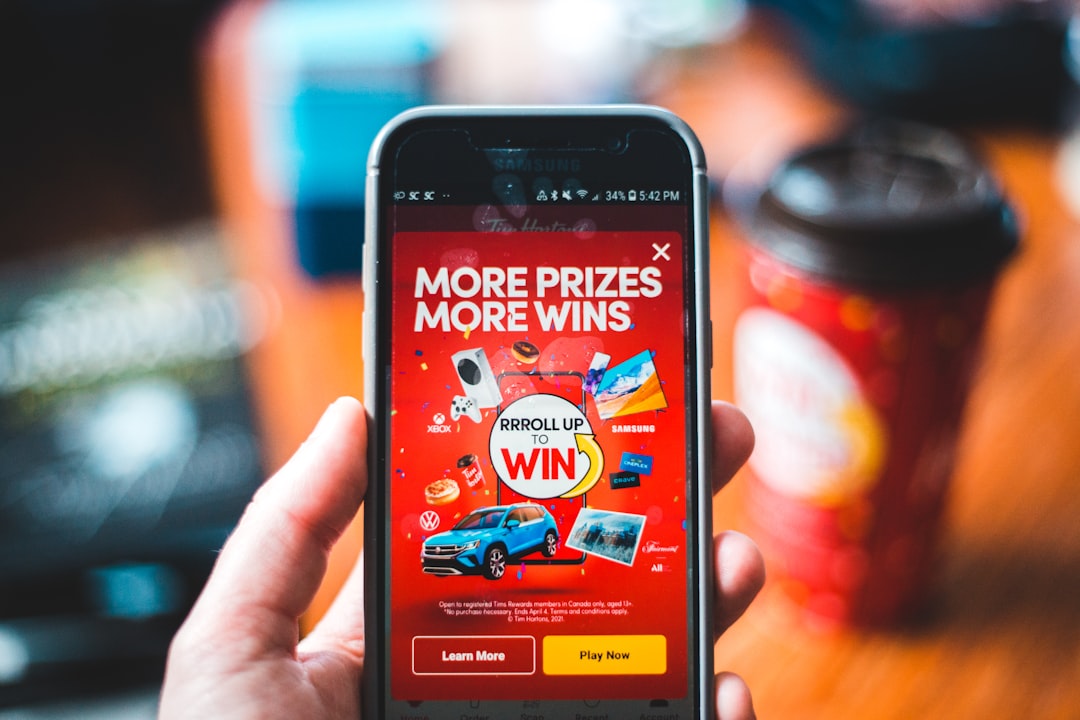
A points balance sitting in an email footer won’t keep customers coming back — but a challenge they’re three steps from completing just might. Gamification transforms a static loyalty program into something customers actively think about, return for, and compete within.
This guide walks through the core game mechanics that work, real-world brand examples you can learn from, the platforms that make setup straightforward, and the mistakes that cause most programs to underperform.
Quick Answer
Gamification adds game mechanics — points for actions, tiered levels, challenges, streaks, badges, leaderboards, and chance-based rewards like spin-the-wheel — to a loyalty program to make participation feel engaging rather than transactional. Start with one mechanic tied to one target behavior, measure the lift, then expand.
The Core Gamification Mechanics (With Real Brand Examples)
Points for actions is the foundation most programs build on. Rather than rewarding only purchases, you award points for referrals, reviews, social shares, profile completion, and app check-ins. Starbucks Rewards does this well — members earn Stars not just for buying drinks but for completing rotating Bonus Star Challenges, giving regulars a reason to change their order or visit at a new time of day.
Tiers and progression give customers a status to protect. Sephora’s Beauty Insider program runs three levels — Insider, VIB, and Rouge — each with escalating perks. The desire to reach and hold a higher tier drives repeat spending far more reliably than any single reward.
Challenges and streaks attach urgency to specific behaviors. A ‘Shop 3 times this month for a bonus reward’ challenge creates a short-term goal that pulls customers back within the campaign window. Bergzeit Club, the outdoor sports retailer’s loyalty program, takes this further by integrating with fitness trackers to award members points for daily physical activity — turning real-world habits into loyalty currency.
Chance-based rewards — spin-the-wheel, scratch cards, instant reveals — add novelty and emotional lift. ASDA Rewards built a spin-the-wheel mechanic into their app that drove sustained repeat engagement because the unpredictability of the reward is itself part of the appeal. These work especially well at enrollment or as reactivation tools for lapsing members.
Leaderboards and social mechanics introduce peer competition. Nike Run Club uses public rankings and shared milestone badges to make individual progress feel communal, which suits any category where customers share an identity. Note: leaderboards require a large enough active user base to feel competitive — smaller programs often do better with personal progress bars instead.
Treasure hunts and quests create narrative. Virgin Red ran ‘V marks the spot,’ hiding physical and digital coins across 17 partner brands to drive discovery of the full rewards ecosystem. McDonald’s Monopoly — now a recurring seasonal campaign — remains the most widely recognized collectible mechanic in retail, driving visits over weeks rather than days through the psychology of incomplete sets.
How to Set Up Gamification in Your Loyalty Program (Step by Step)
Step 1 — Define one behavior you want to change. Gamification works best when it targets something specific: more frequent visits, a higher basket size, a first review, or a referral. Trying to gamify everything at launch spreads effort and confuses customers. Pick the behavior with the clearest business value and build the first mechanic around that.
Step 2 — Choose the mechanic that fits the goal. Challenges and streaks work best for frequency. Tiers work best for spend. Referral quests work for acquisition. Spin-the-wheel and scratch cards work for enrollment and reactivation. Match the mechanic to the goal, not to what looks impressive in a platform demo.
Step 3 — Pick a platform. Antavo Loyalty Cloud is a strong choice for mid-market and enterprise brands — it offers no-code setup for prize wheels, gamified profile quizzes, badge systems, and even wearable API integration (including Garmin) for activity-based rewards. LoyaltyLion integrates tightly with Shopify and handles tiers, referrals, and points-for-actions without heavy development work. Yotpo bundles loyalty with reviews and UGC, which is useful if you want to reward customers for leaving reviews as part of the gamification loop. Smile.io is a well-established general e-commerce option with a straightforward points-and-tiers setup that is easy to launch quickly.
Step 4 — Build a visible reward loop. Every mechanic needs a progress indicator, a clear prize, and a defined end state. If customers can’t see how close they are to a reward, the game feeling disappears. Progress bars, point counters, and challenge countdown timers are not optional UX details — they are the core engine of engagement.
Step 5 — Launch, promote, then measure. Announce the mechanic via email and push notifications and explain the rules in plain language. Track redemption rate, engagement frequency, and any change in the target behavior over a 60-to-90-day window before drawing conclusions, then iterate and expand to a second mechanic.
Common Mistakes to Avoid
Gamifying too many behaviors at once is the most common error. When every action earns points and every week brings a new challenge, the program loses its sense of achievement. Scarcity and specificity are what make rewards feel meaningful — spread them too thin and you get noise.
Rewarding only purchases misses the broader opportunity. The value of gamification is extending the relationship beyond the checkout. Points for reviews, referrals, and social actions cost little to deliver and create habitual engagement between purchase cycles, which is where most loyalty programs go dark.
Ignoring mobile experience kills participation. Leaderboards customers can’t find, challenge trackers buried deep in account settings, and prize wheels that don’t render properly on phones all undermine the mechanic before it gets a chance. If the gamified element isn’t reachable from a phone in under ten seconds, most customers will never engage with it.
Treating launch as the finish line is the longer-term trap. Gamification needs fresh challenges, rotating rewards, and seasonal mechanics to stay interesting over time. Programs that launch a points system and never update it typically see engagement peak at launch and decline steadily within a few months.
Explore more: Customer Loyalty hub.
Loyalty program gamification FAQs
Do you need a large customer base to make loyalty gamification work?
Not necessarily. Mechanics like challenges, streaks, and personal progress bars work well even for smaller programs because they don’t depend on peer competition. Leaderboards are the exception — they need enough active participants to feel lively. Start with individual-progress mechanics and layer in social features as your base grows.
How much does it cost to add gamification to a loyalty program?
It depends on the platform and complexity. Basic points-and-challenges features are included in most mid-tier loyalty platforms, typically starting from a few hundred dollars per month. Enterprise platforms with advanced gamification — like Antavo Loyalty Cloud — run higher. The more cost-effective route is to choose a platform that already includes the mechanics you need rather than building them from scratch.
What is the best first gamification mechanic to launch?
A time-limited challenge tied to one specific action — for example, ‘make 3 purchases in the next 30 days and earn a bonus reward’ — is the most reliable starting mechanic. It is easy to explain, has a clear end state, creates urgency, and requires no large existing user base or complex technology to run.
Turn Customers Into Your Growth Engine
Launch a referral program that turns happy customers into your best growth channel — with ReferralEarl. Try ReferralEarl.
Photo by Erik Mclean on Unsplash.
Related: 7 Essential Gamification Mechanics That Make Referral Programs Addictive










1 thought on “How to Add Gamification to Your Loyalty Program”
Comments are closed.