A brand-new website starts with zero authority, zero backlinks, and zero traffic—which makes your content strategy the single most important lever you can pull in year one. Get it right early and you build compounding organic traffic; get it wrong and you spend months creating content nobody finds.
This guide walks you through exactly how to build a content SEO strategy from the ground up: how to pick the right keywords, how to structure your content so Google understands your site, and how to avoid the mistakes that slow most new sites down.
Quick Answer
To build a content SEO strategy for a new website: define one or two core topic areas, research long-tail keywords using tools like Semrush or Ahrefs that show true keyword difficulty scores, build a pillar-and-cluster content structure around those topics, publish consistently, and track performance from day one. Focus on depth and search intent over volume—new sites have the best chance of ranking for specific, lower-competition queries before targeting broad head terms.
Step 1 – Define Your Topics and Goals Before You Write a Single Word
Most new sites make the mistake of publishing whatever feels relevant and hoping something ranks. A deliberate strategy starts with one question: what does your ideal visitor type into Google right before they need what you offer? Write down two or three core topic areas that sit at the intersection of your expertise and your audience’s search behavior. These become your SEO pillars—everything you publish should connect back to them.
Set a clear goal for your SEO effort as well. ‘Get more traffic’ is too vague. Something like ‘rank on page one for five long-tail product comparison queries within six months’ gives you something to measure and reverse-engineer. New sites rarely rank for competitive head terms quickly, so realistic goal-setting here will save you from chasing keywords that are out of reach in the short term.
Step 2 – Do Keyword Research Built for a Site With No Authority
Keyword research for a new site looks different than for an established one. Your window is long-tail, low-competition queries—specific questions and phrases with clear search intent. Dedicated SEO tools like Semrush’s Keyword Magic Tool and Ahrefs’ Keywords Explorer provide true keyword difficulty scores—based on factors like backlinks and domain authority—so you can filter for realistically winnable terms. Google Keyword Planner is free and useful for gauging search volume ranges, but its ‘Competition’ column reflects how many advertisers are bidding on a keyword in Google Ads, not how hard it is to rank organically. For free difficulty estimates, Ubersuggest (limited free plan) and Moz Keyword Explorer (limited free queries) are solid starting points before you invest in a paid subscription.
Study competitor sites that are one or two years old and ranking in your space—not the massive authority sites. In Semrush or Ahrefs you can run a competitor’s domain through the organic research tool and see exactly which pages drive their traffic. That keyword list is a roadmap of what’s working in your niche right now. Cross-check topics by looking at Google Autocomplete, Reddit threads, and ‘People Also Ask’ boxes—these show you exactly how real people phrase their searches.
Group your keywords by intent: informational (how-to guides, explainers), navigational (brand or tool lookups), and commercial (comparisons, reviews, best-of lists). Plan content for all three, but for a new site lean heavily on informational content first—it builds topical authority faster and attracts early backlinks.
Step 3 – Build a Pillar-and-Cluster Content Architecture
The pillar-and-cluster model is the most effective content structure for SEO today. A pillar page covers a broad topic comprehensively—think 1,500–3,000 words on something like ‘Email Marketing for Small Businesses.’ Surrounding it are cluster articles that go deep on specific subtopics: subject line best practices, welcome sequence templates, list segmentation, and so on. Every cluster article links back to the pillar, and the pillar links out to each cluster. This internal linking pattern signals to Google that your site has genuine depth on a topic, which builds topical authority.
For a new site, start with one complete pillar-and-cluster hub before expanding. Aim to publish the pillar page plus six to ten supporting cluster articles before you build your second hub. Spreading yourself across too many unrelated topics early on dilutes your authority signal—Google rewards sites that are clearly the expert on a focused subject area.

Step 4 – Nail On-Page Basics and Set Up Your Tracking
Each piece of content needs a clear title tag (under 60 characters, keyword near the front), a compelling meta description under 155 characters, a clean URL slug that matches the topic, and a logical heading structure (H1 → H2 → H3). Use your target keyword naturally in the first 100 words, in at least one H2, and in the URL. Avoid keyword stuffing—Google’s algorithms now evaluate content for genuine expertise, not just keyword density.
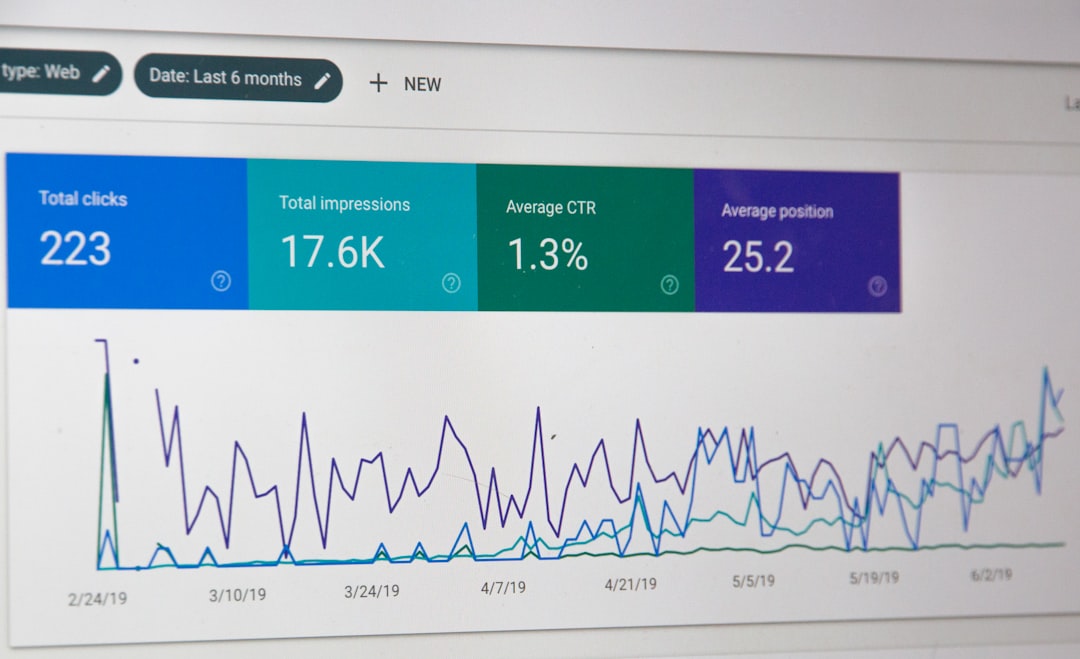
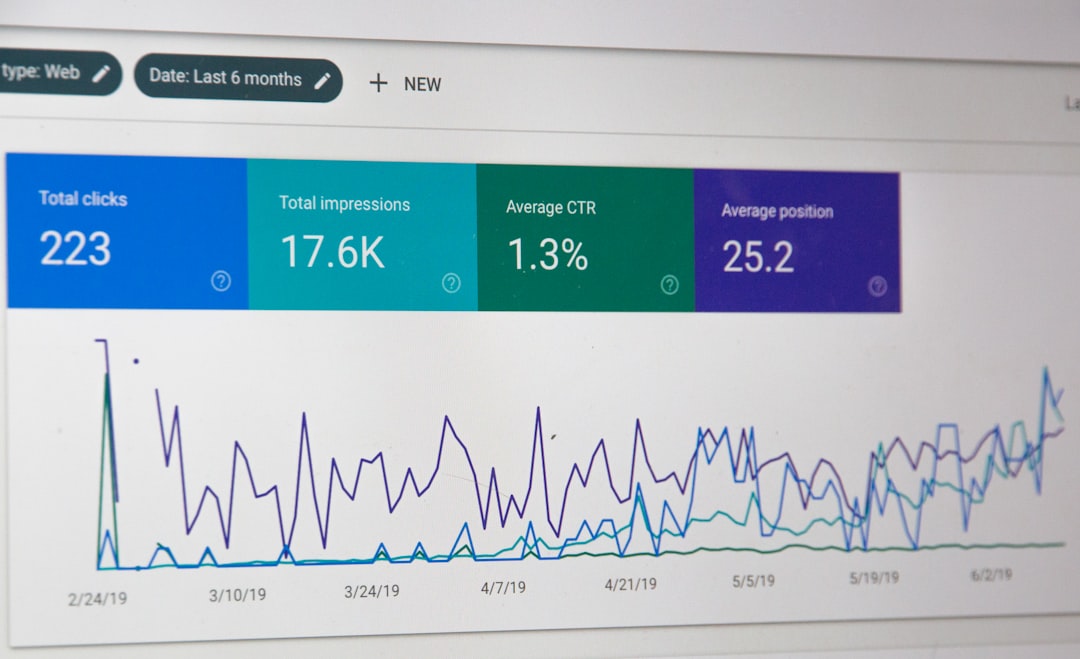
Before you publish your first post, verify your site in Google Search Console and submit your XML sitemap (most platforms like WordPress generate one automatically—typically yoursite.com/sitemap.xml). This tells Google you exist and starts the crawling process. Expect it to take several weeks before you see meaningful data in the console. Connect Search Console to Google Analytics 4 so you can match organic search queries to actual on-site behavior.
Google’s E-E-A-T framework (Experience, Expertise, Authoritativeness, Trustworthiness) increasingly shapes how content is evaluated. For a new site this means: add author bios with real credentials, cite sources, keep information up to date, and make it obvious who is behind the site. These signals matter more as AI-generated content floods search results in 2026.
Common Mistakes to Avoid
Targeting head terms too early is the most common new-site mistake. A query like ’email marketing’ has enormous competition—you will not rank for it in year one. Go long-tail and specific, earn your authority, then expand. A related mistake is publishing dozens of thin, 300-word posts instead of fewer, genuinely comprehensive ones. Depth beats breadth for new sites—one well-researched 1,500-word guide almost always outperforms ten shallow articles on the same subject.
Skipping internal links is another silent traffic killer. Every new post should link to at least one existing post and receive a link from at least one existing page. This spreads link equity through your site and helps Google discover and index your content faster. Finally, don’t ignore your publish date—content that goes stale quickly (tool comparisons, how-to guides with versioned steps) needs a refresh schedule built in from the start. Set a calendar reminder to review your top posts every six to twelve months and update anything that’s outdated.
Explore more: More growth strategies and marketing guides.
Content SEO strategy for new websites FAQs
How long does it take for a new website to rank on Google?
Most new sites see initial traction within three to six months for low-competition long-tail queries, but it commonly takes six to twelve months to rank consistently for more competitive terms. Google needs time to crawl your content, assess your authority, and trust your site—there’s no shortcut, but publishing consistent, high-quality content and building even a handful of backlinks speeds the process.
What’s the best free SEO tool for a brand-new website?
Google Search Console is the most essential free tool—it shows you what queries trigger your pages, which pages are indexed, and any technical issues Google encounters. Pair it with Google Trends to spot rising topics and Google Keyword Planner for search volume estimates (note its competition data is for ads, not organic ranking difficulty). For free keyword difficulty scores, Ubersuggest and Moz Keyword Explorer each offer a limited number of free queries. As your budget grows, paid tools like Semrush or Ahrefs unlock deeper competitor research and granular difficulty filtering.
How many blog posts do I need before SEO kicks in?
There’s no magic number, but a complete pillar page plus six to ten supporting cluster articles gives Google enough content to understand your topical focus and start ranking individual pieces. Quality matters far more than quantity—ten well-researched, intent-matched posts will outperform fifty thin ones. Consistency over time is what compounds: aim to publish one to two strong pieces per week rather than a burst followed by silence.
Turn Customers Into Your Growth Engine
Launch a referral program that turns happy customers into your best growth channel — with ReferralEarl. Try ReferralEarl.
Photo by Stephen Phillips – Hostreviews.co.uk on Unsplash.