If you’ve started shopping for a customer loyalty program, you’ve probably noticed the price quotes don’t agree with each other. One vendor says you can launch for free today, another quotes thousands per year, and a developer quote comes back in the tens of thousands. All three can be true at once — they’re describing different approaches.
This guide breaks down what actually drives loyalty program cost, what you should expect to pay at each tier (simple punch card, paid SaaS platform, custom build), and the hidden costs that catch small businesses off guard. By the end you’ll know which tier fits your business and what questions to ask before you sign a contract.

Quick Answer
Most small businesses land in one of three cost tiers: free to near-free for simple punch-card or spreadsheet-based programs, roughly a few hundred to a few thousand dollars a year for a paid loyalty app or SaaS platform (the most common choice for small e-commerce and retail), and tens of thousands of dollars for a custom-built loyalty app with its own development and maintenance costs. The right tier depends on your order volume, how automated you need rewards to be, and whether you’re running on an existing platform like Shopify or Square.
The Three Cost Tiers, Explained
Tier 1 — DIY and free tools. A physical punch card, a spreadsheet tracking repeat customers, or the free tier of a loyalty app can cost next to nothing beyond printing or your existing point-of-sale fees. This works for very small, single-location businesses where a staff member can manually track and redeem rewards. The tradeoff is no automation, no customer data, and no email or SMS follow-up.
Tier 2 — paid loyalty software. This is where most small and mid-size online and retail stores land. Loyalty apps (the kind you install on Shopify, WooCommerce, or similar platforms) typically price by monthly order volume or active member count, with plans commonly ranging from well under a hundred dollars a month on the low end to several hundred or more per month as your order volume grows. Factor in that your total first-year spend usually includes setup/onboarding time, any premium features (referrals, VIP tiers, points-for-reviews), and transaction or email-sending fees on top of the base subscription — so budget for your all-in annual cost, not just the sticker price of the cheapest plan.
Tier 3 — custom-built programs. Businesses with complex reward logic, multiple locations, or a need to integrate loyalty directly into a proprietary app usually hire a development team. First-year costs here commonly run into the tens of thousands of dollars once you include design, integrations, hosting, and ongoing maintenance — a realistic option mainly for larger or venture-funded businesses, not most small shops.
What Actually Drives the Price
Order or member volume: nearly every SaaS loyalty platform prices on a sliding scale tied to monthly orders or active loyalty members, so your cost grows as your business grows — ask for pricing at your projected volume six to twelve months out, not just today’s.
Feature tier: basic points-and-rewards functionality is usually the cheapest plan; VIP tiers, referral programs, birthday rewards, and advanced segmentation are typically gated behind higher-priced plans.
Integrations: connecting loyalty to your email platform, POS system, or SMS provider sometimes costs extra or requires a higher plan tier — confirm this before you commit.
Staff time: someone has to set up reward rules, design the redemption flow, and train employees to explain the program to customers. Budget real hours for this even on a ‘free’ plan.
Rewards themselves: the cost of the discounts, free products, or cashback you give out is separate from software cost and should be modeled against your margins before launch.
Tips / Common Mistakes
Don’t just compare the lowest advertised plan price across vendors — compare the plan tier you’ll actually need at your order volume, since ‘starting at’ prices are almost always the most limited tier.
Get the all-in annual number (subscription + setup + likely add-ons) before you sign, not just the monthly sticker price.
Resist the urge to launch with every feature turned on. Start with a simple points-per-purchase structure, measure repeat purchase behavior for a few months, then add VIP tiers or referrals once you know the basics are working.
Model the cost of the rewards themselves (discounts, free items) against your margins — software cost is often the smaller half of total program cost once customers start redeeming.
Explore more: More customer loyalty guides.
Loyalty program cost FAQs
Is a free loyalty program worth it for a small business?
Yes, for very small or single-location businesses it’s often the right starting point — it proves whether customers respond to rewards before you invest in paid software. The limitation is usually a cap on order volume or features, so plan to upgrade once you outgrow it.
What’s a typical monthly budget for loyalty software?
Most small e-commerce and retail businesses budget somewhere between tens and a few hundred dollars a month for a paid loyalty app, scaling up as order volume and feature needs grow. Get a quote at your actual order volume rather than relying on a vendor’s lowest advertised price.
Does a custom-built loyalty program make sense for a small business?
Usually not. Custom builds make sense once you have complex reward logic, multiple systems to integrate, or a dedicated development budget — for most small businesses, an existing SaaS loyalty platform covers the same core functionality at a fraction of the cost and time.
Are there hidden costs beyond the subscription fee?
Yes. Common ones include setup/onboarding time, fees for sending loyalty-related emails or SMS, charges for premium features like referrals or VIP tiers, staff training time, and the cost of the rewards customers actually redeem.
Turn Customers Into Your Growth Engine
Launch a referral program that turns happy customers into your best growth channel — with ReferralEarl. Try ReferralEarl.
Want this in your inbox? Subscribe to the free newsletter.
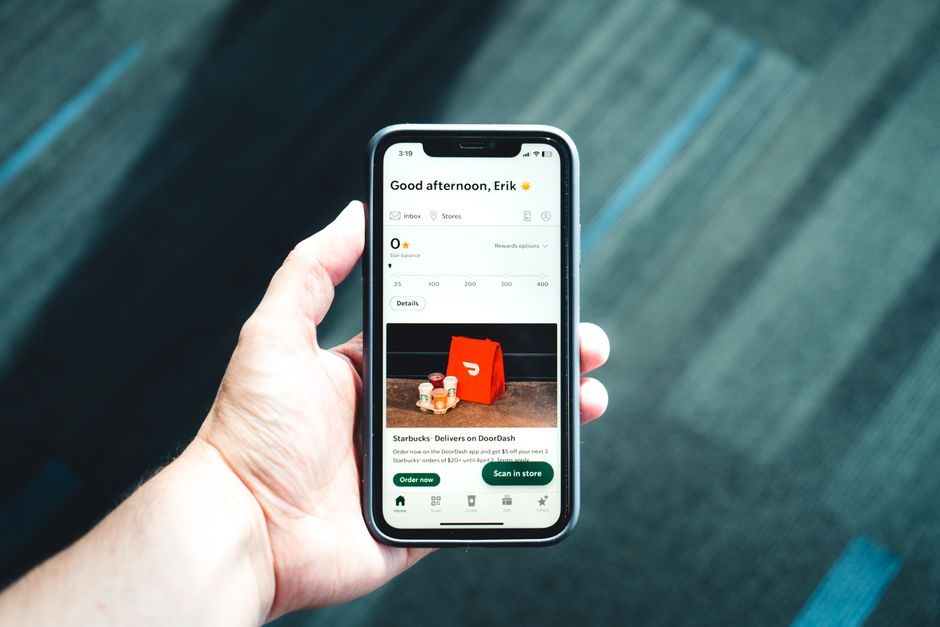
Photo by Erik Mclean on Pexels.