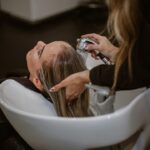
A new client who walks in because a friend raved about their facial or color appointment almost always trusts your business more than one who clicked a random ad. That built-in trust is why referral marketing works so well for salons and spas, yet most owners run it informally, if at all, and lose track of who referred whom.
This guide walks through how to set up a simple referral program from scratch: picking a reward structure, promoting it to clients who already love you, tracking referrals so nobody falls through the cracks, and avoiding the mistakes that make programs fizzle out.
Quick Answer
Referral marketing for a salon or spa means giving existing clients a simple, trackable reason and reward to send friends and family your way. The basics are: pick a reward both the referrer and the new client receive, give clients an easy way to share it (a card, link, or code), track it at checkout, and promote it consistently through booking confirmations, in-salon signage, and social media.
How to Set Up a Referral Program Step by Step
Start with the reward. A ‘double-sided’ reward, where the existing client and the new client both get something, tends to perform better than a one-sided offer because it feels fair to both parties and gives the new client a reason to actually book. Common structures include a percentage off the next service (commonly somewhere in the 10-25% range), a flat dollar credit toward a future appointment, or a free add-on like a deep conditioning treatment or paraffin dip. Keep the reward simple enough that a client can explain it to a friend in one sentence.
Next, decide how referrals get tracked. If you use salon or spa booking software (Fresha, Boulevard, Mindbody, Zenoti, GlossGenius, and Mangomint are common examples), check whether it has a built-in referral or ‘refer-a-friend’ feature that generates a unique code or link for each client and applies the reward automatically at checkout. If your software doesn’t support this, a simple referral card with the referring client’s name, or a dedicated discount code per client, works fine for a smaller business — just make sure front-desk staff are trained to ask new clients ‘who referred you?’ every time.
Then give clients a reason to remember the program exists. Mention it at checkout, print it on receipts or take-home cards, add a line to appointment-confirmation and follow-up texts or emails, and post about it on social media a few times a month. The clients most likely to refer are the ones who just had a great experience, so the best moment to mention the program is right after a service, not buried in a newsletter nobody reads.
Finally, set a review cadence. Once a month, check how many referrals came in, which clients are your best advocates, and whether the reward still feels worth it to people. Referral programs aren’t ‘set and forget’ — adjust the offer if participation is low, or simplify it if staff or clients find it confusing.
Choosing the Right Reward and Promotion Channels
Match the reward to your margins and your clientele. A high-end spa with pricier services can often afford a more generous single reward (like a free mini-service), while a high-volume salon may do better with a smaller, repeatable discount that clients can earn every time they refer someone, encouraging ongoing referrals rather than a one-time perk.
Use the channels your clients already pay attention to: in-room or at-the-chair conversation, a card handed over at checkout, a line in your booking confirmation or reminder text, your Instagram or Facebook page, and your email list if you have one. Treating a referral link as something clients can share directly (a ‘social sharing’ style program) is a lower-cost way to extend reach, since the client does the sharing for you instead of you running paid ads.
Tips and Common Mistakes
Don’t make clients guess how the program works — if front-desk staff can’t explain the reward in one sentence, it’s too complicated. Don’t forget to actually apply the reward; a client who refers a friend and never gets their discount won’t refer again, so tracking matters as much as the offer itself. Don’t rely only on word of mouth to spread the word about the program itself — actively promote it, since many happy clients simply forget to mention it unless prompted. And don’t ignore the legal basics: be transparent about the offer’s terms, don’t make referral or review requests that could be read as paying for fake reviews, and handle client contact information the same way you’d want your own handled.
Explore more: More referral marketing basics.
Referral marketing for salons and spas FAQs
What’s the best referral reward for a small salon or spa?
A double-sided reward — something for both the referrer and the new client — tends to work best. A percentage off the next service or a flat credit are the simplest to track and explain.
How do I track referrals without software?
Use a simple referral card with the referring client’s name on it, or assign each regular client a unique discount code. Train front-desk staff to ask every new client who referred them and log it.
How often should I promote my referral program?
Mention it right after a great appointment, include it in booking confirmations or follow-up messages, and post about it on social media a few times a month. The goal is for clients to remember it exists when they’re already talking about you.
Do referral programs work better than paid ads for salons and spas?
They’re not a replacement for all marketing, but referrals tend to bring in clients who already trust your business because a friend vouched for you, which often means less convincing needed to book and stick around.
Turn Customers Into Your Growth Engine
Launch a referral program that turns happy customers into your best growth channel — with ReferralEarl. Try ReferralEarl.
Want this in your inbox? Subscribe to the free newsletter.
Photo by Lindsay Cash on Unsplash.