A great meal naturally makes people want to talk. A well-built referral program turns that impulse into a repeatable growth engine — rewarding your best diners every time they bring someone new through the door. Unlike paid ads that disappear when the budget does, a referral program keeps working as long as your guests keep loving what you serve.
Below you’ll find the program structures that work best for restaurants, the tools that handle the heavy lifting, how to promote your program across every channel you already use, and the common mistakes that quietly kill participation before a program has a chance to prove itself.

Quick Answer
The most effective restaurant referral programs pair a bilateral reward — something for the referrer and something for the new guest — with a unique, shareable link or code that makes the hand-off frictionless. Set a minimum spend threshold on the new guest’s first visit to confirm genuine intent, then deliver the credit instantly so ambassadors feel the payoff immediately.
5 Referral Program Structures That Work for Restaurants
Bilateral (‘Give & Get’) rewards are the simplest and most widely used model: the referring diner and their friend each receive something on the new guest’s first qualifying visit — a credit, a free starter, or a percentage off. The symmetry matters because the referrer is offering their friend something valuable, not just recruiting for you. It lowers the social awkwardness of the ask.
Tiered referral incentives escalate rewards based on volume. A free appetizer for a first successful referral, a complimentary entrée for a third, and a chef’s table booking or tasting experience for a fifth. Tiers give your regulars a goal to chase and gradually convert occasional ambassadors into active ones. The experiential top tier creates stories worth sharing, which compounds the organic reach of each referral.
Points-based multipliers work well if you already run a loyalty program through a platform like Yotpo, SevenRooms, or Appfront. Award a large points bonus the moment a referred friend completes their first qualifying visit. The bonus gives ambassadors a meaningful push toward their next free item without requiring you to manage a separate reward track.
Experiential rewards — a kitchen tour, first access to a seasonal menu launch, a private dining slot, or a meet-the-chef evening — attract a different kind of ambassador than discount hunters. These guests share the experience on social media because it’s genuinely remarkable, which turns a single referral into organic content that reaches an audience far beyond the original friend.
Community and campus ambassador programs suit restaurants near colleges, office parks, or dense neighborhoods. Recruit a small cohort of dedicated regulars — students, remote workers, neighborhood fixtures — who each receive a personalized referral link, a monthly credit, and co-branded merchandise. Platforms like Appfront let you issue individual promo codes per ambassador so attribution is precise and you can identify and reward your top performers each month.
How to Promote Your Program and Get Diners Sharing
Make the program visible in the physical restaurant. QR codes on menus, table tents, and printed receipts that link directly to a sign-up or sharing page remove the step of customers having to search for it later. Brief your servers to mention the program — a genuine in-person prompt during the check drop consistently outperforms any digital pop-up.
Time your digital outreach carefully. An email or SMS sent within 24 hours of a visit — while the meal is still fresh — converts far better than a generic monthly newsletter. Platforms like SevenRooms and Owner.com connect to your POS, letting you trigger these messages automatically based on visit data: a first-time guest gets a welcome + referral invite, a regular who just hit a milestone gets a ‘you’ve earned this — share it’ prompt.
Social channels extend reach without additional spend. Create a branded hashtag and reward loyalty points or a bonus credit when guests post a tagged photo of their meal. User-generated content functions as a dual referral: the poster earns a reward and their followers see an authentic endorsement. Encourage shares at the moment when enthusiasm is highest — right after the meal, not a week later.
Purpose-built software removes the manual work from tracking and distribution. SevenRooms auto-generates personal referral links, attributes new reservations to specific advocates, and pushes rewards without staff involvement. Yotpo and Referral Rock suit restaurant groups or brands with a strong online ordering or e-commerce side. Owner.com — recognized on G2 in early 2026 — bundles referral, loyalty, and your website into a single platform aimed at independent operators. Check each platform’s current pricing and POS integrations before committing, since plans and supported systems change.

Common Mistakes and How to Avoid Them
Keep the offer simple enough to explain in one sentence. ‘You and a friend each get $10 off your next visit when they dine with us’ is clear. ‘Earn a reward after two qualifying visits during non-peak hours with a minimum order’ is not. Complexity kills participation even when the underlying reward is generous.
Deliver rewards immediately — or as close to it as possible. Instant digital credits or loyalty points pushed the moment a referral is confirmed perform dramatically better than vouchers mailed later or credits that unlock ‘in 5–7 business days.’ Most referral platforms handle instant delivery natively; configure it from the start rather than treating it as an optional upgrade.
Build fraud controls in at launch, not after you find abuse. Require a minimum spend threshold on the new guest’s first visit to filter out fake accounts. Cross-check new sign-ups against your existing CRM to verify they are genuinely new customers. Set a reasonable time window between referral submission and credit activation — 24 to 48 hours is usually enough to allow review. Most platforms include these controls; enable them on day one.
Measure the metrics that actually tell you if the program is working: new guest acquisition through the referral channel, the lifetime value of referred customers compared to other acquisition sources, and reward redemption rates. Low redemption usually means the reward is not compelling enough. Low participation with healthy redemption points to a promotion problem — the offer is good, but not enough people know about it.
Explore more: Referral Marketing strategies and guides.
Restaurant Referral Programs FAQs
What rewards work best in a restaurant referral program?
Bilateral rewards — where both the existing guest and their friend receive something — consistently outperform single-sided incentives. Free menu items like appetizers, desserts, or drinks carry strong perceived value and give ambassadors something specific to pitch. Experiential rewards (chef’s table access, priority reservations, exclusive event invites) are especially effective for full-service or upscale restaurants where the experience is the selling point. Avoid over-indexing on straight-percentage discounts, which can cheapen your brand positioning.
What software should a restaurant use to run a referral program?
SevenRooms is a strong pick for full-service restaurants because it ties referral tracking directly to reservations and guest CRM data. Appfront suits restaurants that have a branded mobile app, offering item-based, money-based, and points-based referral options out of the box. Owner.com bundles referral, loyalty, and online ordering in one platform aimed at independent operators. Yotpo and Referral Rock work well for restaurant groups or brands with significant online ordering volume. Always verify current pricing and which POS systems each platform integrates with before choosing.
How do I prevent gaming or fraud in my restaurant referral program?
Set a minimum spend requirement on the referred guest’s first qualifying visit, cross-reference new sign-ups against your existing customer database to confirm they are genuinely new, and add a short activation delay — typically 24 to 48 hours — before the credit unlocks. Most referral platforms include IP monitoring and duplicate-account detection; enable these from day one. Audit your referral reports monthly during the first quarter to catch unusual patterns early, when they are far easier to correct than after they have scaled.
Turn Customers Into Your Growth Engine
Launch a referral program that turns happy customers into your best growth channel — with ReferralEarl. Try ReferralEarl.
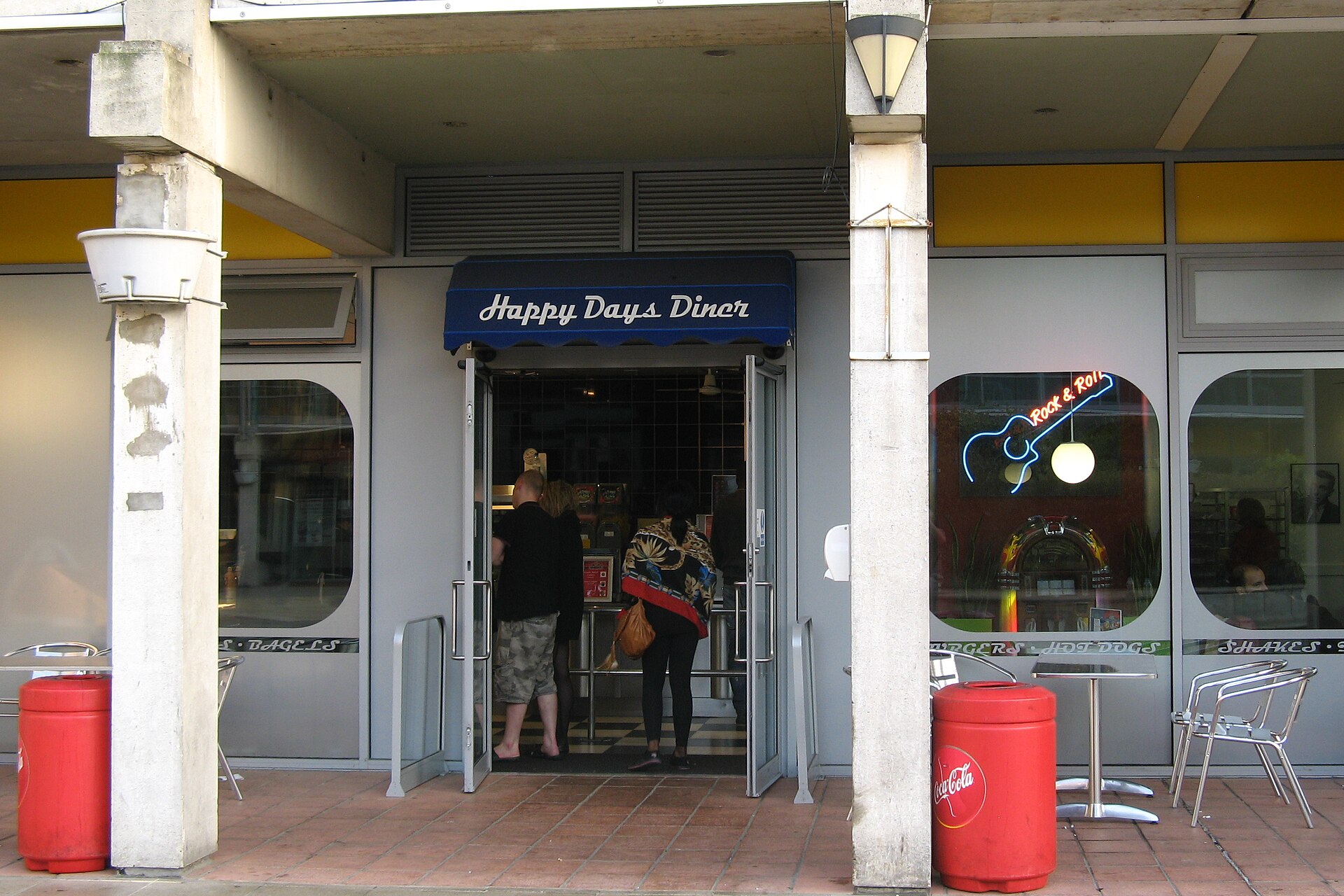
Photo: Rwendland / CC BY-SA 3.0, via Wikimedia Commons.