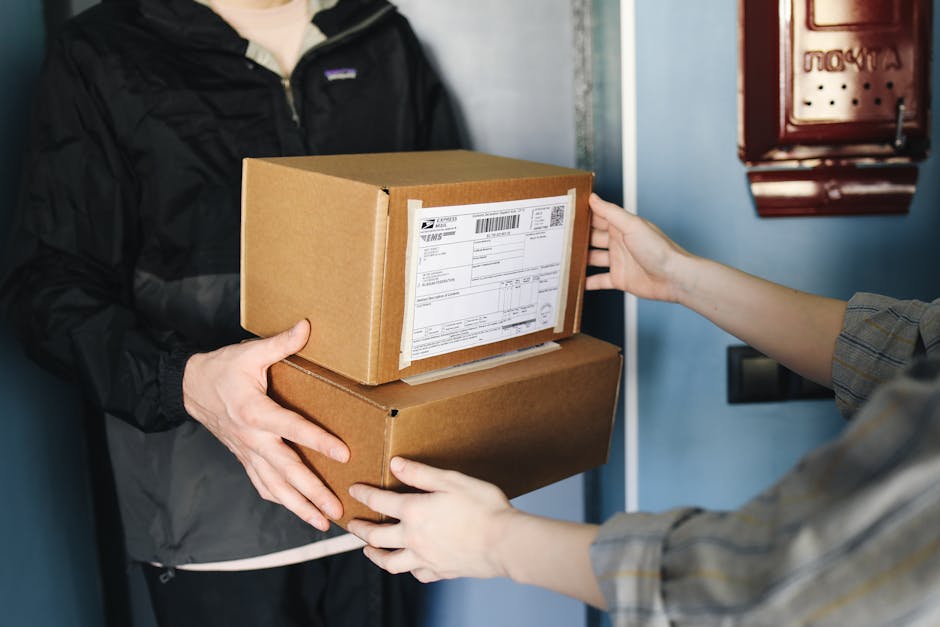
Every e-commerce founder eventually hits the same wall: paid acquisition costs are climbing, attribution is breaking, and the marketing channels that worked in 2022 cost 2-3x more in 2026. A well-designed e-commerce referral program is one of the few growth levers that gets cheaper as it scales, because each referred customer becomes the source of their own future referrals. Programs that lock in by year two often drive 20-35% of total new customer acquisition.
Why E-commerce Has the Cleanest Referral Math
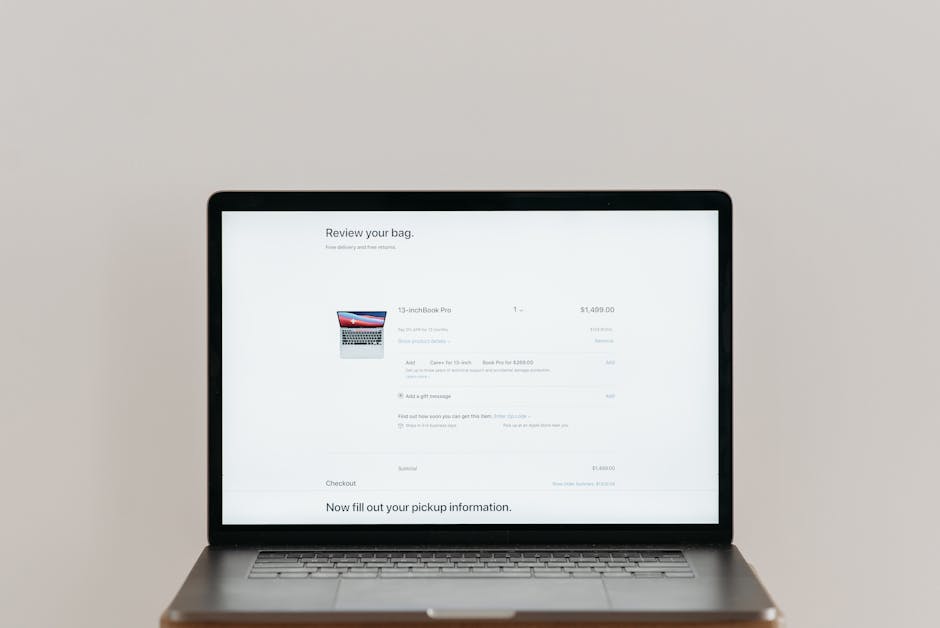
Direct-to-consumer brands have the most measurable referral funnel of any category. You know exactly when a referrer placed their last order, exactly what the referee bought, and exactly how the AOV and repeat rate of referred customers compares to the rest of your base. According to Statista’s e-commerce research, referred customers across DTC verticals show 18-25% higher first-order AOV and 2-3x higher repeat purchase rate than paid-acquired customers.
That LTV gap is your budget for rewards. Even a $20 double-sided reward on a $75 AOV product nets out positive within 90 days for most brands.
Reward Structures That Drive Larger Carts
Discount-based rewards are the easiest to deploy but the worst for AOV. Switch to dollar-amount rewards with minimum order thresholds: “$25 off your next order of $75+” forces the cart up, while “20% off” lets the customer extract value at any cart size. Brands that switch from percent to dollar-with-threshold typically see 12-20% AOV lift on referred orders.
For repeat-purchase products (consumables, subscriptions, replenishment), store credit outperforms cash because it locks in the next purchase. For broader incentive structures, see our referral program incentive ideas guide.
Post-Purchase Email and SMS Sequences
Don’t bury your referral CTA on a settings page. The highest-converting moment is the post-purchase delivery email, sent the day the package arrives. Open rates on delivery confirmations run 50-70% — orders of magnitude higher than promotional sends — and the customer is in a peak satisfaction window.
Layer in SMS for review-and-refer combos 14 days post-delivery. Shopify’s research on post-purchase marketing shows that combined email + SMS post-delivery sequences generate 4-7x the referral volume of email-only programs.
Embedded Widgets and Hosted Landing Pages
Your referral program needs to live in three places: the post-purchase order confirmation page (a banner widget is fine), the customer account dashboard (front and center), and a dedicated landing page (for organic and paid traffic to the program itself). The dedicated page should rank for “[brand name] referral” — capture branded search demand from people Googling whether you have a program.
Build the share flow to support email, SMS, WhatsApp, Facebook, and direct copy-link. Each channel converts differently and your referrers will self-select.
Segmenting Top Referrers Into VIP Tiers
The Pareto distribution is brutal in referrals — typically 5-10% of customers generate 50-70% of referral volume. Build a VIP tier for these top referrers: early access to new products, founder thank-you notes, custom landing pages with their photo, and escalating commission rates. This converts your top 1% into a permanent ambassador layer that amplifies every product launch.
Frequently Asked Questions
What’s a typical conversion rate for e-commerce referral landing pages?
Well-built referral landing pages convert 8-15% of visitors into orders, much higher than the 2-3% of cold paid traffic.
Should I use percentage discounts or dollar-amount rewards?
Dollar amounts with minimum order thresholds nearly always win on AOV and total revenue impact. Percentage discounts are simpler but leave money on the table.
How do I handle referrals on Shopify without a third-party app?
You can build a basic program with discount codes and customer tags, but for tracking and automation, Smile, Friendbuy, Yotpo, or Refersion pay for themselves quickly above $50K monthly revenue.
When should I send the referral ask after purchase?
Send the first prompt at delivery confirmation (peak satisfaction), then a follow-up 14 days later combined with a review request.
How do I prevent referral discount stacking with other promos?
Set discount codes as non-stackable in your storefront platform, and exclude referral discounts from sale items if margin requires.











1 thought on “9 Essential E-commerce Referral Program Tactics That Lift AOV”