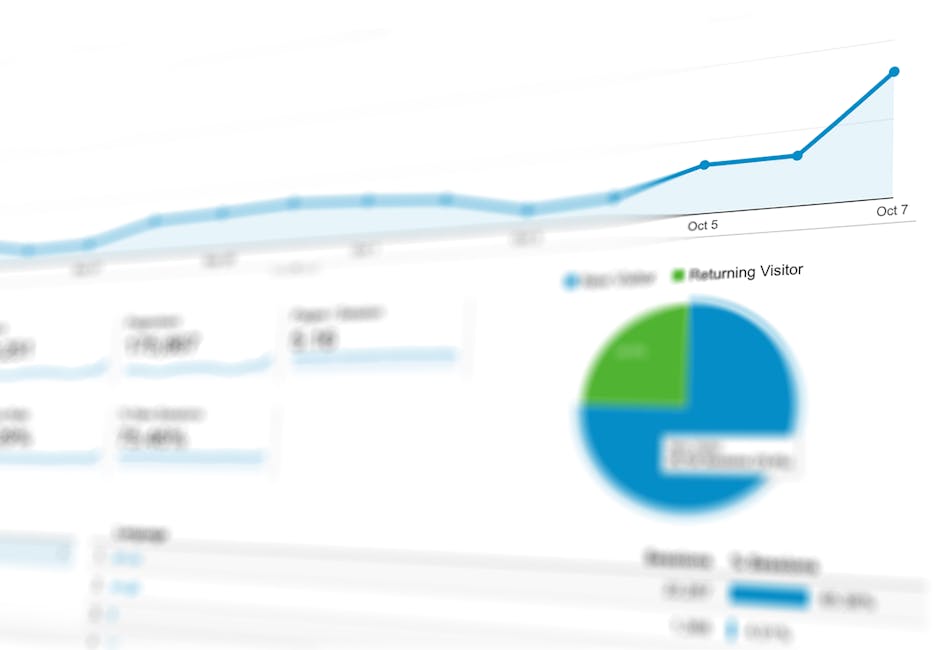
Attribution is the single biggest blind spot in most referral programs. Server-side referral tracking combined with disciplined UTM hygiene is the only way to know what’s actually driving conversions versus what’s getting last-click credit. As iOS, Safari, and ad-blockers continue gutting client-side analytics, teams that haven’t moved tracking server-side are flying with broken instruments.
Why Client-Side Tracking Is No Longer Enough

Apple’s Intelligent Tracking Prevention, Safari’s third-party cookie blocking, and the rise of ad-blockers have made client-side tracking unreliable for the majority of consumer traffic. Gartner’s research on the post-cookie era estimates that 30-50% of conversion events are now lost or misattributed when relying on cookies and pixels alone.
For referral programs specifically, this means your reported numbers are systematically undercounting cross-device referrals (refer on phone, convert on desktop) and overcounting branded direct traffic that was actually referral-driven. Server-side tracking fixes both.
The UTM Discipline That Survives Audit
Build a UTM convention and enforce it across every referral channel. The minimum schema: utm_source (channel like email, sms, instagram), utm_medium (always “referral” for these), utm_campaign (program name like “summer-2026”), utm_content (referrer ID), and utm_term (optional segment). Document this in a shared spreadsheet and gate URL creation through a builder tool to prevent free-form chaos.
The single biggest failure mode is letting different teams use different conventions over time. MarTech’s UTM best practices reinforce that consistency matters more than perfection — pick a convention and stick to it for years.
Implementing Server-Side Tracking

Most modern teams use Google Tag Manager Server Side, Segment, or RudderStack as the server-side layer. The pattern: client fires a minimal pixel with referral context → server enriches with first-party data → server forwards to analytics, ads, and warehouse destinations. This bypasses ad-blockers, ITP, and cookie restrictions while keeping the data clean.
For referral platforms specifically, integrate with the platform’s webhook API to push conversion events server-side rather than relying on client-side pixels. Friendbuy, Mention Me, and Extole all support this. For more on which platforms handle this well, see our best referral program software roundup.
Multi-Touch Attribution for Referrals
Last-click attribution massively undervalues referrals because the referral often happens days before the conversion, and the actual conversion event is attributed to direct, organic, or branded paid. Move to a multi-touch model — even a simple “first non-direct touch” rule recovers 30-60% of underreported referral credit.
Better: build a Markov chain or Shapley value attribution model in your warehouse using event-level data. This is where server-side tracking pays off — you have the raw events to do real attribution math, not just last-click.
Auditing and Validating Your Setup
Run a monthly tracking audit. Pick 10 random conversions from the last 30 days and trace them back through your event stream. Verify the referral source captured, UTMs preserved, and the conversion attributed correctly in both your analytics and your referral platform. If the audit fails, you have a tracking bug — fix it before it skews your reward payouts and channel reporting.
Frequently Asked Questions
What’s the difference between client-side and server-side tracking?
Client-side fires pixels from the user’s browser (vulnerable to ad-blockers and ITP). Server-side fires events from your server after the conversion is confirmed (much more reliable).
Do I need both UTMs and server-side tracking?
Yes. UTMs identify the source at click time, server-side tracking confirms the conversion downstream. They work together to give you reliable attribution.
What’s the easiest server-side tracking tool to start with?
Google Tag Manager Server Side is the lowest barrier if you already use GTM. Segment and RudderStack are more powerful but require more engineering investment.
Should I trust my referral platform’s reported numbers?
Validate them against your warehouse data monthly. Most platforms over-count slightly because they include events that don’t ultimately convert to revenue.
How often should I audit my tracking setup?
Monthly random-sample audits, plus a full audit any time you launch a major feature, change platforms, or see unexplained metric shifts.












1 thought on “7 Proven UTM and Server-Side Referral Tracking Setups”