The bigger your referral program gets, the more attractive it becomes to bad actors. Referral fraud prevention isn’t a paranoid afterthought — it’s a core operational discipline that protects your unit economics from death by a thousand fake accounts. Programs that scale past $100K in monthly rewards without fraud controls routinely lose 15-30% of payouts to gaming, self-referrals, and coordinated abuse rings.
How Fraud Actually Works in Referral Programs
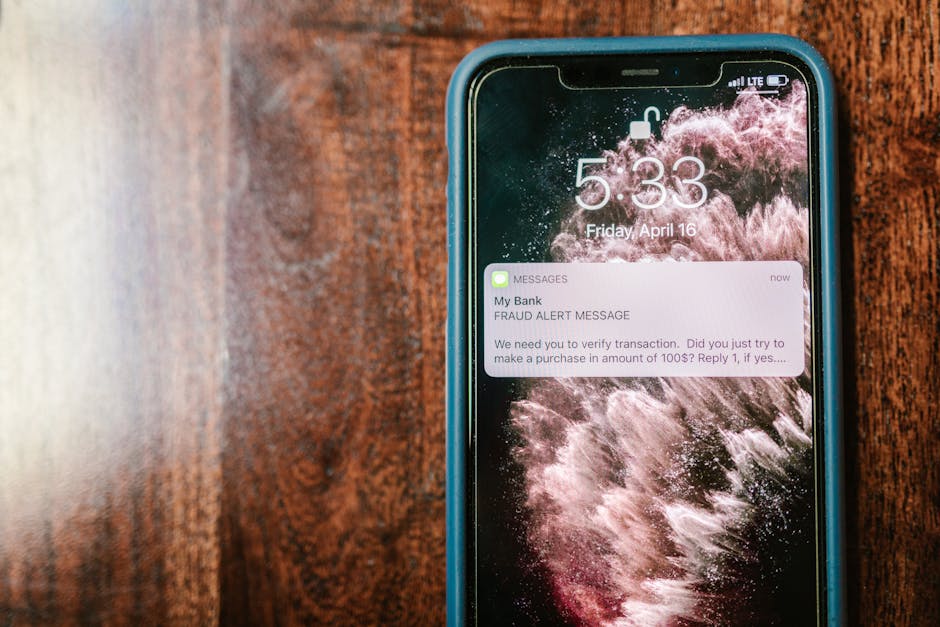
Most fraud falls into four buckets: self-referral (one person creates fake accounts to refer themselves), incentive farming (legitimate users gaming the system across throwaway emails), coupon stacking (combining referral discounts with other promos to extract value), and organized abuse rings that buy and sell referral codes on Telegram and Discord.
According to Forrester’s research on promotional fraud, the average mature consumer referral program loses 12-18% of payouts to fraud when no controls are in place. For high-payout programs (think $50+ per referral), that number can hit 40%.
Device, Payment, and IP Fingerprinting
Your first line of defense is technical fingerprinting. Capture and dedupe on device ID, browser fingerprint, payment method, billing zip, and IP address. Block referrals where the referrer and referee match on two or more of these dimensions. Most modern referral platforms (Friendbuy, Mention Me, Extole) have this built in, but you should still validate the rules match your risk tolerance.
For programs you’ve built in-house, integrate a fraud signals provider like Sift, Kount, or SEON. The marginal cost is pennies per check and the savings on fraudulent payouts pay it back in weeks. For more on choosing the right tooling, see our best referral program software roundup.
Reward Holds and Engagement Gates

Don’t pay out the referrer the moment the new customer signs up. Hold the reward for 14-30 days and only release it after the new customer has demonstrated genuine engagement: a second purchase, a usage milestone, or simply staying active past the trial period. This single change typically cuts fraud by 60-80% because it removes the immediate-payout incentive that fraudsters need.
Pair this with daily, weekly, and lifetime caps per referrer. A legitimate power user might generate 20 referrals a year. Anyone hitting that in a week is gaming you. Gartner’s anti-fraud research recommends rolling caps as the cheapest, most effective control.
Manual Review Triggers and Anomaly Detection
Set up automated triggers that flag referrals for human review: 5+ referrals from the same source in 24 hours, referrer and referee with similar email patterns (john1@gmail, john2@gmail), payments from the same card, or bursts of referrals from a new account. A part-time analyst reviewing 50-100 flagged referrals per week typically catches 90%+ of organized fraud.
Build a simple disposition workflow: approve, deny, or escalate. Track false positive rate so you don’t accidentally kill legitimate power users — your top advocates are statistically anomalous and your fraud rules will sometimes catch them.
Communicating Anti-Fraud Without Killing Trust
The mistake here is making your terms feel hostile. Write your referral terms in plain English, explain the engagement gate (“rewards unlock after your friend’s second purchase”), and respond fast when legitimate users get caught in fraud nets. A clear, friendly support process turns false-positive incidents into trust-building moments instead of churn events.
Frequently Asked Questions
What percentage of referral payouts are typically fraudulent?
Without controls, 12-30% of payouts can be lost to fraud in consumer programs. With proper controls, that drops to 1-3%.
What’s the single most effective fraud control?
Reward holds tied to engagement gates. Releasing rewards only after the referee completes a meaningful action (second purchase, 30-day retention) eliminates most fraud incentive.
Do I need a third-party fraud tool?
For programs paying out under $20K per month, your platform’s built-in controls are usually enough. Above that, a dedicated fraud signals provider pays for itself quickly.
How do I prevent organized fraud rings on Telegram and Discord?
Monitor for sudden geographic clusters, deduplicate aggressively on device and payment, and use velocity caps. Some teams also seed honey-pot codes to identify and ban active rings.
Will fraud controls hurt my conversion rate?
Properly tuned controls cost less than 1% in legitimate referral conversions. Over-tuned controls can cost 5%+, so monitor false positive rates monthly.