
Tracking the right referral marketing metrics is the difference between a program that grows and a program that stalls. Most businesses Launch a referral program, check it once, and never look at the data again. Then they wonder why results plateau. The truth is that referral programs are optimization machines — every metric tells you where to improve.
This guide covers 10 referral marketing metrics that every marketer should track, why each one matters, and what benchmarks to aim for.
Why Referral Marketing Metrics Matter
You cannot improve what you do not measure. A referral program has multiple moving parts: awareness, sharing, clicking, converting, and rewarding. A breakdown at any stage kills performance. The right referral marketing metrics illuminate exactly where the bottleneck sits so you can fix it.
According to Extole, companies that actively optimize their referral programs based on data see 3 to 5 times more referral revenue than those that set and forget. If you have already launched a program using our guide on how to start a referral program, these metrics are your roadmap for growth.
Metric 1: Participation Rate
What it is: The percentage of eligible customers who actively participate in your referral program by sharing at least one referral.
Why it matters: If nobody is sharing, nothing else matters. Low participation means customers either do not know about the program, do not understand it, or do not find the incentive compelling enough.
Benchmark: A healthy participation rate is 5 to 15% of your active customer base. If you are below 5%, focus on promotion and incentive design before worrying about other referral marketing metrics.
Metric 2: Share Rate
What it is: The average number of shares per participating customer.
Why it matters: Participation rate tells you how many people enter the program. Share rate tells you how actively they promote. A high share rate means your messaging and sharing tools are working well.
How to improve: Make sharing frictionless with one-click buttons, pre-written messages, and multiple sharing channels (email, social media, text, direct link). The best referral program examples prioritize effortless sharing.
Metric 3: Referral Conversion Rate
What it is: The percentage of referred visitors who complete the desired action (purchase, sign-up, or trial start).
Why it matters: This is the most critical of all referral marketing metrics. High shares with low conversions mean the offer or landing page is not compelling enough for the referred friend.
Benchmark: Referral conversion rates typically range from 3 to 10%, significantly higher than paid advertising which averages 1 to 3%. If you are below 3%, optimize your referral landing page and the friend’s incentive.
Metric 4: Referral Revenue
What it is: Total revenue generated from referred customers over a given period.
Why it matters: Revenue is the ultimate measure of program success. Track this as both an absolute number and as a percentage of total revenue. As your program matures, referral revenue should represent an increasing share.
How to track: Use your referral program software to attribute revenue to specific referral sources. Most platforms provide this automatically.
Metric 5: Customer Acquisition Cost (CAC) from Referrals
What it is: The total cost of running your referral program (software, rewards, promotion) divided by the number of new customers acquired through referrals.
Why it matters: Referral CAC should be significantly lower than your paid acquisition channels. According to Invesp, referred customers cost 54% less to acquire than customers from other channels.
Benchmark: Compare your referral CAC against your paid search, social, and content marketing CAC. If referral CAC is not at least 30% lower, your reward structure may be too generous or your conversion rate too low.
Metric 6: Customer Lifetime Value (LTV) of Referred Customers
What it is: The total revenue a referred customer generates over their entire relationship with your business.
Why it matters: Referred customers are not just cheaper to acquire — they are worth more over time. Wharton research found that referred customers have a 16% higher lifetime value than non-referred customers. Tracking this referral marketing metric validates the long-term ROI of your program.
How to track: Compare the average LTV of referred customers versus non-referred customers. Segment by referral source if possible.
Metric 7: Time to Conversion
What it is: The average time between a referral click and the resulting conversion.
Why it matters: Shorter conversion times indicate high trust and intent. If referred leads are taking weeks to convert, the referral experience or offer may need improvement. In B2B, longer conversion times are expected, but tracking the trend over time is still valuable.

If you run a B2B referral program, benchmark time to conversion against your standard sales cycle. Referrals should close faster.
Metric 8: Reward Redemption Rate
What it is: The percentage of earned rewards that are actually claimed by referrers.
Why it matters: Low redemption rates suggest that rewards are not motivating enough or that the redemption process is too complicated. High unredeemed rewards might look good for your budget in the short term, but they signal disengagement that will hurt long-term participation.
Benchmark: Aim for 70% or higher redemption. Below 50% indicates a problem with reward value or redemption friction.
Metric 9: Viral Coefficient
What it is: The average number of new customers each existing customer generates through referrals.
Why it matters: A viral coefficient above 1.0 means your program is self-sustaining — each new customer generates at least one additional customer. While most programs operate below 1.0, even a coefficient of 0.3 to 0.5 means your referral program is meaningfully amplifying your other acquisition efforts.
How to calculate: Multiply your participation rate by your share rate by your conversion rate. For example: 10% participation x 3 shares x 5% conversion = 0.015 viral coefficient per customer.
Metric 10: Referral Program ROI
What it is: (Referral Revenue minus Program Costs) divided by Program Costs, expressed as a percentage.
Why it matters: This is the bottom-line referral marketing metric that justifies your program’s existence to stakeholders. It combines all other metrics into a single number that answers: “Is this program worth running?”
Benchmark: According to Referral SaaSquatch, well-optimized referral programs generate 300 to 500% ROI. If your ROI is below 100%, revisit your cost structure and conversion rates.
Building Your Referral Metrics Dashboard
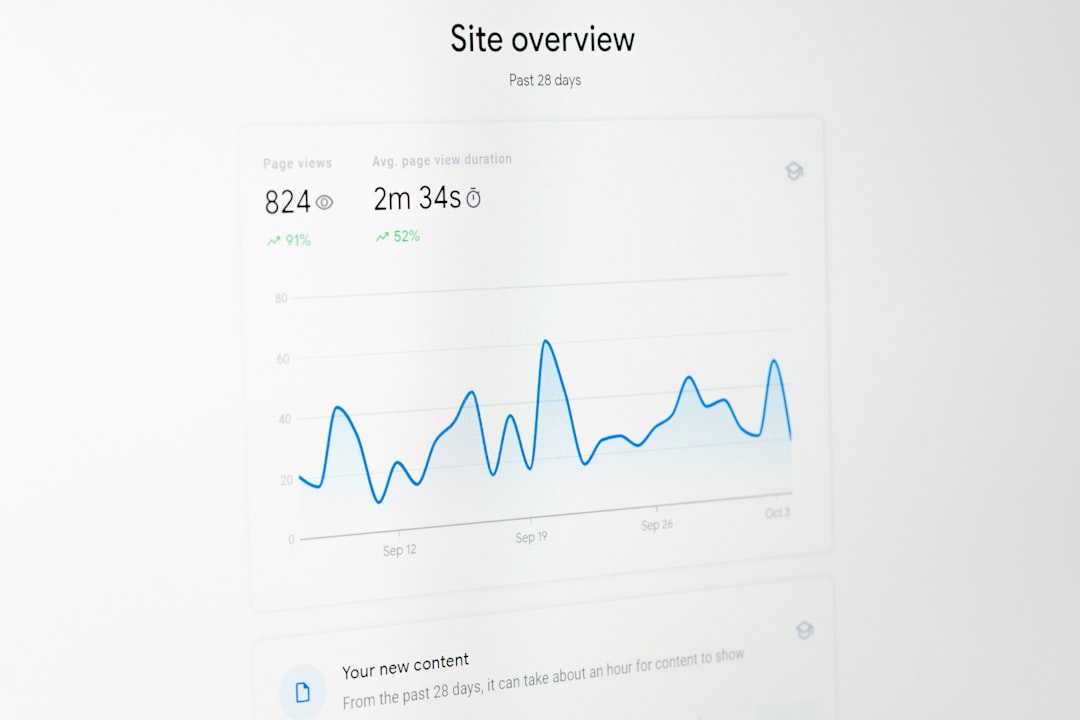
Do not try to optimize all 10 referral marketing metrics at once. Build a dashboard that gives you a weekly view of the top-level metrics (participation rate, conversion rate, revenue, and ROI) and a monthly deep dive into the supporting metrics.
Start by identifying your biggest bottleneck:
- Low awareness? Focus on participation rate and promotion.
- People share but nobody converts? Fix your referral landing page and friend incentive.
- Good conversions but low volume? Increase share rate through better tools and messaging.
- Revenue is there but ROI is thin? Adjust your reward structure.
Turning Data into Action
The power of referral marketing metrics lies not in the numbers themselves but in the actions they drive. Review your metrics monthly, run experiments based on what you find, and track whether changes move the needle.
The most successful referral programs iterate constantly. They test different referral email templates, experiment with reward amounts, optimize landing pages, and refine promotion timing, all guided by the metrics outlined here.
Track diligently, act decisively, and your referral program will become one of your most reliable and efficient growth channels.
Frequently Asked Questions
What is the single most important referral marketing metric to track?
Referral conversion rate. If referred visitors are not converting, nothing else matters. High shares with low conversions mean you are wasting your referrers’ social capital. Fix conversion first, then focus on increasing volume.
How often should I review my referral marketing metrics?
Review top-level metrics like participation rate, conversion rate, and revenue weekly. Conduct deeper analysis of supporting metrics like LTV, CAC, and viral coefficient monthly or quarterly. Run optimization experiments based on monthly reviews.
What tools do I need to track these metrics?
Most referral program software platforms include built-in analytics dashboards that cover participation, shares, conversions, and revenue. For deeper analysis like LTV comparison and CAC calculation, integrate your referral data with Google Analytics or your CRM.
Is a low participation rate always a problem?
Not necessarily. A small number of highly active referrers can outperform a large number of passive participants. Look at participation rate alongside share rate and conversion rate. If your active referrers are driving strong results, focus on finding more customers like them rather than trying to activate everyone.












2 thoughts on “10 Essential Referral Marketing Metrics and KPIs You Should Track”