The best referral programs feel less like marketing campaigns and more like games. Referral program gamification taps into the same psychological mechanics that make Duolingo, Strava, and mobile games sticky — progress bars, streaks, badges, leaderboards, and unlock mechanics. When applied to referrals, these mechanics drive 2-4x the participation of flat reward programs.
Why Gamification Works on Referral Behavior
Referral behavior is voluntary, social, and high-effort relative to most marketing actions. Gamification wraps that high-effort action in feedback loops that satisfy intrinsic motivations: competence (visible progress), autonomy (choice in how to engage), and relatedness (social comparison and recognition).
According to Gartner’s behavioral marketing research, gamified loyalty and referral programs see 30-60% higher participation rates than equivalent flat-reward programs across consumer categories. The lift compounds over time as users build streaks and ladder up tiers.
Progress Bars and Visible Goal Mechanics
The single most effective gamification mechanic is the visible progress bar toward a meaningful goal. “You’re 2 referrals away from your $100 reward” converts 2-3x better than “Refer friends and earn $50 per referral.” The math is the same; the framing is different.
The “endowed progress effect” — the well-documented behavioral pattern where people work harder to complete progress they’ve already started — is the underlying mechanism. Pre-fill some progress when users join the program (e.g., “Welcome — you’re 1 of 5 referrals to your first reward”). For broader loyalty mechanics, see our customer loyalty program guide.
Streaks and Cadence Pressure
Streaks create cadence pressure that drives sustained engagement. “Refer one friend per month for 6 months and unlock VIP status” converts users into recurring sharers rather than one-time referrers. Apps like Duolingo built billion-dollar businesses on this single mechanic.
HBR’s research on streak mechanics shows that users with active streaks engage 5-10x more than equivalent users without streaks, even when the underlying reward is identical. Apply this to referrals and you turn one-off advocates into compounding ambassadors.
Leaderboards and Social Status
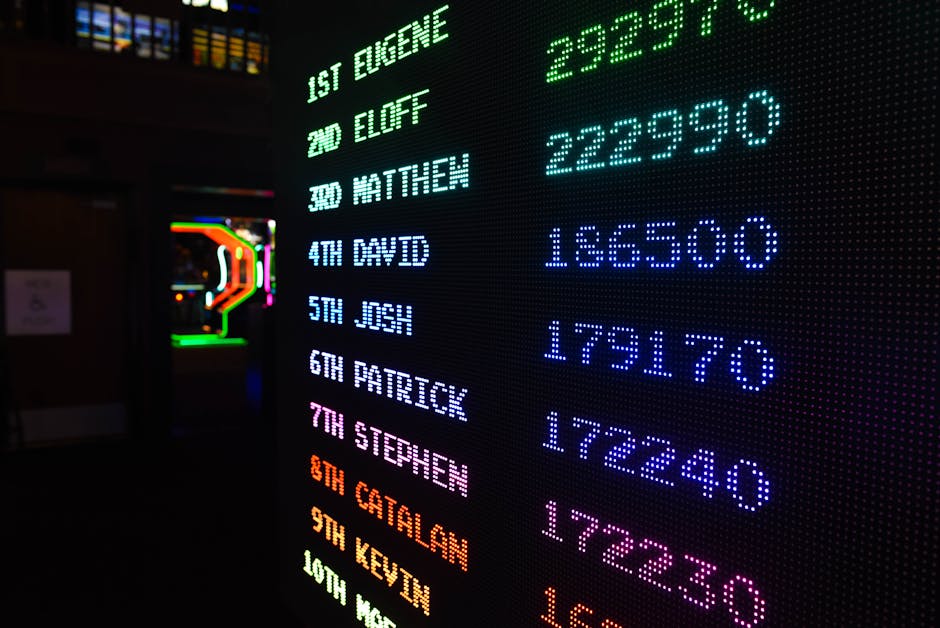
Public or semi-public leaderboards leverage social comparison and status motivation. Top-referrer leaderboards work especially well in B2B contexts (sales communities, partner programs) and in tight-knit consumer communities (fitness, hobby brands).
Be careful with leaderboard design — pure all-time leaderboards favor early adopters and demotivate everyone else. Use rolling 30-day windows, segment by user tenure, or create category-specific leaderboards (most referrals this week, biggest single referral, fastest first referral). Multiple ladders give more users a chance to feel they’re winning.
Badge and Achievement Systems
Badges are cheap to create, infinitely flexible, and surprisingly motivating. Build a badge for first referral, 5 referrals, 10 referrals, first viral referral (referee who themselves referred), referrer of a top customer, and so on. Display badges prominently on user profiles and in social shares.
The pitfall: badges only work if they feel earned. Don’t dilute by giving out badges for low-effort actions like opening the email or visiting the program page. Reserve badges for actual referral achievements that the user worked for.
Frequently Asked Questions
Do gamification mechanics work for B2B referral programs?
Yes, especially leaderboards and tier mechanics. B2B audiences respond strongly to status and competition; gamification just needs to be framed professionally rather than playfully.
How many gamification mechanics should I stack?
Start with progress bars and tiers, then layer in streaks and badges over time. Stacking too many at once creates confusion. Most successful programs have 3-5 active mechanics.
Will leaderboards demotivate users who can’t reach the top?
They can if poorly designed. Use rolling-window leaderboards, segmented categories, and personal-best tracking alongside competitive leaderboards to keep mid-tier users engaged.
What’s the highest-impact gamification element to add first?
Visible progress bars toward meaningful rewards. They’re cheap to build, have decades of behavioral research behind them, and consistently deliver 30-60% participation lift.
How do I know if my gamification is working?
Track participation rate (% of eligible users actively engaging), referral velocity per user, and retention of referrers (do they refer multiple times?). All three should rise after gamification launch.